

A group of housing and smart-growth organizations wants to make it easier for Ohio builders to get city approval for “missing middle” housing, creating reusable plans for duplexes, triplexes and small apartment buildings that cities can review in advance.
Smart Growth America, the Housing Multiplier Project and the Greater Ohio Policy Center are leading the effort, which will focus first on Columbus, Cleveland and Cincinnati. The project builds on “Housing Ohio: Tools for Development,” a 2025 toolkit created by the Greater Ohio Policy Center and Ohio REALTORS, with underwriting from Ohio REALTORS. That earlier effort offered local governments voluntary zoning guidance, free infill housing plans and a guide for creating pre-approved plan programs.
Missing-middle housing refers to house-scale buildings with multiple homes, such as duplexes, triplexes, fourplexes, cottage courts, townhouses and small multiplexes. The term was coined by architect Daniel Parolek of Opticos Design in 2010 to describe housing that fits between detached single-family homes and large apartment buildings.
Advocates say those housing types were once common in older neighborhoods but have become difficult to build in many places because of zoning rules, design costs and permitting uncertainty. The Ohio project would move part of the approval work to the front end: cities vet the standard designs once, and builders who use them can move through permitting with fewer unknowns. Site-specific approvals and local zoning rules would still apply.
Smart Growth America, the Housing Multiplier Project and the Greater Ohio Policy Center have issued an RFP for an architect or design team to create the plans. The RFP sets a maximum design budget of $275,000, to be paid on a time-and-materials basis through monthly billings.
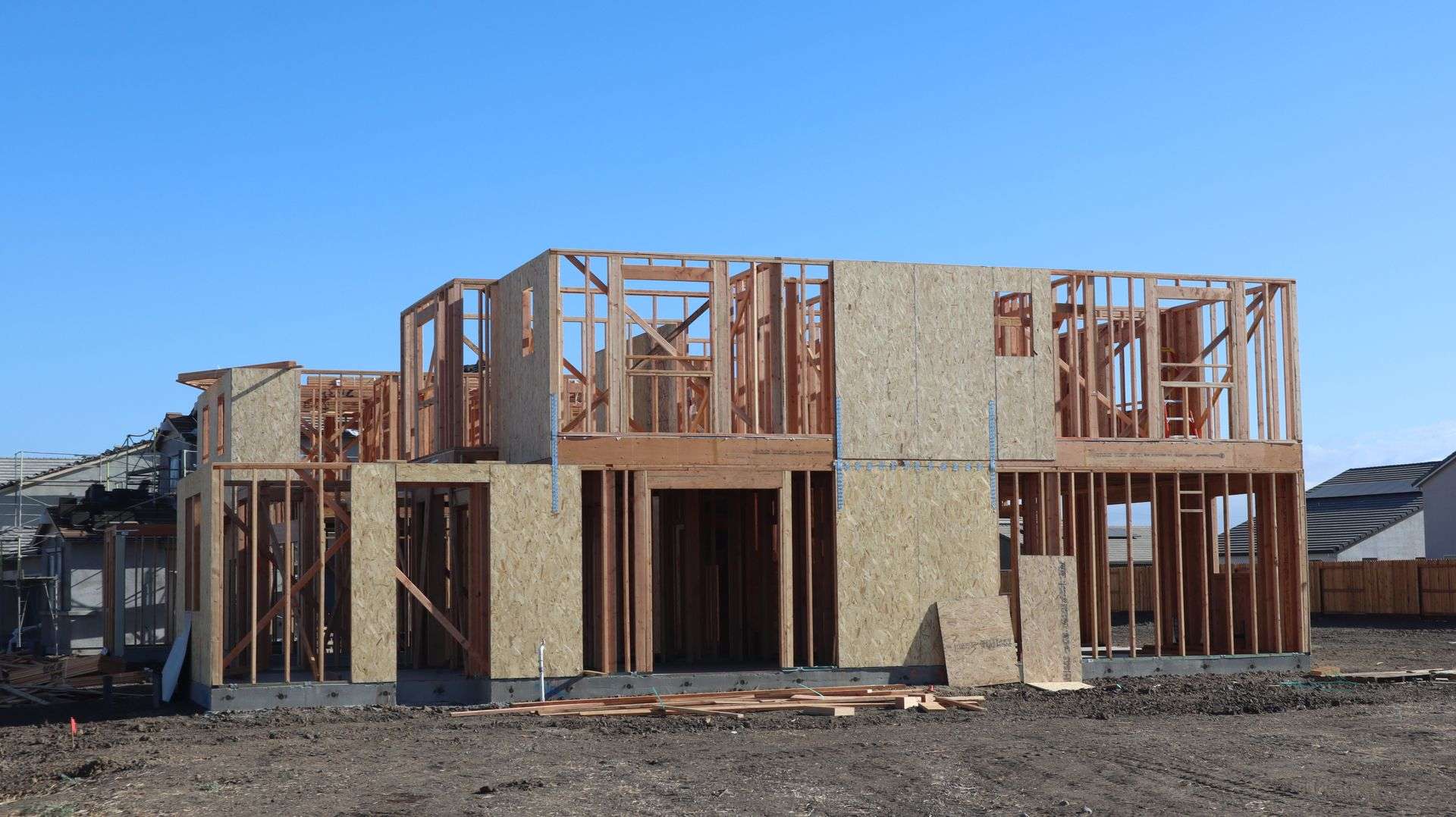
The selected team is expected to produce construction-ready plans for two-family, triplex, fourplex and sixplex buildings, with both traditional wood-frame and modular or panelized construction options. The plans would be developed first for Columbus, Cleveland and Cincinnati, where the project team is seeking both city review and builder interest.
The design team would not work in isolation. The RFP says the project team will convene technical advisers from the three cities, along with builders, lenders, Realtors and community representatives, to shape the plans before they are finalized. The advisers are expected to weigh in on price points, construction costs, local housing needs and whether the designs can move through city review and still work for developers.
Each city would retain final authority over whether the designs can be treated as pre-approved for local permitting. The effort is voluntary and does not require cities to change zoning.
Ohio’s housing shortage is not limited to the lowest-income renters. It also shows up in the narrowing path between renting and owning, as households that earn too much for subsidized housing struggle to afford detached single-family homes, especially in established neighborhoods near jobs, schools and services. The state’s housing needs assessment says new construction has increased since 2009 but remains below pre-Great Recession norms.
Missing-middle advocates argue that duplexes, triplexes, fourplexes and small apartment buildings can help fill that gap by adding smaller, lower-cost homes without requiring large apartment complexes or outward suburban growth. But the size of Ohio’s missing-middle shortage is harder to quantify than the subsidized rental gap; the available data points more broadly to underproduction, affordability pressure and a lack of diverse housing types.
In Central Ohio, Axios reported last year that the median listing price for new construction in the Columbus metro was $498,000, compared with $309,000 for existing homes, underscoring how new supply can remain out of reach for starter-home buyers.
The plans are intended to be licensed for use anywhere in Ohio and made available to the public at low or no cost. The selected team must submit construction documents to Columbus, Cleveland and Cincinnati for review by Feb. 15. The contract period is expected to end by April 1.
Cincinnati offers the clearest example of local momentum. The city’s BuildReady project, funded by a $2 million federal grant, is already focused on creating pre-approved middle-housing plans for two-, three- and four-family buildings. The city says the project will include an open-call design competition, creation of pre-approved plans and two demonstration projects in 2027. Cincinnati describes the effort as being in the early stages and says it is gathering feedback from professionals and the public.
The broader statewide effort could eventually extend beyond the three largest Ohio cities. Smart Growth America says the plans could be used by other communities through the Greater Ohio Policy Center’s network of pre-approved plans, which is helping 12 participating cities streamline affordable housing development.
The strategy has limits. Pre-approved designs can reduce soft costs and permitting delays, but they do not automatically make homes affordable. Zoning still determines where duplexes, triplexes, fourplexes and sixplexes can be built, and cities may need subsidies, land-bank partnerships or income restrictions if they want the homes to serve lower-income renters.
Still, supporters see the approach as one way to make infill housing more practical for smaller developers. Instead of relying only on large apartment projects or new subdivisions, the Ohio effort would give cities a repeatable model for adding modest density in established neighborhoods.
Photo by D Goug from Pexels
For more of the latest from the expansive government marketplace, check Government Market News daily for new stories, insights and profiles from public sector professionals. Check out our national contracting newsletter here.