


The Department of Energy (DOE) is seeking feedback from stakeholders to inform future actions intersecting key public-private partnership (P3) programs with key energy technologies. Responses are due Oct. 5.
The DOE’s Hydrocarbons and Geothermal Energy Office (HGEO), alongside the Office of Technology Commercialization, launched the Request for Information (RFI) to better understand the divide between existing P3 initiatives and emerging technologies that would benefit emerging innovators and industry. Ideally, the HGEO would use response data to connect private capital and P3 programs with coal, oil and gas and geothermal energy solutions.
Bridging private capital with new energy technologies has been a high-priority notch in the federal administration’s belt as key leaders continue to push America’s energy dominance plans forward. While the RFI itself precludes any funding opportunities, the responses may shape future programs and development.
Entities invited to respond include:
- Capital providers, including venture capital, angel investors, financial institutions, etc.
- Adjacent organizations, including incubators, accelerators, venture studios, etc.
- Industry.
- Academia.
- Research laboratories.
- Government agencies.
The RFI reflects the administration’s ongoing efforts to take technologies from the conceptual and laboratory phases and transition them into commercial environments. Expensive, hardware-focused energy technologies have historically had difficulty reaching widespread commercial viability, particularly in the coal sector.
Placing greater emphasis on P3s may be the key needed to effectively close this market gap by using private capital to unlock a dedicated resource stream rather than rely on debt and equity financing.
Areas of interest include – but are not limited to – the following:
Coal
- Modernization, reliability and life extension of coal-fired power plants.
- Critical minerals and materials recovery from coal and coal combustion residuals.
- Advanced mining and extraction technologies.
- Non-fuel coal-to-materials and product conversion.
- Advanced electric generation designs with improved fuel and operational flexibility.
- Improved emissions control systems.
- Advanced sensors and controls for power plant optimization and efficiency.
- Integrated energy storage, energy-water campuses and data center integration opportunities.
Oil and Gas
- Modular liquefied natural gas component and process technologies.
- Midstream sensors, materials and inspection technologies.
- Produced water treatment, analytics, reuse and critical mineral recovery.
- Wellbore integrity and intervention technologies.
- Pipeline and compression reliability.
- Enhanced recovery diagnostics and field optimization.
- Remote operations, field electrification, sensors, controls and AI-enabled technologies.
Geothermal
- Advanced exploration and reservoir characterization.
- Next-generation power plant and surface-facility performance.
- High-temperature drilling and well construction.
- Reservoir stimulation and sustainability.
- Commercial deployment and grid integration innovations.
All RFI responses must be delivered electronically to DE-FOA-0003671@netl.doe.gov. Information received will be used to supplement planning and strategy development, potentially informing upcoming initiatives or policymaking.
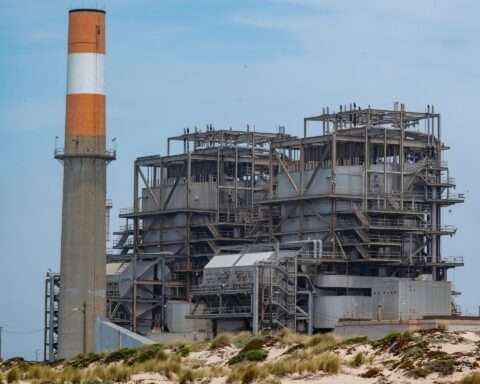
Photo by Nikolai Kolosov from Pexels
For more of the latest from the expansive government marketplace, check Government Market News daily for new stories, insights and profiles from public sector professionals. Check out our national contracting newsletter here.