

The Los Angeles City Council has signed off on the latest round of the Homes for LA funding program, opening the door for $466.6 million to be invested in affordable housing initiatives. Applications will open Oct. 13 and are due by Dec. 4.
The Homes for LA Notice of Funding Availability (NOFA) Round 2 consolidates eight funding programs to build, preserve and support existing affordable multifamily rental housing. The Los Angeles Housing Department (LAHD) will administrate the holistic program, consisting of the following components:
- ULA Multifamily Affordable Housing – $123.5 million.
- Pooled Sources: Multifamily – $115.5 million.
- ULA Alternative Models: New Construction – $104.1 million.
- ULA Operating Assistance – $38.4 million.
- ULA Acquisition and Rehabilitation: Preserving Affordability – $32.7 million.
- Portfolio Preservation – $27 million.
- ULA Alternative Models: Preservation – $25.4 million.
While the majority of the funding is newly allocated for Round 2, the LAHD is including some rollover funds that were not distributed in Round 1 in the combined total. Eligible applicants for each program typically include public entities, local housing authorities, Community Land Trusts (CLTs), Limited Equity Housing Cooperatives (LEHCs), non- and for-profit developers, joint ventures, limited liability corporations and limited partnerships.
The United to House Los Angeles (ULA) Multifamily Affordable Housing program will support the development of affordable housing options within the city. Eligible projects must either build new or convert non-residential structures into multifamily affordable housing. Each project must have a minimum of 40 units. Entities must demonstrate a history of affordable housing development, ownership, operations and property management to be considered eligible.
The Pooled Sources: Multifamily program combines two funding sources in a single category – the Los Angeles Affordable Housing Solutions Agency (LACAHSA) PPO New Construction funding and California Permanent Local Housing Allocation (SB2) funds. Applicants may build and/or convert non-residential structures into affordable housing with at least 20 units using tax credits.
Projects completed using LACAHSA PPO New Construction funding must reserve 25 percent of units for households with incomes at or below 30 percent or the Area Median Income (AMI) and another 25 percent for households with incomes at or below 50 percent of AMI. SB2 affordability requirements must ensure construction projects have 100 percent of units dedicated to households making 60 percent of AMI and 100 percent of preservation project units for households making 30 percent AMI.
New construction through the Alternative Models program will predominantly consist of projects that build multifamily rental or ownership housing or apply adaptive reuse of nonresidential structures into multifamily rental or ownership housing. New construction must ensure buildings include at least 40 units, whereas adaptive reuse projects have no minimum unit requirement. At least 20 percent of units must be dedicated to acutely or extremely low-income households.
The Operating Assistance initiative offers up to two years of operation support to resolve challenges. Projects that can receive funding must prioritize existing residential buildings with demonstrated financial hardships. Each must have been Place in Service for no less than 15 years and must not have been awarded ULA Operating Assistance funding within the past four years. All applicable units must be made available to households with income equal to 80 percent AMI or below.
The Acquisition & Rehabilitation: Preserving Affordability program applies to projects that buy, rehabilitate and preserve existing affordable housing structures. These buildings must be subject to a regulatory agreement that dedicates units to low-income households and/or rents. Each site must have an existing regulatory agreement that will expire within 10 years from the time of the funding application. Once completed, all units must be covenanted to be affordable to households earning 80 percent AMI but cannot displace current tenants earning higher incomes.
The Portfolio Preservation program sets out to achieve four core goals:
- Stabilize entire sponsor portfolios to have a larger scale impact on housing stability.
- Decrease the risk of conversion to market-rate housing and extend the remaining useful life and long-term affordability of portfolio projects.
- Preserve units through targeted stabilization measures at a reduced cost.
- Resolve technical compliance risks and restore long-term financial viability by ensuring assets can eventually be recapitalized.
Each portfolio must contain at least four projects consisting of existing, permanent and affordable multifamily residential buildings with a minimum of eight units each. To qualify, developers must demonstrate their experience in owning and developing affordable rental housing.
The final program – Alternative Models: Preservation – targets projects concerning existing residential buildings under financial distress and/or those with expiring or expired covenants needing critical capital improvements. Projects will typically prioritize rehabilitation to ensure these structures meet affordable housing standards. At least 20 percent of units must be restricted to households earning 15 percent or 30 percent AMI.
All funding distributed through the Homes for LA program are loans. Recipients will be able to repay those loans through a residual receipts distribution when cash flow is available to cover principal and accrued interest.
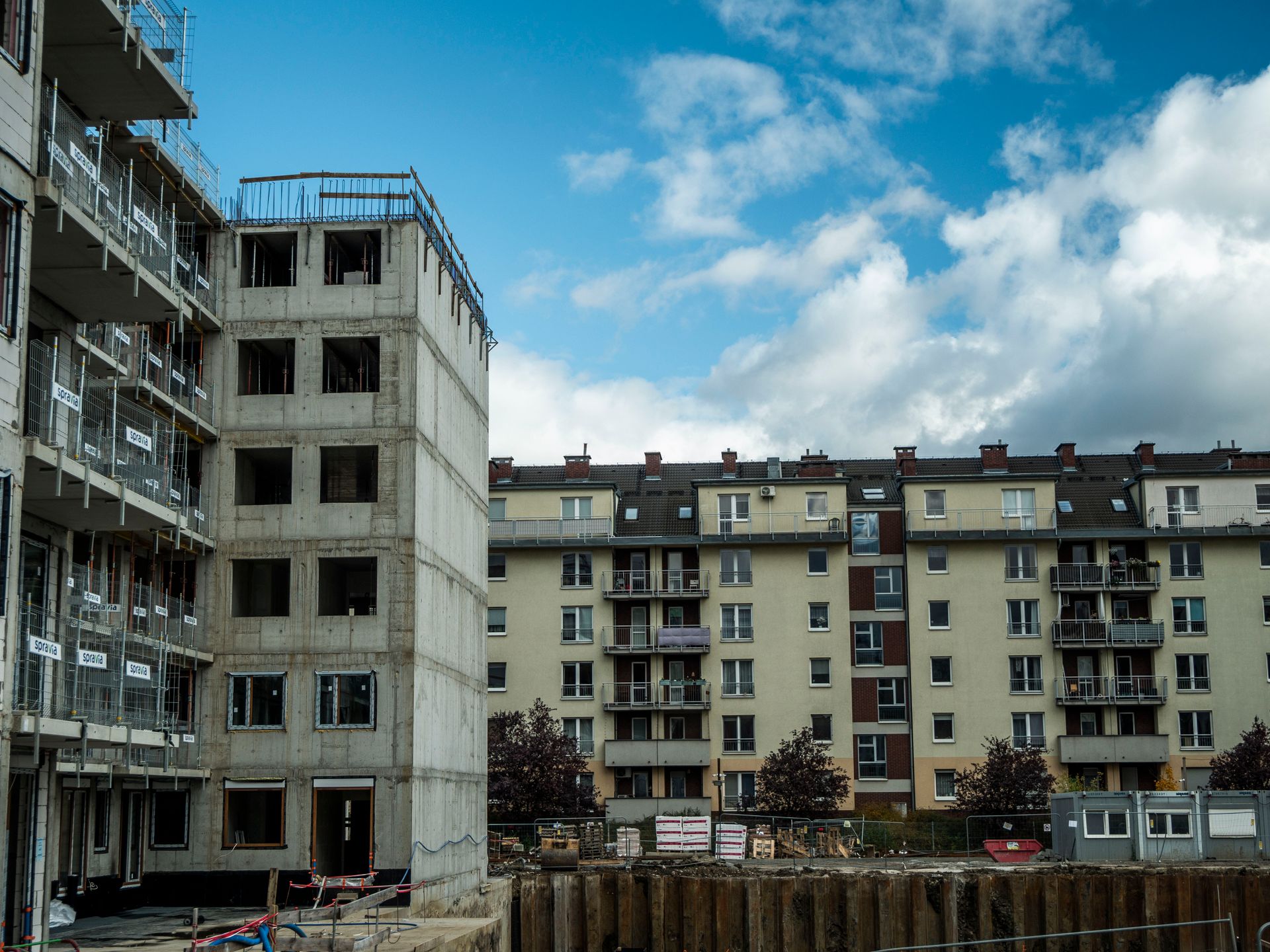
Photo by SHOX ART from Pexels
For more of the latest from the expansive government marketplace, check Government Market News daily for new stories, insights and profiles from public sector professionals. Check out our national contracting newsletter here.