

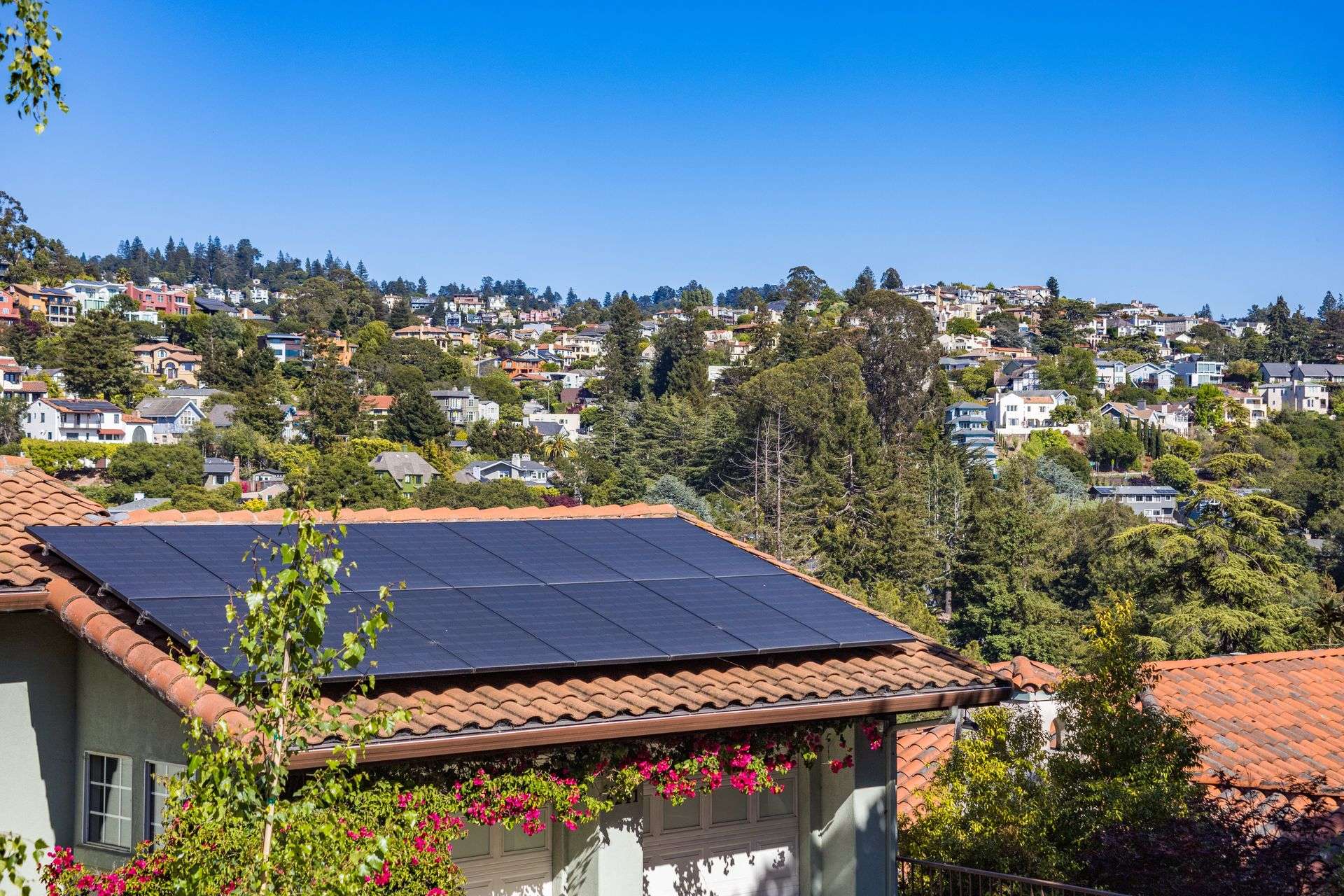
Investments made through New Mexico’s Local Solar Access Fund (LSAF) have already begun yielding results, offsetting the burden of rising energy costs by an average of 53 percent in rural communities.
The LSAF was signed into law in 2025 with an initial non-reverting appropriation of $20 million. The program provides funding to help underserved, rural communities install distributed solar and energy storage systems, alleviating crushing energy costs on low-income households and community service providers.
The program serves as a commanding step forward for integrating renewable energy systems in regions that can greatly benefit from them. Outside of supplementing available energy sources, the LSAF was designed to support local workforce development, enhance community resilience during environmental emergencies and utilize multiple funding sources to ensure projects have the greatest possible impact.
Since the fund began accepting applications in January, the results have spoken for themselves. Aside from the 53 percent cost savings, the fund has laid groundwork for expanding solar energy access for rural and low-income communities while bolstering critical infrastructure.
Notably, the assistance doesn’t stop there. Low-income communities have more opportunities to access alternative funding sources and tax incentives that increase their investing power. Entities receive more support to leverage federal clean energy tax credits that increase project finances and provide essential resources to address community needs and future renewable projects.
The LSAF has two grant types: project grants and technical assistance grants. As of September, the state has awarded $19.3 million across 21 project grants and 13 technical assistance grants, with rural applicants receiving more than 90 percent of the funds.
Project grants provide support for planning, designing, constructing, buying, installing and equipping solar energy systems in buildings and infrastructure. The LSAF provides up to $1 million per award. Technical assistance grants offer professional services to help entities apply for federal or other funding opportunities to plan, design, build, buy, install or equip qualifying solar energy projects. The fund provides up to $50,000 per award.
Counties, municipalities, school districts, land grant-merceds and Indian nation, tribe or pueblos in New Mexico may apply for LSAF funding. Awards will only be given to support eligible solar systems, requiring that applicants utilize equipment that generate, convert, store, manage and monitor solar energy for thermal or electrical use. They may include energy storage systems like batteries or interconnection equipment to loop in systems with the electrical grid.
While solar energy has become demonstrably less popular with the current administration, states continue to pursue renewable energy opportunities to supplement existing power sources and improve resilience measures. As of February 2025, 24 states and the District of Columbia have implemented policies supporting community solar initiatives. From that amount, 20 states have instituted policies to direct funding to rural, underserved and low-income households.
Most of these programs were paused following the Environmental Protection Agency’s (EPA) decision to end the nationwide Solar for All (SFA) program, rescinding federal support for these projects. However, with the court determining that cancelling the program outright was unconstitutional, the SFA is slated to make a return in a potentially diminished capacity.
As of now, the responsibility for promoting solar energy systems falls squarely on state shoulders. The State of Illinois has maintained its SFA program since launching it in 2017, saving households, communities, non-profits and public facilities thousands of dollars each year by installing and utilizing solar panels. New Hampshire continues to implement its Electric Assistance Program Low-Moderate Income (EAP LMI), using clean energy credits to lower electric bills across the state since 2022. While Texas has suspended its SFA program following the EPA’s decision, reviving the federal program may lead to the state reopening its renewable energy program.
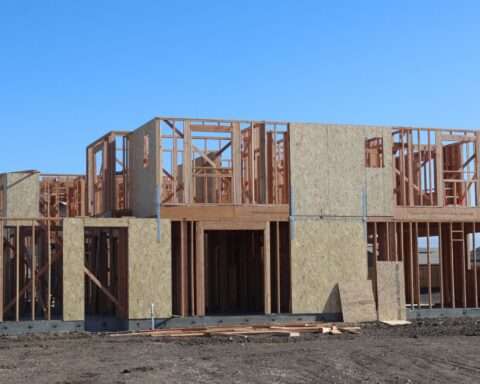
Photo by Robert So from Pexels
For more of the latest from the expansive government marketplace, check Government Market News daily for new stories, insights and profiles from public sector professionals. Check out our national contracting newsletter here.