

Kentucky has secured $73 million in Better Utilizing Investments to Leverage Development (BUILD) funding from the U.S. Department of Transportation (USDOT) to activate three critical transportation initiatives.
The Kentucky Transportation Cabinet (KYTC) will distribute the funding to the chosen recipients. These efforts will consist of building additional truck parking infrastructure, replacing a bridge and expanding a riverport.
The largest award – totaling $25 million – will help improve the state’s freight network infrastructure through the Truck Parking Improvement Project. Slated to cost nearly $54.9 million, the project will build new truck parking sites at seven rest areas along four critical truck corridors.
These new sites will feature new pavement provided for additional truck parking spaces. As part of its updated design, the initiative will include handicap truck parking spaces, ADA ramps and a designated space for oversized trucks. The state will incorporate new or enhanced Truck Parking Information Management Systems (TPIMS) at each site.
A $24 million award will cover more than half the total cost for the Singing Bridge Replacement Project. The $40.1 million project will replace a bridge over the Kentucky River along U.S. 60X/Bridge Street/St. Clair Street. The bridge has been closed since 2024 after analysts determined it had significantly deteriorated and posed a risk to regular travel.
The project will install a replacement that complies with modern standards for safety, load and accessibility. Details include building 10-foot lanes, 2-foot shoulders and separated, ADA-compliant sidewalks.
The remaining $24 million award will cover nearly the entire $29.9 million cost for the Paducah McCracken County Riverport West initiative. The project calls for expanding the Paducah main public port to better serve the needs of the Ohio and Tennessee rivers, expanding its capacity to scale with increased demand.
Paducah plans to build a 200-foot public barge terminal next to the existing 1,000-acre rail facility. The city will take a multiphase approach, with Phase 1 targeting the initial berth and supporting landside infrastructure. The future phases will complete the three-berth terminal and ensure full rail connectivity.
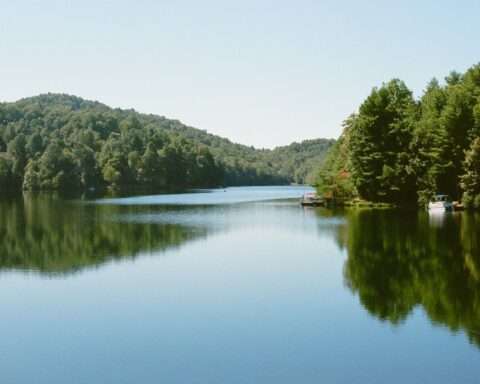
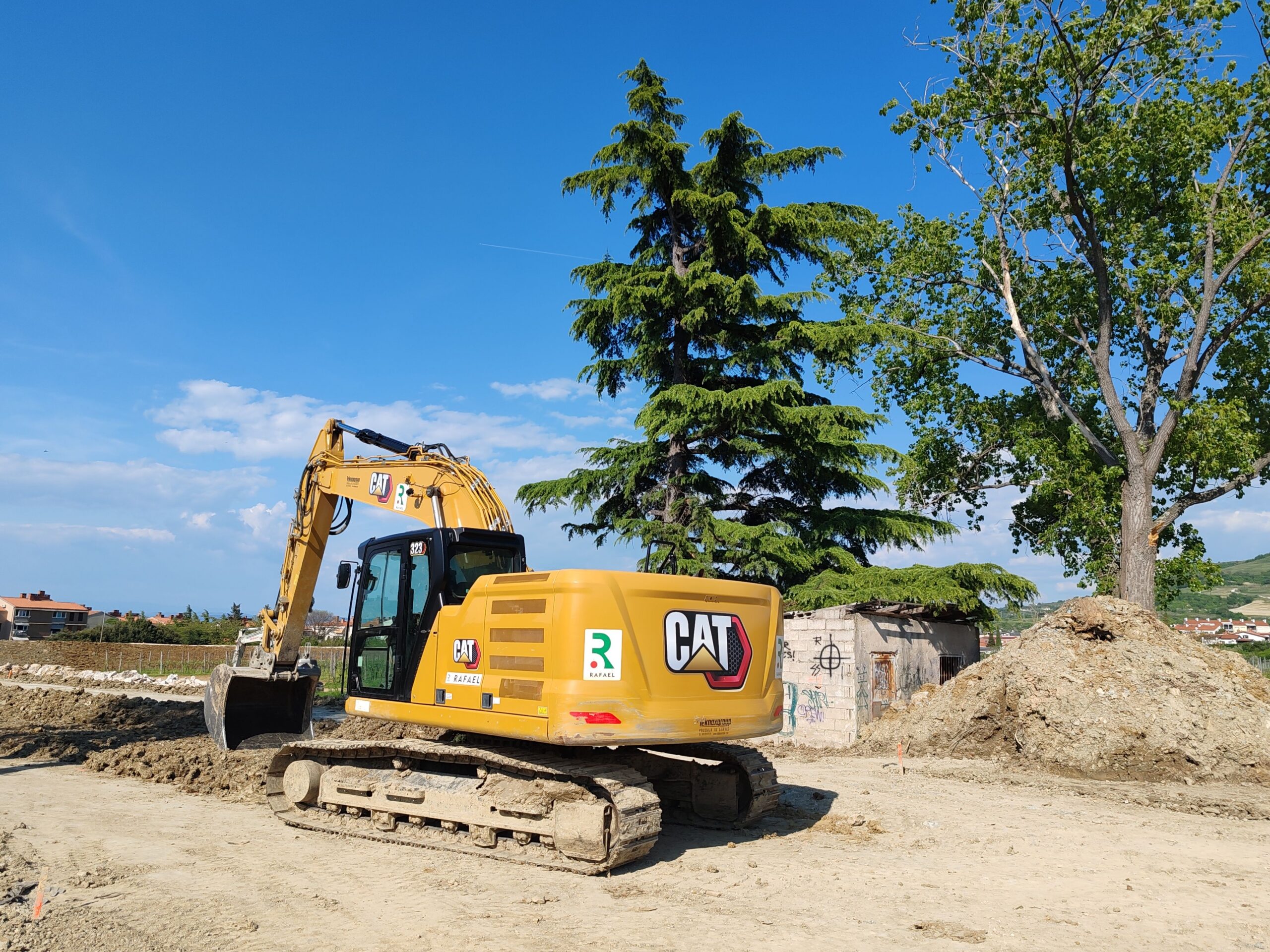
Photo by Janez Temlin from Pexels
For more of the latest from the expansive government marketplace, check Government Market News daily for new stories, insights and profiles from public sector professionals. Check out our national contracting newsletter here.