


The California High-Speed Rail Authority (CHSRA) has signed a Co-Development Agreement (CDA) with a private consortium to guide and develop future public-private partnership (P3) planning and opportunities.
The consortium consists of a collection of high-speed rail, infrastructure, investment, engineering, commercial development and systems integration firms. Through this collaborative predevelopment partnership, California will continue to lead the nation as a model for effective, feasible commercial rail travel between major population centers.
The CDA turns a new corner on the state’s efforts to advance high-speed rail delivery strategies. Over the past year, the CHSRA has prioritized right-sizing infrastructure, accelerating revenue-generating segments, improving long-term funding certainty and endorsing private sector inclusion in planning and development. With the agreement signed, the agency will have new capabilities to tap into the P3 market for delivering high-speed rail projects.
The partnership marks the beginning of a six-month predevelopment and delivery evaluation period. During this phase, the partnership will evaluate strategies to expand the rail system beyond segments currently being built. Work will cover several key planning facets, factoring in infrastructure sequencing, delivery models, financing strategies and operational concepts as the partnership determines the best opportunities for private sector inclusion.
Other long-term commercialization opportunities may include:
- Broadband and fiber networks.
- Data infrastructure.
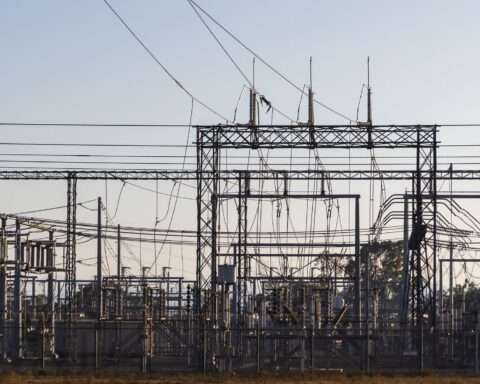
- Utility and transmission corridors.
- Station area development.
- Strategic land use partnerships.
This planning period sets the stage for a wave of new P3 opportunities in the near future. As the CHSRA pursues commercialization, private companies will have the chance to jump into integrated corridor projects carrying price tags ranging from million to billions of dollars. P3s serve as one of the most effective alternatives to build massive infrastructure projects, with the CHSRA’s approach signaling the need for innovative approaches to spur development and investment.
In parallel to the CDA’s execution, the CHSRA has released a solicitation to secure clean power for future high-speed rail operations through a P3 arrangement. The project will cover a six-month period where the selected private company will evaluate clean energy and commercialization concepts in advance of upcoming development. The agency anticipates selecting a partner by September 2026.
Currently, roughly 171 miles of high-speed rail are under design and construction between Merced and Bakersfield. The agency has already completed 80 miles of guideway, 61 major structures and is in the process of finishing 30 more facilities across four counties. In its latest effort to advance development, the CHSRA recently released a Request for Qualifications (RFQ) seeking a design-build contract for the $2.4 billion Merced to Madera extension.
Photo by Tuur Tisseghem from Pexels
For more of the latest from the expansive government marketplace, check Government Market News daily for new stories, insights and profiles from public sector professionals. Check out our national contracting newsletter here.