

The National Science Foundation (NSF) will invest $90 million over a five-year period to support the launch and operations of three Science and Technology Centers (STC) in Michigan, Illinois and Texas.
The centers will consolidate research from across the public and private industry spectrum, drawing from universities, national laboratories, industry and other partners. NSF will provide each center with $6 million each year and will offer the opportunity to earn additional funding covering an additional five years.
STCs operate as pioneers of innovation and discovery, leveraging researchers working on cutting-edge, transformational research fields. Combining the collective expertise of researchers in public and private industry, STCs have carved a path toward advanced breakthrough technologies through complex, high-risk challenges in foundational research. These innovation centers also play an essential role in training the future scientific and technical workforce through hands-on experience for students and early-career researchers.
The three centers receiving funding include:
- Michigan State University – Center for Transformative Explorations in Multi-Physics and Engineering of Scientific Turbulence (TEMPEST).
- Northwestern University – Center for Genome Intelligence Engineering (GENIE).
- The University of Texas (UT) at Austin – Center for Human and Robot Co-Adaptation.
TEMPEST will delve into understanding and controlling turbulence – the chaotic, multiscale motion of fluids and plasmas. This research tackles a complex, unpredictable form of motion that changes behavior based on the scale of operations.
The center will utilize advanced experiments, mathematical modeling, high-performance computing and AI to develop physics-grounded models geared to analyze this topic area. The research results could accelerate fusion energy development, bolster the scientific foundations of national security technologies and drive innovation.
GENIE will prioritize research cell function – specifically to determine how to prevent and potentially reverse cell function decline. Alterations in DNA organization structure can lead to some of the most high-profile and prevalent diseases, including Alzheimer’s, cardiovascular and cancer.
The center plans to develop technologies to better model 3D DNA structures and engineering. The generated results may help cells and tissues withstand damage, restore lost functions and return to a healthier state.
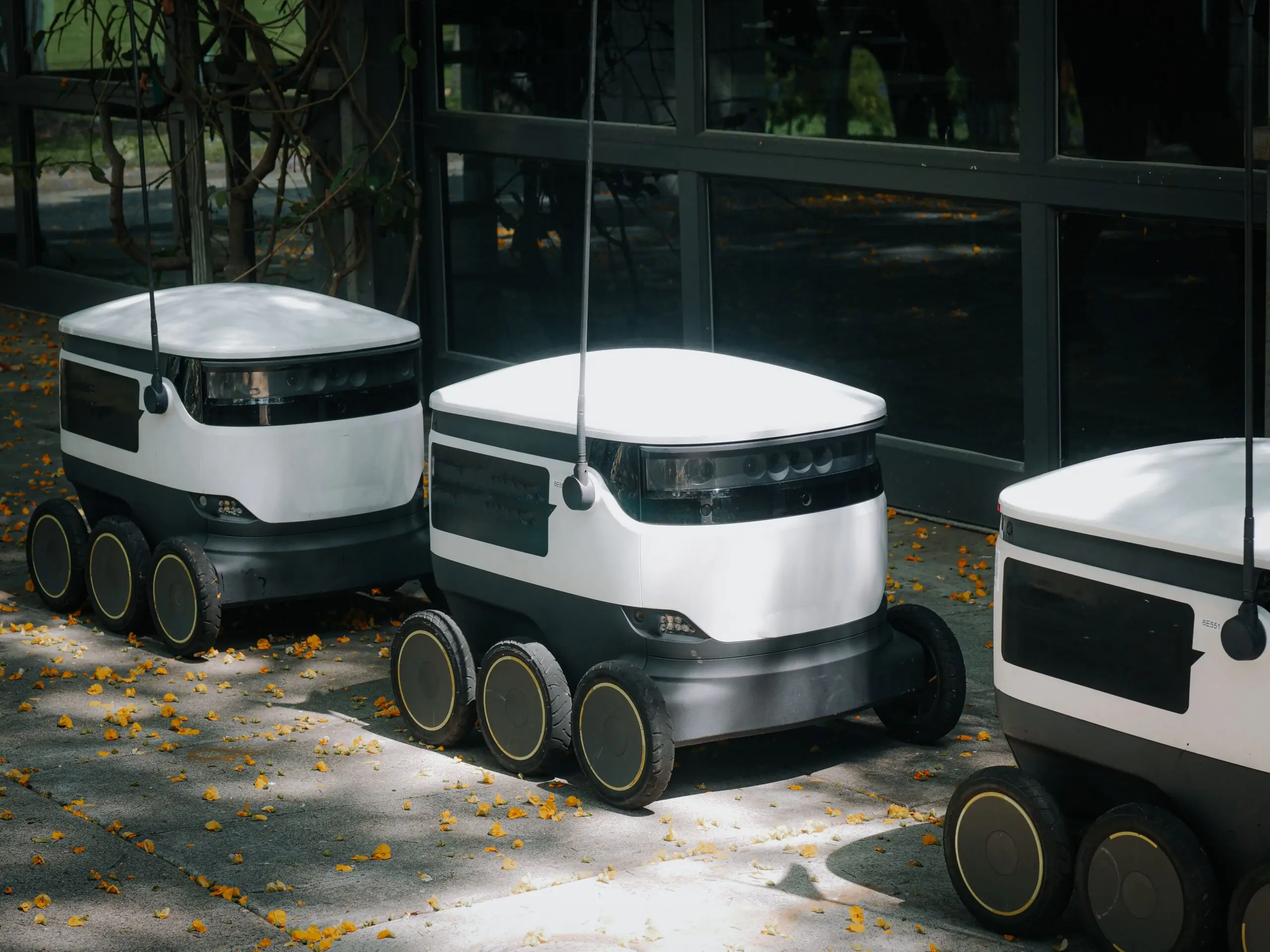
The Center for Human and Robot Co-Adaptation will venture into potential applications and integration of service and assistive robotics in everyday life. Researchers will unify robotics, AI and human factors to develop robotics designed to serve core functions in homes, hospitals, workplaces and public spaces.
These robots will ideally embody intelligence and the capacity to learn from people, understand their needs and preferences and systematically adapt to meet demand, different people and changing environments. The center aims to introduce these technologies as facets of independent living, healthcare and other human-centered services.
Investments in the STC program align with the federal government’s objectives to drive technological innovation. The White House recently published updated Science and Technology Policy guidance to better outline its technological development and research goals leading up to 2028.
Photo by Kindel Media from Pexels
For more of the latest from the expansive government marketplace, check Government Market News daily for new stories, insights and profiles from public sector professionals. Check out our national contracting newsletter here.