

The state of Michigan has announced its inaugural disbursement from the Neighborhood Roads Fund (NRF), delivering roughly $171.5 million to bolster municipal road, bridge and transit infrastructure. The allocation accounts for a fraction of the nearly $2 billion annual investment planned through the program.
The $171.5 million disbursement will directly fund projects located in 83 counties and 500 cities and villages across the state. The state will deliver additional payments throughout the rest of 2026. Counties will receive the bulk of the funding, totaling $111.2 million with the following receiving the largest individual amounts:
- Oakland County – $11.4 million.
- Wayne County – $10.6 million.
- Macomb County – $7.2 million.
- Genesee County – $3.6 million.
- Ottawa County – $3.4 million.
Cities and villages across the state will pick up the remaining $60.3 million, predominantly directed toward urban areas with the largest populations, including:
- Detroit – $8.5 million.
- Grand Rapids – $2.4 million.
- Warren – $1.5 million.
- Lansing – $1.4 million.
- Flint – $1.3 million.
- Sterling Heights – $1.3 million.
- Livonia – $1.1 million.
With millions planned to supplement municipal efforts to build, repair and maintain local roads, the state continues to follow through on its promise to invest in statewide transportation infrastructure. Gov. Gretchen Whitmer has run on a platform prioritizing municipal support for aging infrastructure, resulting in more than $31 billion spent on roads and bridges over the past seven years.
From the nearly $2 billion annual NRF investment planned, the state will dedicate 52 percent to counties, 28 percent to cities and villages and 20 percent to the Michigan Department of Transportation (MDOT). The state has committed additional funding to the following sectors:
- $100 million to repair and replace local bridges.
- $100 million for public transit, including transformational projects and local bus operations.
- $40 million for rail grade separation projects.
The NRF program is a long-term vision dedicated to establishing a sustainable funding source for schools and essential services while providing baseline support for critical transportation infrastructure networks. The state has shifted and directed revenue generated from various taxes to fill the program’s coffers, including $1 billion annually through a sales tax and motor fuel tax swap to fill the program’s coffers. In addition, all taxes paid at the pump will directly go toward state and local roads.
The state has redirected $600 million from the Individual Income Tax to the Corporate Income Tax, supplementing roadway funding without dipping into the general fund. An additional annual injection of $88 million – resulting in a total $440 million gain over time – will come from corporate income tax growth to maintain long-term infrastructure investments. Another $420 million generated from the marijuana industry tax will go toward roads.
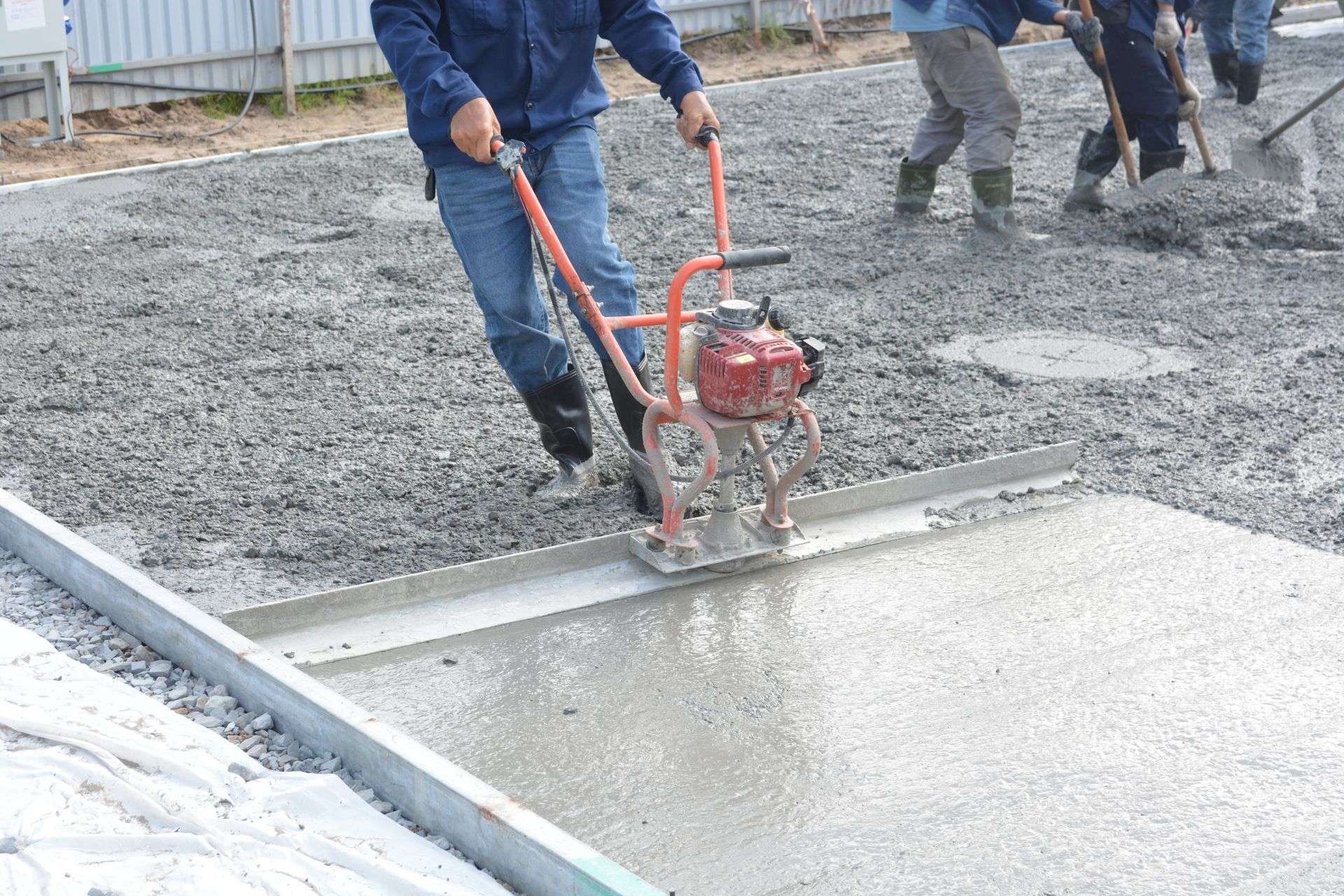
Photo by SÀI GÒN CÔNG TY CP SẢN XUẤT – THƯƠNG MẠI from Pexels
For more of the latest from the expansive government marketplace, check Government Market News daily for new stories, insights and profiles from public sector professionals. Check out our national contracting newsletter here.