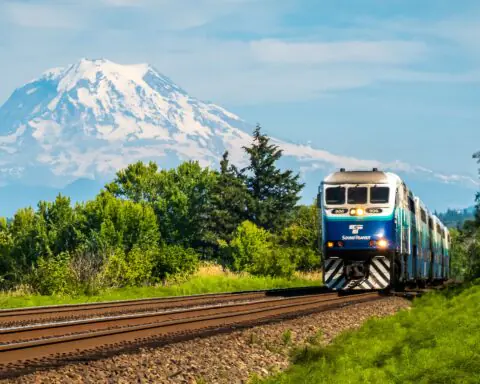


Voters in Colorado will have the choice in the upcoming November 2026 election to provide additional funding to the Colorado Connector passenger rail service. The proposed rail system is estimated to cost $4.7 billion over five years, according to recently released plans.
The first phase, set to begin in 2029, is already fully funded and will offer passengers three round trips a day connecting eight communities 65 miles north of Denver ending in Ft Collins, including Westminster, Broomfield, Louisville, Boulder, Longmont and Loveland.
Phase two will require a voter approved 0.333% sales and use tax that will expand service to add four additional cities south of Denver making for a total of 190 miles of connected passenger rail along the front range of the Rocky Mountains.
The cities added in phase two would include Littleton, Sterling Ranch, Colorado Springs, and Pueblo beginning in 2032. Phase two would also increase the frequency of service between Denver and Fort Collins to 4 round trips with the southern portion starting with two round trips from Pueblo to Denver.
Colorado Connect estimates the first two phases to include a $2 billion price tag for capital construction cost with funding coming from the proposed tax and a $176 million from the Colorado Transportation Investment Office. Operating costs are estimated at $30-36 million per year for phase one and $40-50 million during phase two.
Additional service phases include Incrementally adding service along the full corridor to achieve ten round trips daily between Denver and Fort Collins and eight round trips daily between Denver and Pueblo. Connections to cities in Wyoming and New Mexico are also mentioned as possible future expansions.
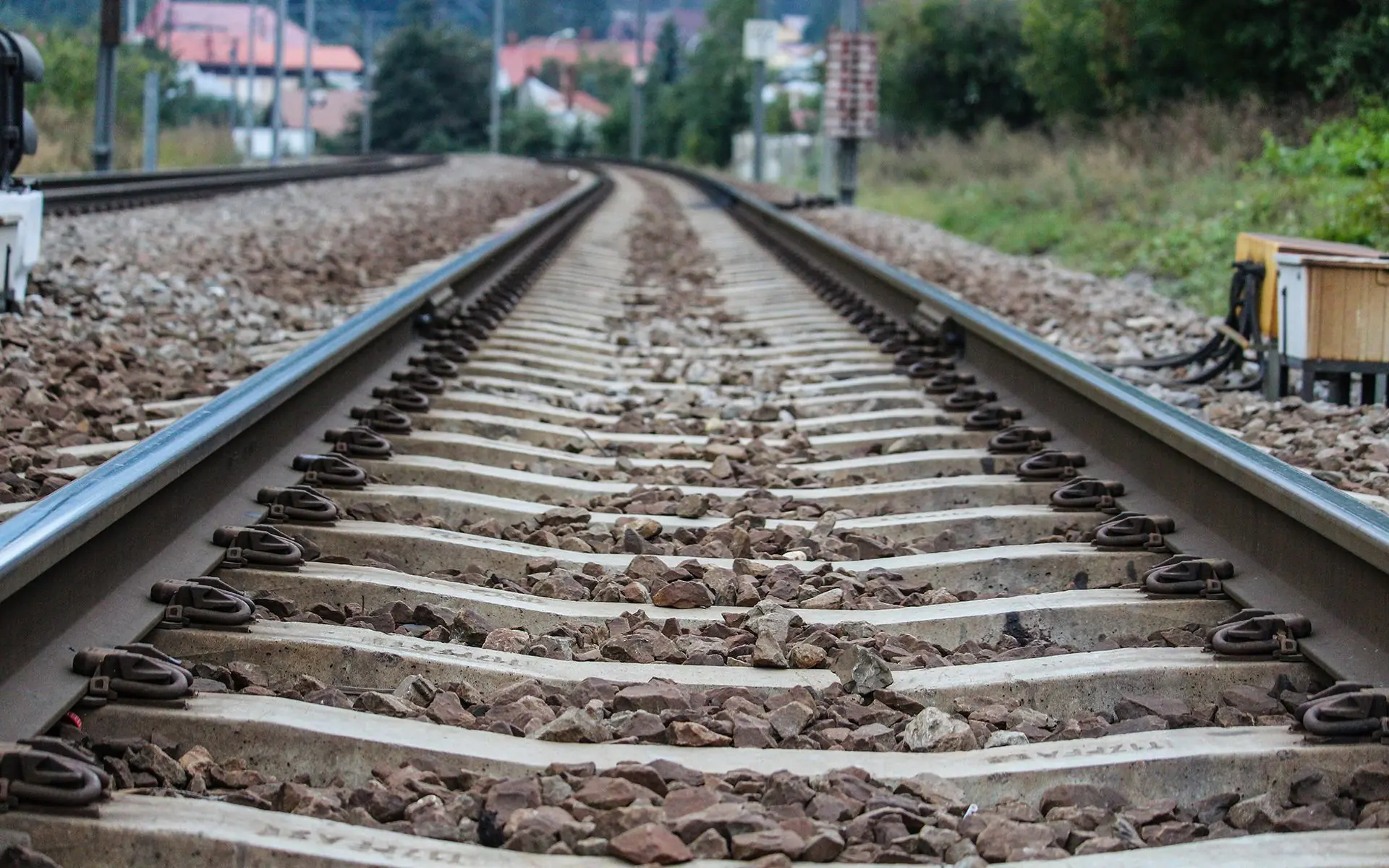
Photo by Creative Vix from Pexels
For more of the latest from the expansive government marketplace, check Government Market News daily for new stories, insights and profiles from public sector professionals. Check out our national contracting newsletter here.