

New York is forgiving over $134 million in loan debt associated with lead service line projects in 24 local governments and water authorities. Governor Kathy Hochul announced these awards Sept. 17, as part of the state’s Lead Infrastructure Forgiveness and Transformation (LIFT) program.
These projects, which involve identifying and replacing lead service lines, are already funded through previously approved federal grants and loans. LIFT does not directly finance this work; instead, it retires the loan portion of existing project financing upon project completion.
LIFT is a loan-forgiveness program launched by Hochul in the fall of 2024. Since its inception, the state has committed more than $290 million, including this round’s $134 million – the largest single LIFT distribution to date. Awards have been distributed through a combination of standalone rounds and grants integrated into the regular funding packages of the state’s Environmental Facilities Corporation (EFC), which are approved approximately every one to two months rather than on an annual cycle.
The federal government recognized lead-line replacement as a national issue requiring funding, largely spurred by the 2014 Flint, Mich., water crisis. Flint exposed potential widespread lead contamination in the nation’s aging water systems. The Biden administration responded roughly a decade later with two key actions: a 2021 infrastructure law allocating $15 billion for lead-line replacement and a 2024 EPA rule, the Lead and Copper Rule Improvements, mandating that utilities nationwide replace all lead lines within approximately 10 years. This rule built upon earlier lead service line inventory requirements finalized by the EPA in January 2021, during the final days of the first Trump administration.
The 2021 law stipulated that a portion of each state’s funding must be distributed as loans rather than grants, creating debt for municipalities that would need to be repaid through water rates. LIFT is New York’s solution to this structure, using state funds to forgive the local debt incurred from these federal loans.
The federal foundation for this initiative, however, is becoming less certain. The 2021 law’s lead-funding authorization enters its final year in 2026, and the 2024 replacement mandate is facing legal challenges from water utilities, with oral arguments anticipated this fall in Washington, D.C. Congressional Republicans have also attempted to roll back the mandate, though the EPA continues to defend and implement it.
LIFT is not a standalone grant competition. Communities enter the funding pipeline by applying for base financing through the state’s Drinking Water State Revolving Fund Intended Use Plan, the same mechanism that channels federal lead-line money. The EFC’s board of directors then applies LIFT’s income and poverty criteria to projects already in that pipeline and approves loan-forgiveness awards at its regular meetings.
The $15 billion in federal funding is allocated to each state annually via a formula, rather than through competitive grants. This formula prioritizes states with the oldest housing stock, as most lead lines are associated with pre-1986 construction. Illinois received the largest single-year allocation in the program’s history at approximately $295.6 million for federal Fiscal Year 2026, followed by Ohio at $201.8 million and New York at $185.2 million.
The two dozen projects in this current round in New York already have approved financing packages under the 2021 infrastructure law, totaling over $600 million in combined grants and loans. New York is utilizing LIFT funds to retire the loan portion of this $600 million once the projects are completed. This effectively converts these projects from partially loan-funded to fully grant-funded endeavors.
To be eligible, communities had to meet one of two thresholds: a median household income below 80 percent of the regionally adjusted statewide median, or a poverty rate exceeding the statewide rate. New York City, Poughkeepsie and Rochester each received the maximum award of $14 million. Port Jervis, Buffalo and Troy followed with $13.4 million, $11.8 million and $11.1 million, respectively.
Separately, New York has awarded over $600 million in federal funding for lead line work statewide since 2022, covering all projects, not just this round’s 24. This statewide total is roughly split between $310 million in grants and $295 million in loans. LIFT serves as the mechanism for reducing this $295 million loan share across the state’s project pipeline.
Most states simply administer their federal pass-through funds as low-cost loans with a required grant portion. A smaller group has supplemented this with their own state money or legal mandates. Illinois, Michigan and New Jersey are the only states that legally mandate full lead service line replacement.
Illinois bears the largest known lead-line burden nationally, with over 686,000 lines still in the ground, and supports its mandate with state loans issued at 100 percent forgiveness. Wisconsin operates a separate state fund to forgive replacement costs on the private-property side of lead lines, an area generally not covered by federal dollars. New York’s LIFT program falls into this category of states adding their own financial contributions.
LIFT’s mechanism differs from these examples. Instead of forgiving loan principal upfront, LIFT retires the loan portion of already-approved federal packages after a project is completed, specifically targeting income- and poverty-qualified communities.
New York’s EFC is also reviewing applications for the first $425 million installment of a $3.75 billion water-infrastructure plan included in the state’s Fiscal Year 2027 budget. A portion of these funds is earmarked for further lead line inventory and replacement work. This funding pipeline is distinct from LIFT and is important to monitor as federal funding becomes tighter.
For vendors, the 24 projects are likely to generate work in service-line inventory and verification, engineering and design, excavation and pipe installation, water quality testing and site restoration. New York’s announcement did not include construction schedules or procurement deadlines for these projects. Vendors will need to track solicitations issued directly by each recipient municipality or water authority.
The LIFT recipients and their awards are as follows:
- New York City – $14,000,000
- Poughkeepsie – $14,000,000
- Rochester – $14,000,000
- Port Jervis – $13,400,768
- Buffalo – $11,832,000
- Troy – $11,097,000
- Kingston – $8,928,300
- Rome – $7,230,000
- Olean – $5,923,939
- Ithaca – $4,910,000
- Albany Municipal Water Finance Authority – $4,252,531
- Geneva – $3,737,741
- Johnson City – $3,687,000
- Mohawk Valley Water Authority – $3,304,950
- Batavia – $3,223,442
- Little Falls – $2,862,300
- Newburgh – $2,711,458
- Niagara Falls Water Board – $1,464,487
- Seneca Falls – $1,088,710
- Canandaigua – $869,300
- Glens Falls – $535,540
- Watervliet – $518,000
- Oneonta – $433,500
- Frankfort – $301,778
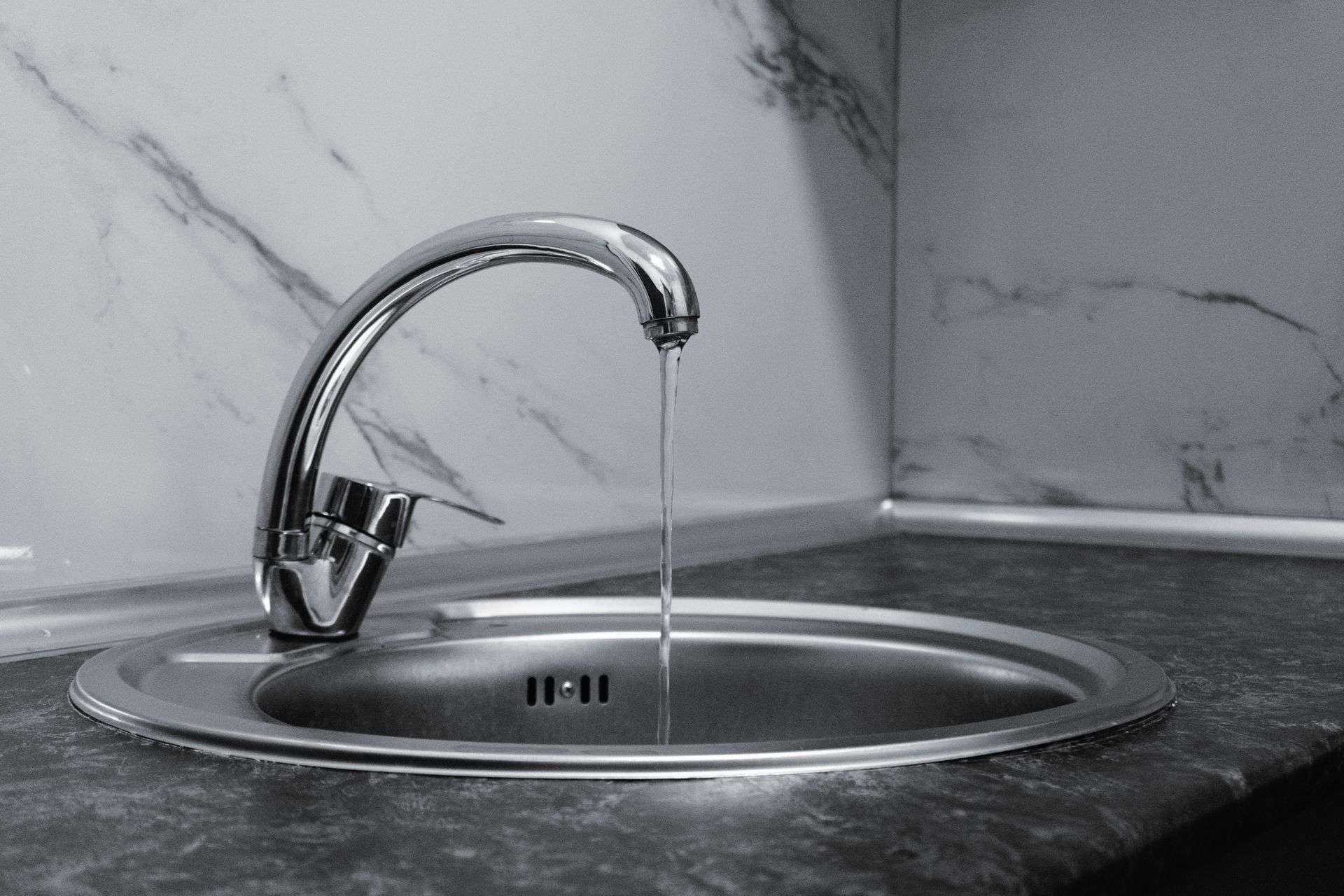
Photo by Zulfugar Karimov from Pexels
For more of the latest from the expansive government marketplace, check Government Market News daily for new stories, insights and profiles from public sector professionals. Check out our national contracting newsletter here.