

The Southeastern Pennsylvania Transportation Authority (SEPTA) has unveiled a long-term plan to modernize Philadelphia-area transit, including hundreds of new rail vehicles, expanded frequent bus and rail service and station improvements designed to make the system fully accessible.
SEPTA announced its Accelerate initiative Sept. 22, outlining investments it plans to pursue over the next decade across its trolley, subway, Regional Rail and bus networks.
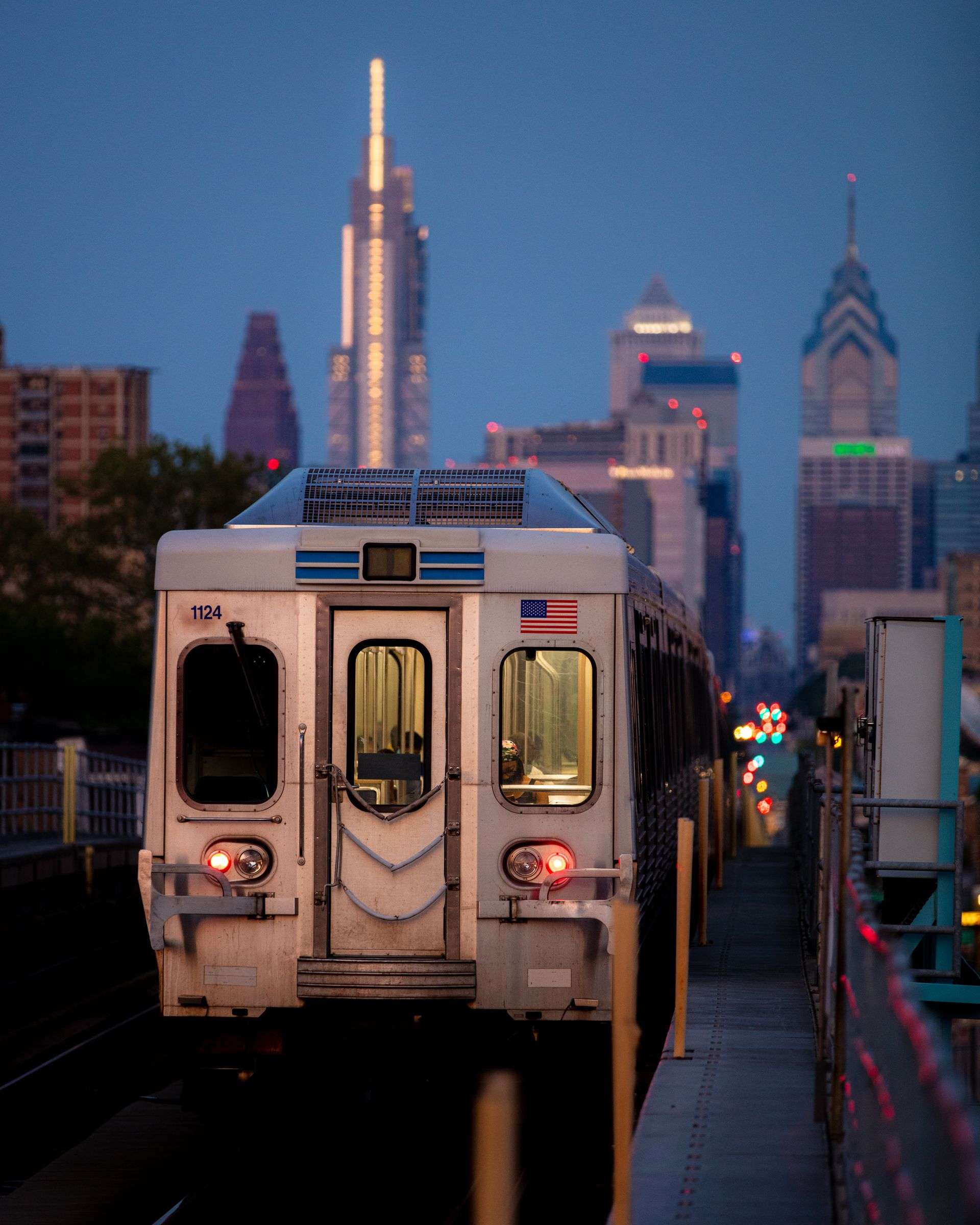
The plan includes buying 130 low-floor trolleys, 200 new Market-Frankford Line subway cars and 230 Silverliner VI Regional Rail cars. SEPTA also plans to eventually replace vehicles on the Broad Street Line and Norristown High Speed Line.
SEPTA said the combined investments would put more than 2 million people within a quarter-mile of frequent transit, compared with about 900,000 currently. Nearly half of the region’s jobs would be within a quarter-mile of frequent service, up from about one-quarter today.
The authority also wants every trip on its system to pass through an accessible station. Currently, about 60 percent do.
The initiative incorporates several major projects that SEPTA already has underway or in development.
Through its Trolley Modernization program, the authority plans to replace its existing fleet with 130 low-floor vehicles and build accessible stations. SEPTA awarded a contract worth more than $700 million to Alstom in 2023 for the new vehicles, with options that could increase the order.
The Modern Metro program includes 200 new cars for the Market-Frankford Line. SEPTA expects those vehicles to begin arriving in 2029, with replacements for the Broad Street Line and Norristown High Speed Line planned in subsequent years.
SEPTA is also preparing to formally seek bids for 230 Silverliner VI cars as part of its Reimagining Regional Rail initiative. The new fleet is intended to support service every 15 minutes or better at nearly half of the roughly 150 stations in the Regional Rail system.
On the bus network, SEPTA plans to invest in new transit centers and increase the number of frequent routes from eight to 29.
The announcement comes as SEPTA continues to contend with long-term funding needs for both operations and capital improvements. SEPTA Board Chair Kenneth Lawrence said the authority will need greater investment to carry out its plans while demonstrating that it can effectively manage public funding.
SEPTA carries about 800,000 riders on an average day, according to the authority.
The Accelerate initiative also emphasizes the economic effects of expanded transit access. SEPTA said increasing the reach and frequency of service would give more residents access to employment while making more of the region’s jobs reachable by frequent transit.
The plan has drawn support from Philadelphia-area business, health care, labor and education organizations, including Penn Medicine, Jefferson Health, Temple University and the Chamber of Commerce for Greater Philadelphia.
Those organizations emphasized the role transit plays in getting employees, students and patients to major employment and institutional centers across the region.
SEPTA did not announce a single overall price tag for the decade-long Accelerate initiative in its announcement. Completing its individual projects will depend on sustained capital investment and funding as the authority moves them through procurement and construction.
Photo by Trev W. Adams from Pexels
For more of the latest from the expansive government marketplace, check Government Market News daily for new stories, insights and profiles from public sector professionals. Check out our national contracting newsletter here.