


Editor’s Note: Twelve teams were recently added to the 21-team National Science Foundation Regional Innovations (NSF Engines) network, which are comprised of regional organizations — including universities, nonprofits and private industry — dedicated to transforming the United States’ innovation infrastructure and securing its positions as a global leader of cutting-edge technologies. Each engine functions as part of an interconnected web, leveraging the strengths of other hubs to reinforce domestic supply chains, close capability gaps and streamline development. Government Market News is publishing a series of articles that will feature each of these 12 teams. This article highlights the NSF Grid Modernization Engine team in the Carolinas.
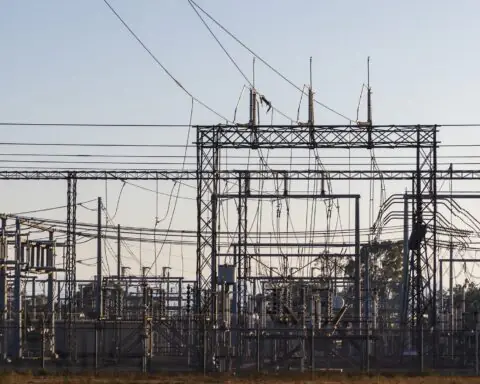
The Carolinas Grid Engine led by the University of North Carolina at Charlotte will help facilitate technologies that address the challenges of modernizing the electric grid.
The engine, which is supported by 100 regional partners across North Carolina and South Carolina, will focus on:
- Advancing use-inspired research and development.
- Accelerating commercialization of grid technologies.
- Strengthening domestic supply chains.
- Supporting entrepreneurship and venture creation.
- Creating workforce pathways and training programs.
- Improving grid reliability and resilience.
Aging power grids, built decades ago in many areas, struggle to handle today’s requirements, which are driven by population growth, new technologies, extreme weather and increasing electrification.
Examples of real-life challenges the program will attempt to solve include:
- Improving infrastructure to better accommodate a growing number of households with electric vehicles and improving the resiliency of infrastructure to severe weather events.
- Advanced research into artificial intelligence, sensors, data analytics and grid controls that are changing how energy systems operate. The Carolinas Grid Engine will research and adapt new technologies to help utilities better predict demand, identify problems quicker and improve efficiency.
- Exploring grid-enhancing technologies (GETs) that hold the potential to accommodate the surging load from data centers. GETs include software and hardware components that allow utilities to pass more electricity through existing infrastructure, increasing their capacity by as much as 50 percent.
York Technical College will serve as the workforce development partner for the Carolinas Grid Engine and will coordinate efforts across 36 counties in North Carolina and South Carolina.
The college, which has support from state-funded employment training programs, will prepare skilled workers through certificates, apprenticeships, and degree programs in industrial and engineering technologies.
Photo by Thampapon Otavorn from Pexels
For more of the latest from the expansive government marketplace, check Government Market News daily for new stories, insights and profiles from public sector professionals. Check out our national contracting newsletter here.