

The Missouri Department of Natural Resources (MoDNR) has published the latest version of the state’s energy plan, creating strategic through-lanes to implement transformative power generation improvements and adapt to a changing energy landscape.
The 2026 State Energy Plan projects that the state will retire more than seven gigawatts (GW) of generation capacity by 2050, yielding a loss of nearly a third of Missouri’s current electricity supply. That loss will be compounded by increased energy demand over the next 25 years as more GWs are interconnected to the grid. To address these challenges, MoDNR outlined a portfolio of actions to accommodate new large load commitments and ensure the state’s energy grid has the capacity needed to sustain future demand.
The plan is built on four key pillars establishing a core framework guiding Missouri’s resource allocation, investment decisions and actionable solutions to bolstering its projected energy shortfalls:
- Energy independence.
- Nuclear enablement.
- Grid reliability.
- Economic growth.
Achieving energy independence hinges on increasing in-state generation capacity, directly counteracting a decade of progress in shifting to a net importer from an exporter of electricity. By prioritizing in-state energy generation, Missouri intends to attract billions of dollars in new opportunities as the state amplifies the affordability and reliability of both existing and new resources.
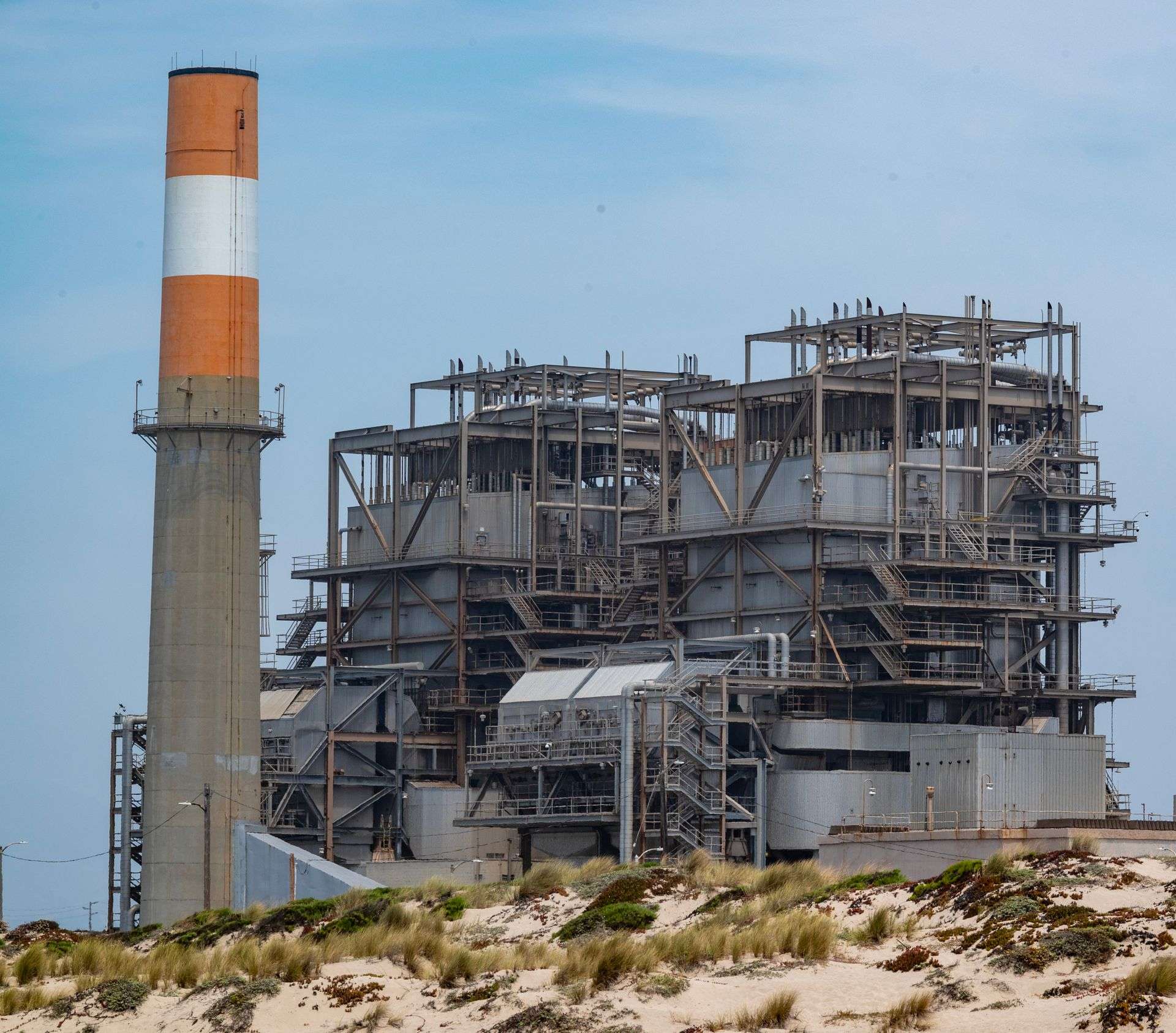
Solutions that may contribute toward this goal include repurposing retiring power plant sites to make use of existing infrastructure, transmission interconnections and workforce presence to replace capacity while supporting workforce development. Brownfield redevelopment stands out as another enticing option to add capacity while minimizing land-use and permitting conflicts.
The plan notes that the state should consider adjusting permitting and financing structures to appeal to developers and encourage in-state generation through streamlined approval systems.
Diversification through nuclear power ranks as another priority for MoDNR. The state has been losing dispatchable power in droves for years even as unprecedented electricity demand strains its grid.
Nuclear power generation provides another source of proven power to offset dependence on other forms of fuel while capitalizing on-demand and carbon-free resources. While the base cost of investment for nuclear power is steep, investment pays in long-term dividends that add dispatchable power while supporting grid reliability and energy independence.
Among the most coherent options to promote nuclear generation, the plan posits that Missouri can enact a series of policies to remove barriers obstructing expansion and better leverage opportunities laying the foundation for nuclear development, project delivery and commercialization. These policies will primarily address:
- Expanding sources of capital for development.
- Broadening ownership options.
- Mitigating risk and ratepayer impacts.
- Establishing an authority to help utilities and other entities co-develop nuclear projects.
- Implementing new technologies designed to support nuclear reactors.
- Accelerating the pace of development.
- Altering in-state regulatory capacity for materials and activities by becoming a Nuclear Regulatory Commission (NRC) Agreement State.
To make these other goals feasible, the state must place greater emphasis on grid reliability. The condition of the current electrical grid is facing a fall-off in available power, jeopardizing its ability to keep the lights on and systems running. To counteract the loss of legacy baseload and dispatchable power plants, Missouri must bolster the grid with increased investment in reliable power sources and interconnections.
Necessary investments will prioritize improvements across the state’s power ecosystem, including generation, transmission, distribution and energy efficiency. More importantly, the state needs to focus on maximizing the use of existing infrastructure. MoDNR recommends implementing clear and consistent guidance for optimal grid placement and operations, reviewing how to increase transmission system performance, streamlining interconnection pathways, creating a statewide energy efficiency program portfolio and accelerating development timelines.
Fostering energy independence, nuclear power generation and grid reliability serve as cornerstones for growing Missouri’s economic standing. Promoting in-state infrastructure redirects funding that would otherwise go toward other states to instead support Missouri jobs, taxes and economic development while lowering overall energy costs.
Ensuring households have access to stable, manageable electricity bills directly feed into stronger economic output by encouraging local spending and small business operations. The plan recommends designating Priority Energy Zones to guide investment toward suitable locations, improve project timelines and reduce costs. Additional efforts should include aligning policies to promote public and private investments in energy infrastructure.
MoDNR developed the Missouri State Energy Plan in coordination with the Missouri Advanced Nuclear Energy Task Force. The task force will play a critical role in executing the plan’s policy recommendations and will oversee the state’s strategic approach to nuclear energy development.
Photo by Joseph Russo from Pexels
For more of the latest from the expansive government marketplace, check Government Market News daily for new stories, insights and profiles from public sector professionals. Check out our national contracting newsletter here.