

Michigan is committing $89 million to clean up contaminated sediment and restore the Detroit and Kalamazoo rivers and other waterways across the state.
Gov. Gretchen Whitmer announced the Reclaim the Rivers initiative Oct. 1. The Michigan Department of Environment, Great Lakes and Energy (EGLE) and Department of Natural Resources (DNR) will oversee projects involving pollution cleanup, habitat restoration, recreational access and other river improvements.
Nearly $50 million will be directed toward cleaning up polychlorinated biphenyls (PCBs) in the Detroit River. Another $25 million will support projects in the Kalamazoo River watershed, while more than $14 million will be available for restoration projects elsewhere in Michigan.
The state said the investments are intended to address decades of industrial contamination in the Detroit and Kalamazoo rivers while improving fish and wildlife habitat and public access.
Detroit River
Michigan plans to use nearly $50 million for PCB cleanup in the Detroit River watershed and to leverage the investment to pursue additional public and private funding.
Under the federal Great Lakes Legacy Act, eligible state investments in contaminated sediment cleanup can be combined with federal funding. Michigan officials said the state’s contribution could leverage a nearly 2-to-1 federal match.
Planned work includes contaminated sediment removal, fish and wildlife habitat restoration, expanded boating access and improvements to public lands such as Belle Isle.
The initiative will also support efforts to close gaps in the Iron Belle Trail and reduce fish consumption advisories.
The Detroit River has a long history of industrial use, and contaminated sediment remains in portions of the waterway. Pollutants identified by the state include PCBs, polycyclic aromatic hydrocarbons and mercury.
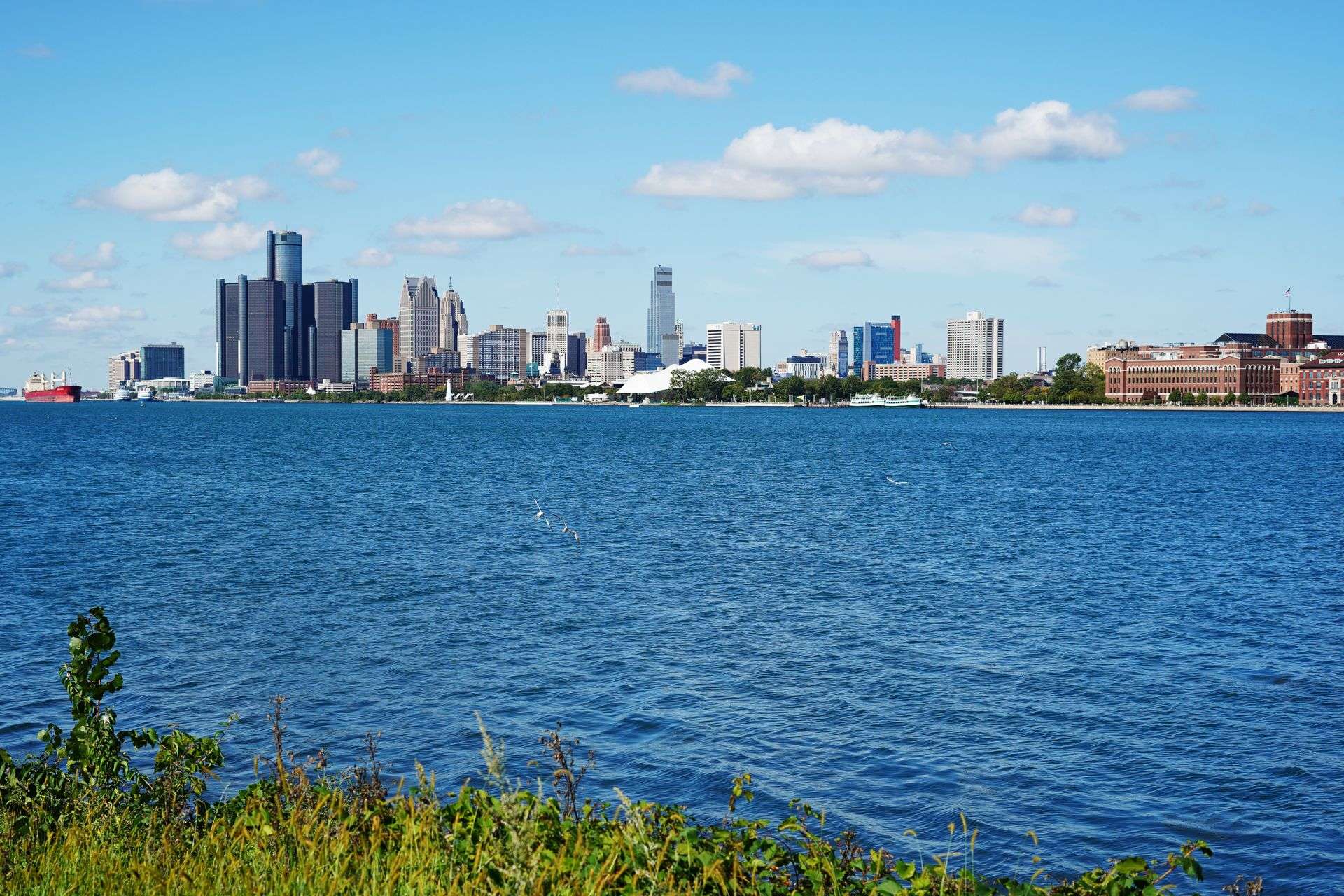
The state estimates Detroit’s riverfront already attracts about 3 million visitors annually and says additional cleanup and access improvements could support recreation and waterfront development.
Kalamazoo River
Michigan will direct $25 million from the Morrow Dam settlement toward sediment cleanup, habitat improvements and riverfront projects in the Kalamazoo River watershed.
Projects are expected to include dam removals and stream restoration in communities including Allegan, Otsego, Plainwell, Swan Creek and Trowbridge.
The state will also evaluate opportunities to expand boating access, protect land and improve fisheries along the river. The watershed connects communities with recreational destinations including the Allegan State Game Area and Fort Custer State Park.
The Kalamazoo River has experienced significant industrial contamination. In 2010, a pipeline ruptured and released about 1 million gallons of oil into a tributary of the river, resulting in one of the largest inland oil spills in U.S. history.
Statewide restoration fund
More than $14 million will be set aside for projects elsewhere in Michigan.
Eligible work will include dam removal, stream and wetland restoration, fish and wildlife habitat improvements and projects intended to help reduce fish consumption advisories.
EGLE and DNR have established joint teams for the Detroit and Kalamazoo river projects. The agencies will work with local governments, tribes, community organizations, industry groups, nonprofits and residents to determine how the funding is used.
The teams will develop short- and long-term plans for the two watersheds, with community input helping identify and prioritize individual projects.
Photo by Bruno Storchi Bergmann from Pexels
For more of the latest from the expansive government marketplace, check Government Market News daily for new stories, insights and profiles from public sector professionals. Check out our national contracting newsletter here.