

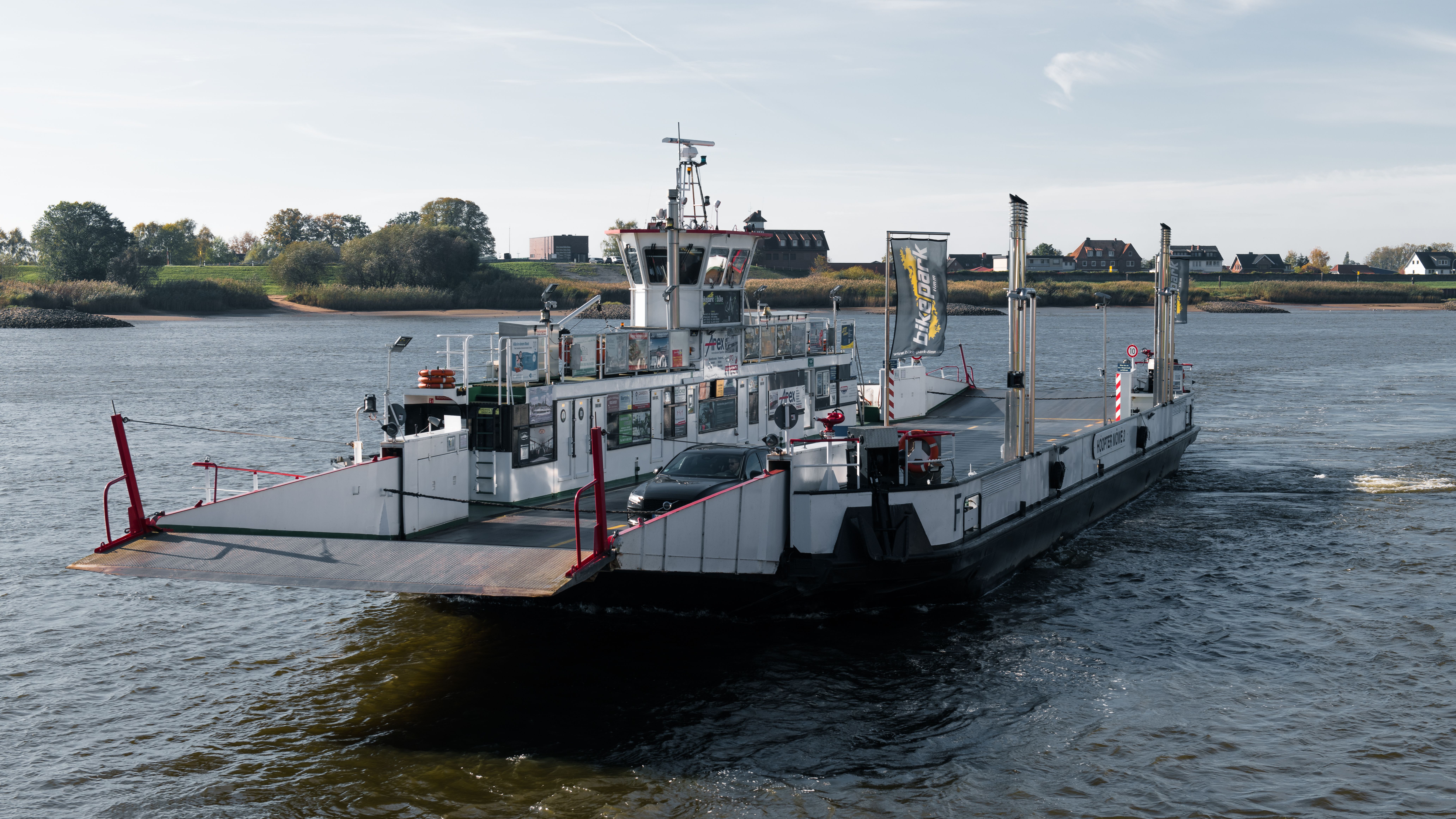
The Federal Transit Administration (FTA) has allocated $664.8 million to modernize ferry infrastructure across the nation.
The funding will support a total of 23 projects spanning 14 states and the U.S. Virgin Islands. These efforts will significantly improve and reinforce critical transit systems for communities that rely on them for passenger and freight movement. The Electric or Low-Emitting Ferry Pilot Program distributed awards across three categories:
- Ferry Service for Rural Communities Program – $454 million.
- Low- or No-Emitting Ferry Program – $107.3 million.
- Passenger Ferry Grant Program – $103.5 million.
Alaska is the single largest beneficiary of federal funding, receiving a combined $410.5 million for six rural ferry initiatives. Among these funded projects, the Alaska Department of Transportation and Public Facilities (DOT&PF) will spend $161.2 million to improve its marine highway system.
The project, titled “Restoring the Health of the Alaska Marine Highway System for Sustainable Operations to Rural Communities,” will support Alaska Marine Highway System (AMHS) operations for ferry services for more than 20 communities. The funding will enable the department to ensure vessel operations, crew, fuel and maintenance remain consistent with the AMHS 2045 Long Range Plan.
DOT&PF also received $153.4 million for the separate M/V LeConte Dayboat Replacement Vessel project. The department will use the funding to design and build a replacement for the M/V LeConte – a 235-foot-long, 57-foot-wide feeder vessel. The M/V LeConte is a small vessel capable of servicing communities unreachable by larger alternatives. The replacement will be more reliable, accessible, fuel efficient and designed for long-term fleet flexibility.
Outside of Alaska, the Virginia Department of Rail and Public Transportation (VDRPT) received $68 million to replace “Surry” – one of four ferries that cross the James River between James City and Surry counties. The 47-year-old vessel is nearing the end of its service life, struggling to meet capacity needs and accessibility requirements.
The Delaware River and Bay Authority (DRBA) will allocate its $30 million share to support the construction of a diesel-hybrid ferry for the Cape May – Lewes Ferry fleet. Estimated to cost a total of $78.6 million, the vessel will be a 75-car passenger/vehicle ferry that will replace the 40-year-old M/V Cape Henlopen.
Designed to be a green vessel, the replacement will utilize hybrid fuel technology to decrease emissions at sea, eliminate emissions while near port and docked, reduce fuel consumption by 35 percent and lower operating and maintenance costs. The vessel is estimated to achieve annual reductions of:
- 2,025 tons ofcarbon dioxide.
- 102.7 tons of nitrogen dioxide.
- 1.51 tons of fine particulate matter.
- 1.03 tons of hydrocarbons.
- 5 tons of carbon monoxide.
Photo by Wolfgang Weiser from Pexels
For more of the latest from the expansive government marketplace, check Government Market News daily for new stories, insights and profiles from public sector professionals. Check out our national contracting newsletter here.