

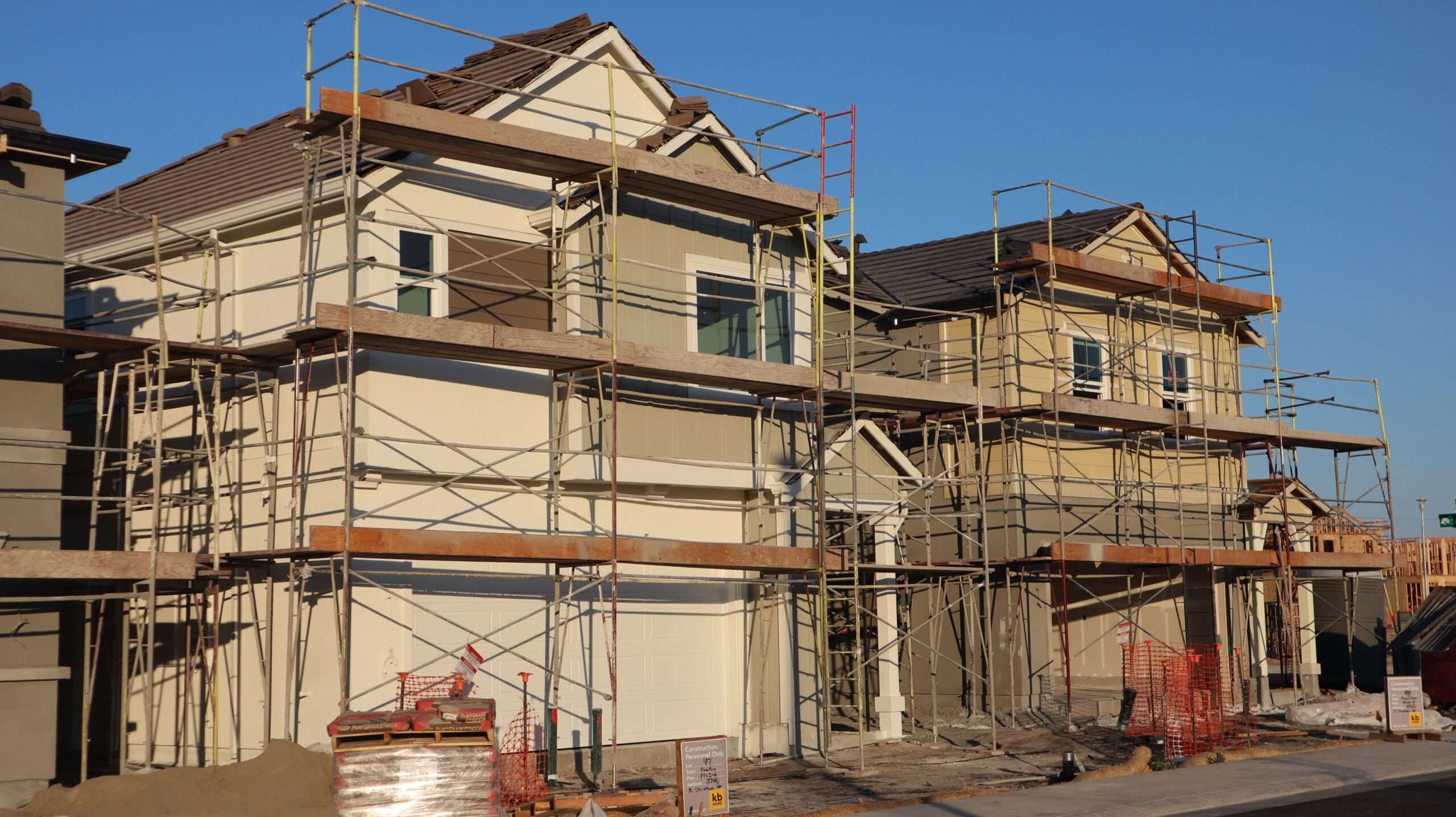
California announced $109.6 million July 23 to build 278 permanent supportive homes in Bakersfield, Contra Costa County, Fresno and Sacramento, with 103 of those homes set aside for veterans. The awards fall under the umbrella of the Homekey+ program and are administered by the California Department of Housing and Community Development (HCD).
Homekey+ derives from Proposition 1 (Prop 1), passed by California voters in 2024. That measure authorized $6.4 billion to expand housing and treatment capacity for residents with mental illness and substance use disorders. Homekey+ handles the measure’s housing funds, paying local governments and their development partners to build permanent supportive housing or convert existing buildings into it.
Prop 1’s $6.4 billion total is split between two purposes, with about $2 billion directed to housing and the balance going to treatment facilities. Homekey+ opened with about $2.145 billion, combining the Prop 1 housing money with funds from a separate state homelessness program. It has since committed $968.4 million across 54 projects expected to produce 2,749 homes, with 723 of them reserved for veterans.
When Prop 1 passed, the Newsom administration had anticipated the full $6.4 billion would reach local communities by 2026. The program, to date, has committed less than half the money available to it.
Much of that shortfall comes from the funding pool set aside for veterans. Homekey+ reserves about $1.033 billion for veteran-serving projects, but by late March, HCD had received requests for only about $360 million of it.
To combat this lull and increase demand, officials amended the funding notice, the document setting the program’s rules, several times. The most recent changes arrived March 27, with one of the more significant items being that developments the department had funded in past years can now apply if they set aside units for veterans.
Developers can also apply before securing federal tax credits, using a pending application rather than a completed award. HCD also raised its construction cost ceilings, asked for less matching money from developers building veteran units and agreed to help cover operating costs for those units longer than it does for others.
An earlier revision, in August 2025, had already moved veteran projects ahead of others in the review line.
On the other side of Prop 1, the lion’s share of funding goes to treatment rather than housing, coming in at about $4.4 billion. That track has finished its funding stage. The Department of Health Care Services (DHCS) awarded it in two competitive rounds under the state’s existing Behavioral Health Continuum Infrastructure Program (BHCIP), closing out the second and final round March 11.
DHCS announced the first round in May 2025 and has awarded $2.99 billion across 111 projects. The second added $1.18 billion across 66 more. Together, the state expects those awards to produce more than 6,900 residential treatment beds and 27,500 outpatient slots once construction finishes.
With the treatment awards fully distributed, that leaves Homekey+ as the only Prop 1 program still taking applications.
Prop 1 itself was not just a bond measure. Its second component rewrote California’s Mental Health Services Act, in place since 2004, renaming it the Behavioral Health Services Act. It redirects how counties spend their existing behavioral health dollars, with changes taking effect this month.
Those changes also help Homekey+ applicants. To win an award, a developer must show it has three years of operating money lined up from sources other than Homekey+. Funds from the new county plans now count toward that requirement. Under HCD’s scoring criteria, operating money carries more weight than any other category.
Prop 1 was written in the context of about 1.2 million adults in California living with a serious mental illness, with 1 in 10 residents meeting the criteria for a substance use disorder, both of which raise the risk of homelessness. State officials point to federal data as evidence the approach is working, citing a 2025 Department of Housing and Urban Development (HUD) assessment that found California cut unsheltered homelessness by 8,391 people, or 6.8%, the largest reduction of any state.
For local governments and their development partners, about $670 million of the veteran allocation remained unrequested as of late March. HCD reviews applications as they arrive until the money runs out and requires a consultation with program staff before anyone submits.
Photo by D Goug from Pexels
For more of the latest from the expansive government marketplace, check Government Market News daily for new stories, insights and profiles from public sector professionals. Check out our national contracting newsletter here.