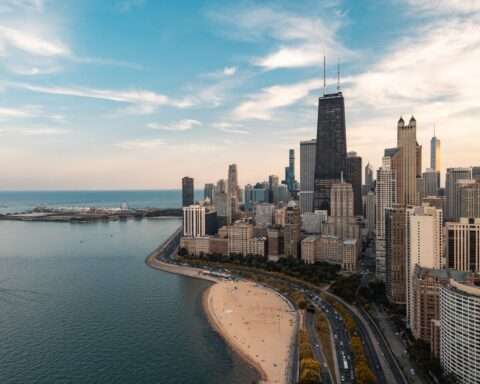


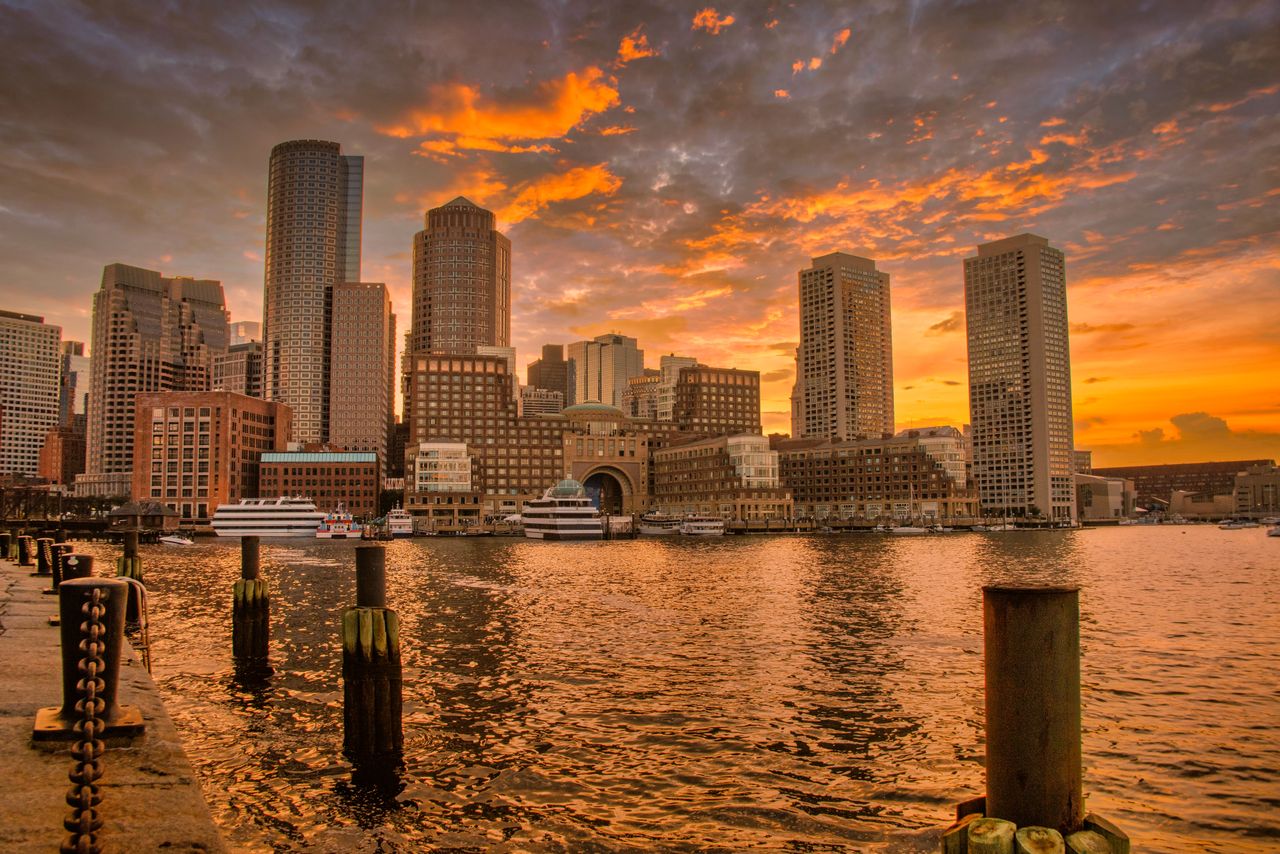
The city of Boston is on the road to securing billions in federal funding for its $10 billion Coastal Resilience Infrastructure plan following the draft release of the U.S. Army Corps of Engineers’ (USACE) Risk Management Feasibility Study for the project.
The study is projected to be completed by 2028 and could unlock federal investment to cover 65% of the cost-share. The USACE outlined a deep dive into Boston’s efforts to execute around $10 billion in infrastructure projects to protect 16 miles of shoreline and protect inland areas from extreme weather events. The document covered more than 20 coastal resilience projects that will prevent up to $41 billion in damages from coastal flooding.
Boston has lauded the initiative as one of the largest coastal flood protection systems in the nation. One sixth of Boston is in severe danger of flooding due to sea-level rise and natural disasters. The city has already experienced 24 severe storm events over the past 35 years – 14 of which resulted in significant, dangerous flooding.
The USACE noted that, while damage caused by flooding events haven’t been inconsequential, they are only expected to worsen in the future, with sea levels projected to rise as much as four feet by 2090. Currently, 20,000 structures and 40% of city residents are threatened by coastal flooding, with inland communities up to a mile from the shoreline expected to contend with severe flooding over the next 25 years without significant investments in resilience projects.
The report outlines some of the highest priority projects and infrastructure needed to mitigate these risks in the immediate and long-term future. Municipal efforts covered in the document include:
- Project locations to protect Boston from coastal flooding.
- Infrastructure project types recommended by the USACE, including floodwalls, berms and floodgates.
- Neighborhood characteristics that will influence which project types are implemented, such as environmental resources, cultural institutions and local history.
The city will prioritize projects that build floodwalls, retrofit individual buildings and implement policy changes that protect residents and the shoreline. Within the scope of the 16 miles targeted in the document, five neighborhoods will receive the most focus from the city for major resilience and infrastructure changes.
While the USACE has created three potential action plans, Boston has not yet finalized which alternative they will be proceeding with. The public will have the opportunity to provide feedback on the draft document until Sept. 18.
Photo by Mohan Nannapaneni from Pexels
For more of the latest from the expansive government marketplace, check Government Market News daily for new stories, insights and profiles from public sector professionals. Check out our national contracting newsletter here.