

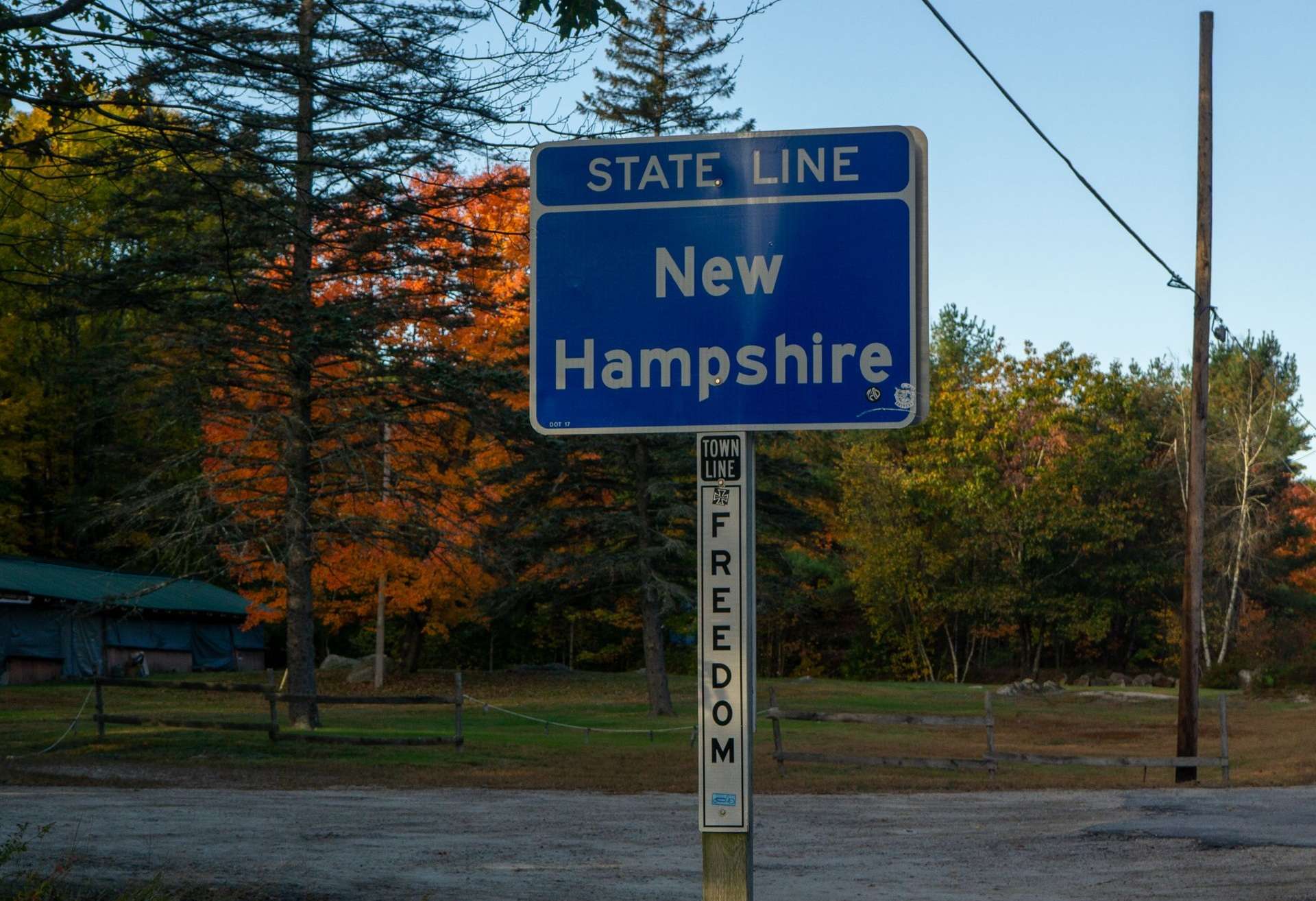
The State of New Hampshire has received federal approval designating 25 U.S. census tracts as Opportunity Zones (OZ).
The approval comes as part of the federal OZ 2.0 program which targets economically distressed areas in urban, rural and low-income areas for capital gains tax abatement incentives. New Hampshire nominated 25 out of 53 eligible tracts earlier this year for the program, with 17 of those being in rural communities.
Gov. Kelly Ayotte’s selections will represent all 10 counties in New Hampshire. The designations include:
- Hillsborough County – six approved census tracts.
- Strafford County – five approved census tracts.
- Coos County – four approved census tracts.
- Grafton County – three approved census tracts.
- Rockingham County – two approved census tracts.
- Belknap County – one approved census tract.
- Carroll County – one approved census tract.
- Cheshire County – one approved census tract.
- Merrimack County – one approved census tract.
- Sullivan County – one approved census tract.
These approved OZs will last a period of 10 years starting Jan. 1, remaining active through Dec. 31, 2036. New Hampshire will have the opportunity to nominate another batch of census tracts for the next OZ 2.0 round at that time.
OZ 1.0 was created as a pilot program in 2017 to spur investor, developer and financial institution investment in underserved and rural communities. Due to the program’s massive success resulting in $75 billion in capital gains, the one-time initiative was christened into a permanent staple of the federal government in July 2025.
Going forward, governors will be able to make new designations every 10 years, nominating up to 25 percent of eligible census tracts. Each tract must have a median family income (MFI) that is less than 70 percent of state or metro MFI. As an alternative, the tract may have a poverty rate greater than or equal to 20 percent and MFI less than or equal to 125 percent of state or metro MFI.
All investors will benefit from a standard five-year deferral plus 10 percent basis step-up for the program. They may defer portions of their taxes based on prior gains. Notably, if investments are within OZs and held for five years, the government will remove 10 percent of taxes on gains from investments. Any investments holding for seven years will increase that reduction by another 5 percent.
While OZ 1.0 and 2.0 are largely the same, the government made some alterations between the two programs. The Contiguous Tract Rule was removed from the 2.0 program, which originally permitted the designation of tracts next to or adjacent to other qualifying tracts. The program has also included new criteria for the receipt of Qualified Rural Opportunity Fund investments. Rural-area developers now only need to add another 50 percent in substantial improvements for properties at acquisition to qualify as an OZ.
Rural areas will also be offered a 30 percent step-up in basis after the 10-year period, building on the reduced substantial improvement threshold. OZ 2.0 will also detail which tracts are OZ rural areas. These are defined as any area outside of a municipality that has a population greater than 50,000 and any urbanized area contiguous and adjacent to a city or town.
New Hampshire’s next steps revolve around the Department of Business and Economic Affairs (BEA) promoting public engagement through community briefings and implementation workshops. BEA will coordinate with federal agencies to ensure leaders, officials and investors have access to technical guidance on project financing and capital deployment.
Photo by Matt Barnard from Pexels
For more of the latest from the expansive government marketplace, check Government Market News daily for new stories, insights and profiles from public sector professionals. Check out our national contracting newsletter here.