

With El Nino looming over the coming winter months, state Departments of Transportation (DOT) are preparing for snow, even as some states are expecting stormier, wetter weather.
State agencies are gearing up for wintertime operations predominantly by preparing personnel and updating critical equipment. Several DOTs have a head start as winter preparations have been well underway for months. Washington’s DOT (WSDOT) tackles this work as a year-round operation, with personnel staying on top of equipment and training in advance of the colder months.
WSDOT has roughly 1,500 highway maintenance employees working to keep highways passable. Hundreds of maintenance technicians, mechanics and area superintendents collaborate to inspect and repair equipment, order supplies, train crews and plan for upcoming storms once fall hits. The department coordinates with other state and local agencies to ensure response and recovery times are optimal and directed to the highest priority areas.
Pennsylvania is conducting similar preparations as the Pennsylvania Turnpike performs winter inspections at maintenance sheds across the system. The Pennsylvania DOT (PennDOT) is expanding its safety tools and technologies to ensure members of the public are as protected as possible in the coming months. These measures include:
- Expanding automated weather messaging corridors to alert drivers of roadway conditions.
- Alerting drivers of plow trucks and patrol vehicles in operations on roadways through the Waze platform.
- Providing truck drivers with vehicle restriction information while in effect during the winter season through a trucking information app.
In addition to winter guides and other useful documents to help Pennsylvania residents prepare for cold weather, nearly 4,700 workers will deploy salt throughout the winter to help melt snow. PennDOT has budgeted roughly $219.5 million for winter operations this year with plans to conduct winter inspections at maintenance sheds and provide round-the-clock winter operations and roadside assistance for anyone in need.
The Missouri DOT (MoDOT) conducted its own statewide winter weather drill in mid-October, providing critical training and preparation for the latter part of the year. Employees reacted to a simulated forecast of significant snow across the state, during which the state engaged emergency operations centers, deployed snow trucks, tested emergency communications systems and reenacted road and bridge clearing activities.
Ensuring all equipment, vehicles and materials are accounted for and adequately maintained across the DOT system is a common thread between all state activities. For instance, the Ohio DOT (ODOT) performed a mass inspection of all its snow-fighting equipment, taking the same opportunity to ensure all materials and drivers are adequately trained and equipped. ODOT deploys around 3,000 drivers during snow and ice events, with about 500 of those employees being seasonal. The department also plans to reassign employees that normally do other tasks to serve on teams of auxiliary drivers during inclement weather.
The California DOT (Caltrans), while in a traditionally warmer climate, has its own winter priorities set. Although the state at large typically experiences less severe winters, its mountain ranges are another story. The department has recently deployed helicopters to swap out heavy gas canisters atop Mount Downs near State Route 158. These canisters are used to trigger small avalanches, breaking up accumulated snow to prevent more severe avalanches that could block critical roadways.
Deviating from equipment and training, the Kansas DOT (KSDOT) is focusing on developing its available technology base. The department recently launched a Plow Locations Tool on the KanDrive.gov website showing active snowplow locations on state highways.
The website refreshes snowplow location data every minute and provides other tools for illuminating highway and weather conditions. In addition, KanDrive.gov will provide dashcam images of roadway conditions via cameras equipped to plow trucks. These 12 equipped vehicles appear as blue arrow icons on the website’s mapping tool, distinct from the other snowplows marked by orange arrows.
The Iowa DOT has spent the past four decades working with local farmers to use the state’s abundant corn fields to protect roadways from being overcome with snow. The Standing Corn Snow Fence Program leaves between six and 24 rows of winter resistant corn standing along key roadways to serve as a buffer that reduces or outright prevents snow from creating dangerous travel conditions along high-traffic corridors.
Farmers receive payment from the department based on market values for crop corn, alongside an additional $2 incentive per bushel. These snow fences have not only created safer driving conditions for decades, they’ve saved the state money in the long run. “Studies show that plowing snow costs 100 times more than trapping it with a snow fence, so these partnerships really pay off,” said Winter Operations Administrator Craig Bargfrede.
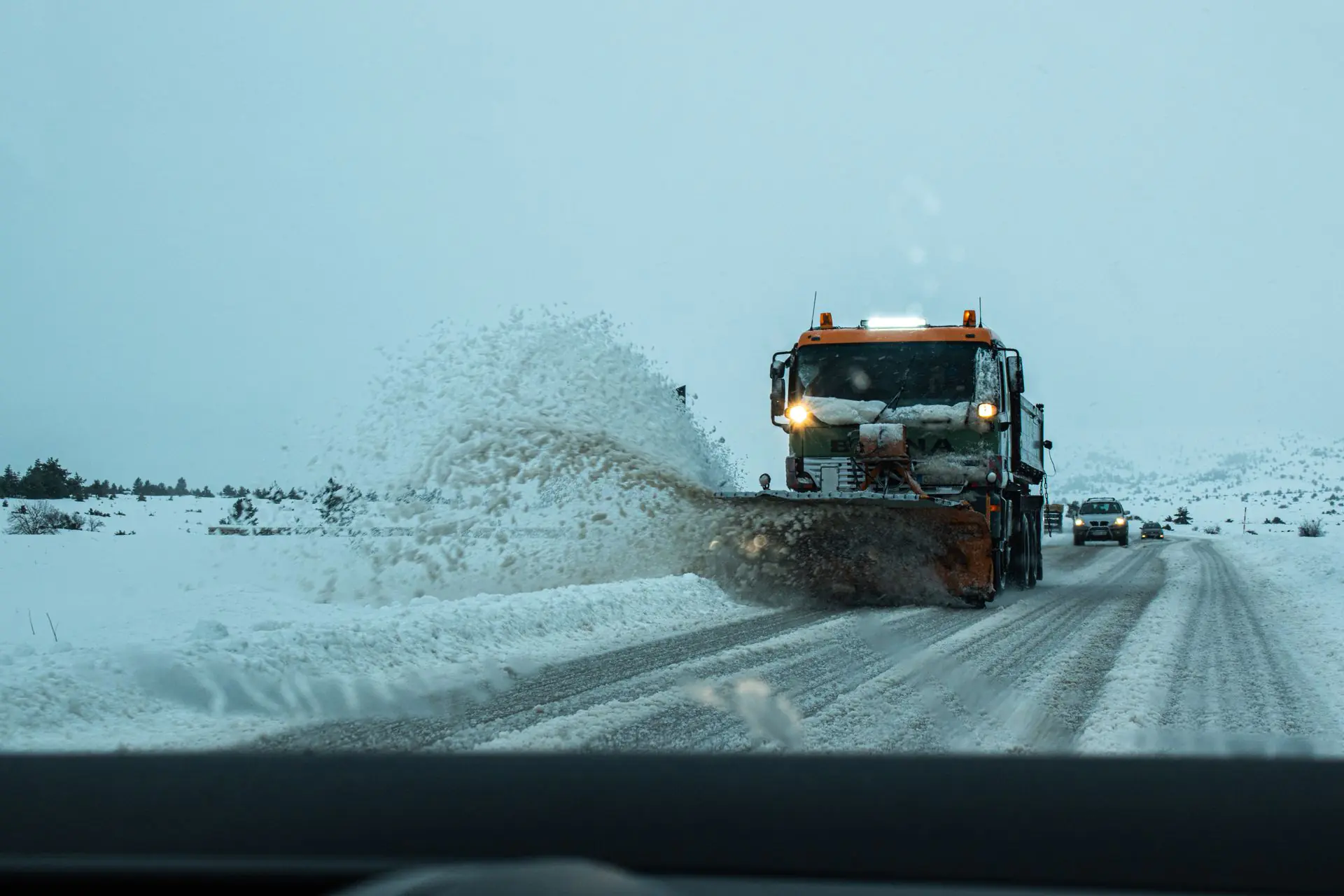
Photo by Antonio Tose from Pexels
For more of the latest from the expansive government marketplace, check Government Market News daily for new stories, insights and profiles from public sector professionals. Check out our national contracting newsletter here.