

Washington, D.C., is tightening oversight of shared electric scooters and bicycles with new fines targeting improperly parked devices, blocked pedestrian access and failures to meet fleet deployment requirements.
The District Department of Transportation (DDOT) issued final regulations Oct. 23 establishing operator fines of up to $100 and revising subsidized service for eligible low-income riders. The changes apply to shared electric scooters and bicycles, small vehicles commonly grouped under the term “micromobility.” Additional regulations addressing speeds, sidewalk riding and operator permits are expected in the coming months.
The regulations come amid complaints about fast-moving scooters and bicycles on sidewalks, improperly parked devices and dangerous riding. Councilmember Charles Allen said residents had raised concerns about speeds, riding behavior and parking, and urged DDOT to strengthen penalties for repeat dangerous riders and accountability for operators, according to his Oct. 3 constituent newsletter. Columbia Heights’ Advisory Neighborhood Commission also called for stronger enforcement earlier this year.
Those concerns have accompanied substantial growth in use. Riders took more than 12.4 million trips on the District’s privately operated shared scooters and electric bicycles through September, a 33.4 percent increase over the same period in 2025, according to a Greater Greater Washington analysis of DDOT’s published trip data. More than 5.3 million trips occurred during July through September alone.
Hopp, Lime and Veo currently serve the District through its Shared Fleet Device Program. The program permits private companies to deploy rental vehicles in public space and operates separately from Capital Bikeshare, which provides publicly owned docked bicycles and electric bicycles. DDOT oversees the private operators’ fleet distribution, deployment and compliance with program requirements.
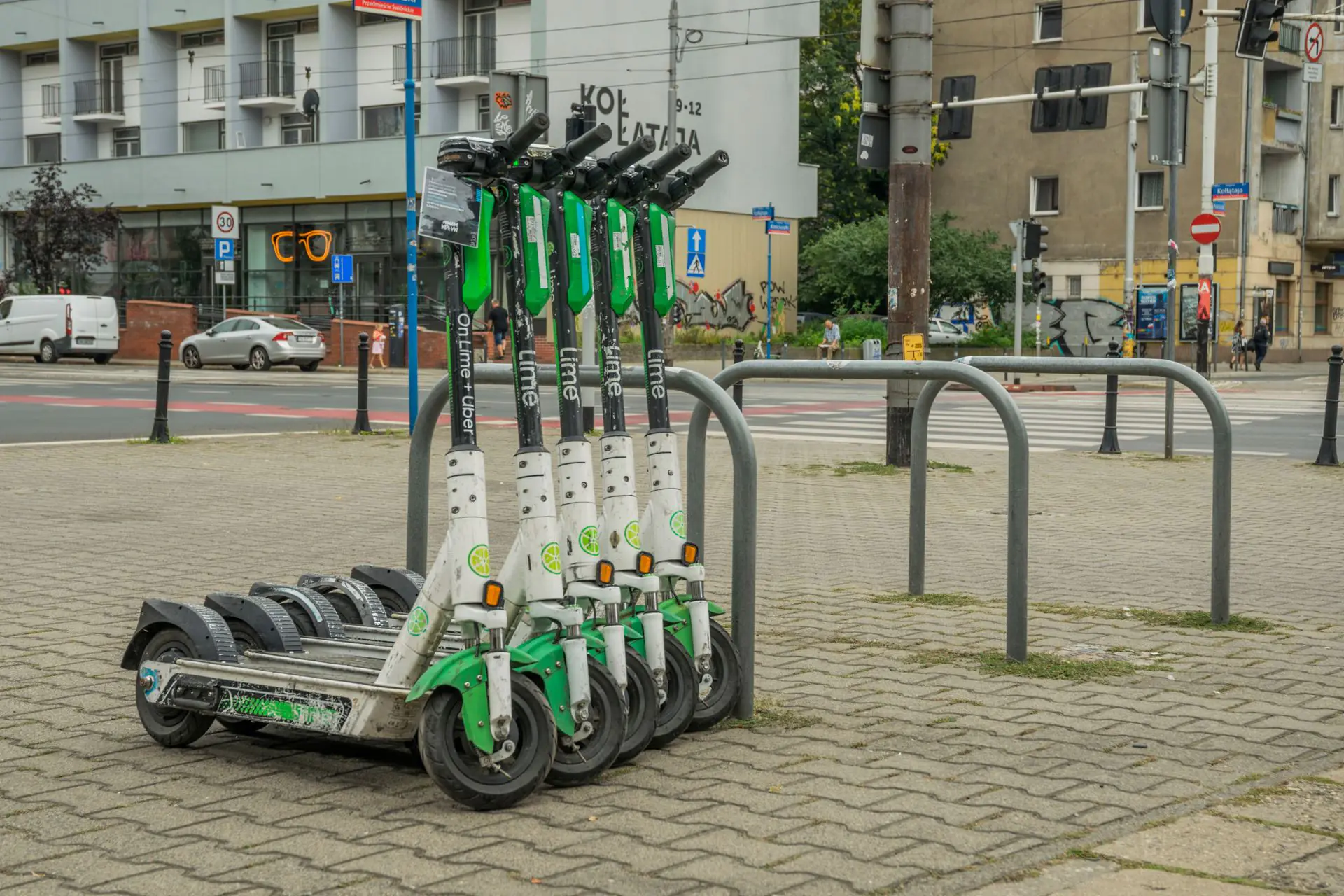
The new penalties address both where devices are left and how operators respond when problems are reported. Violations include improper parking, failure to promptly relocate improperly parked devices, obstruction of pedestrian access routes and bicycle lanes, and failure to meet required deployment standards. DDOT said the fines are intended to give companies a stronger financial incentive to manage their fleets and comply with program requirements.
District law already requires operators to remove or reposition illegally parked devices within two hours after receiving notice from DDOT, another government agency or the public. Companies also must maintain a 24-hour toll-free customer service line for complaints and reports of inoperable or improperly parked devices. Existing parking requirements call for devices to remain upright, use a locking mechanism and leave at least three feet of unobstructed pedestrian walkway while preserving access to entrances, driveways, accessible ramps and accessible parking spaces.
Fleet distribution is another part of the District’s oversight framework. Existing law generally requires operators to deploy at least 3 percent of their fleets in each of the District’s eight wards during a designated early-morning period, with an exemption for operators with fewer than 200 permitted devices. The newly announced fines include violations of required fleet deployment standards.
Other cities have tightened shared scooter rules through fleet limits, nighttime restrictions and technology requirements. Austin reduced its permitted scooter fleet from 8,700 to 6,700 in May 2024 and cut the number allowed in its downtown zone from 4,500 to 2,250. A December 2024 city staff review reported less sidewalk clutter and fewer service requests downtown, alongside a 14 percent decline in trips within that zone.
Use of shared scooters can surge during festivals and major events. Austin recorded more than 122,000 scooter trips across the two weekends of the 2023 Austin City Limits Music Festival and about 142,500 during South by Southwest that year. The city subsequently installed designated parking boxes along Congress Avenue and began working with operators on technology to prevent riders from ending trips outside designated areas.
Orlando prohibits shared scooter and bicycle riding and parking along its downtown Orange Avenue entertainment corridor from 8 p.m. to 4 a.m. Friday through Sunday. Seattle updated operator permits in April 2026 to require technology detecting reckless riding and more accurate GPS to support parking enforcement and automatic speed restrictions. Seattle’s requirements call for the riding-detection technology to be deployed across all devices by the end of 2026.
The National Association of City Transportation Officials recommends that cities use operator contracts to enforce affordability and equitable fleet distribution requirements and invest in staff to oversee shared mobility programs. Its separate regulatory guidelines call for deadlines to remove obstructing or unsafe devices and operator parking plans for special events. The association also recommends that cities retain authority to remove vehicles at an operator’s expense when companies fail to respond or equipment poses a public safety risk.
D.C.’s regulations also change how participating companies provide discounted transportation to eligible low-income customers. Riders enrolled in the low-income customer plan will receive 300 minutes of monthly ride credit, followed by a 50 percent discount after those minutes are exhausted. Unused minutes will not carry over to the next month.
DDOT directed operators to begin transitioning existing low-income accounts to the new structure immediately. The agency said the monthly allowance gives participants flexibility in how they use their subsidized travel and mirrors the approach of the Capital Bikeshare low-income program. The Oct. 23 announcement did not specify a completion date for transitioning all existing accounts.
The next round of regulations will address vehicle speeds, sidewalk riding, permit application procedures, permit terms and performance thresholds for fleet increases. DDOT said those provisions will respond to public comments on proposed regulations published Sept. 4. The agency expects to issue the additional rules in the coming months and directs interested companies to its shared mobility website for permit deadlines and schedules.
Photo by SHOX ART from Pexels
For more of the latest from the expansive government marketplace, check Government Market News daily for new stories, insights and profiles from public sector professionals. Check out our national contracting newsletter here.