

Colorado will allocate $44 million from oil and gas production fees to expand transit services in the Denver metro area. This represents one of the first major disbursements from a new state funding stream established after lawmakers brokered a 2024 agreement between energy companies and environmental groups.
The Colorado Clean Transit Enterprise awarded the grant to Denver’s Regional Transportation District (RTD) to increase bus frequency, extend service hours and add or restore routes across the region. RTD estimates these improvements will generate nearly 3.8 million additional rides in 2027 and could eventually support more than 6.5 million additional rides annually.
This funding originates from Senate Bill 24-230, a 2024 law requiring Colorado oil and gas producers to pay a quarterly production fee for clean transit. The fee, which took effect on July 1, 2025, is calculated based on average quarterly prices for West Texas Intermediate oil and Henry Hub natural gas.
SB 24-230 emerged from a compromise that helped prevent competing 2024 ballot measures from the oil and gas industry and environmental groups. Industry-backed measures would have limited state and local restrictions on natural gas and other pollution sources, while environmental groups sought measures to increase oil and gas liability and enforcement. The compromise instead created a fee-backed funding stream for transit, rail and conservation.
Under SB 24-230, 70 percent of clean transit fee revenue is directed to a local transit operations fund, 10 percent to a competitive local transit grant program, and 20 percent to passenger rail. The main formula grant program is projected to grow from approximately $37 million in Fiscal Year 2026 to over $70 million annually by Fiscal Year 2027 and beyond.
This new RTD award follows a $9.3 million grant announced in May, which RTD described as the first award under the SB 24-230 formula grant program. That earlier award supported June service changes, including increased frequency, restored routes, a new Longmont-to-Denver International Airport connection and additional service for high-volume events.
While Colorado has a history with transit, its larger state-supported push is relatively recent. Denver’s RTD was established in 1969, and its first light rail line opened in 1994. Voters approved the region’s major FasTracks rail and bus expansion plan in 2004. The state launched Bustang, its intercity bus network, in 2015. SB 24-230 adds another layer: recurring state funding for operations, including the frequency and service hours that enhance transit usability.
The $44 million grant will support more frequent service on routes serving corridors such as East Evans Avenue, Buckley Road, Alameda Avenue, South Downing Street, University Boulevard, West 38th Avenue, Hampden Avenue, Monaco Parkway, Wadsworth Boulevard, and Havana Street. RTD also plans longer service hours on routes serving Broadway and Mississippi Avenue, expanded or new service along Sheridan Boulevard, service between Central Park and the Anschutz Medical Campus and service along 72nd Avenue and South Kipling Street.
The award also supports higher frequency on the Flatiron Flyer between Denver and Boulder and service between Boulder and Denver International Airport. Denver and Boulder are approximately 30 miles apart, making this corridor one of the state’s most visible tests of whether more frequent transit can compete with car trips along the Front Range.
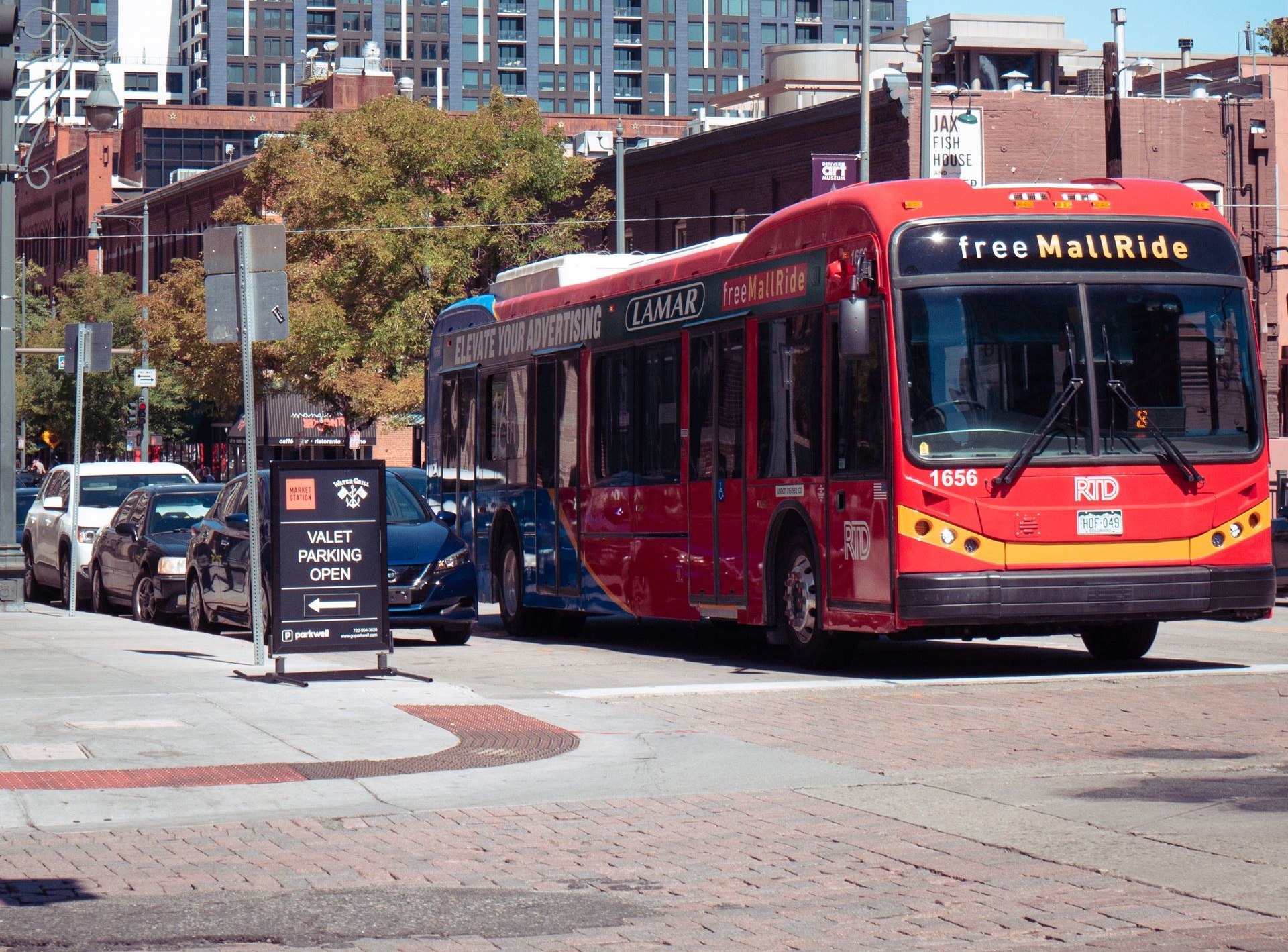
Photo by Amaury Michaux from Pexels
For more of the latest from the expansive government marketplace, check Government Market News daily for new stories, insights and profiles from public sector professionals. Check out our national contracting newsletter here.