

The U.S. Department of Transportation (USDOT) has published its 2026 National Roadway Safety Strategy (NRSS), marking its latest effort to reduce traffic fatalities and injuries, and empower law enforcement.
The nation has seen encouraging improvement over the past several years in regard to lowering total traffic deaths, reaching their lowest fatality rate in 2025 since 2019. USDOT framed the NRSS around three core pillars – safer people, roads and vehicles – serving as guideposts for policy work and key actions featured in the plan.
Keeping people safe highlights a renewed focus on rural areas and Tribal lands, with an emphasis on protecting families and supporting emergency responders and law enforcement. Communities in these areas receive disproportionately less support and resources compared to larger population centers, leading to higher collision and casualty rates.
Going forward, USDOT will prioritize engagement with Tribal communities to promote roadway safety resources and offer information on transportation topics. The department will also spur greater investment in tools, resources and technical assistance for rural communities.
The department will also promote safety initiatives to protect families, laying the foundation to ensure everyone makes it back home safely while protecting essential transportation workers along roadways. Plans include prioritizing safety initiatives such as educational and outreach campaigns, stricter enforcement against illegal school bus passing and deploying effective countermeasures.
Law enforcement will play a major role in these efforts as USDOT continues to implement the Pathways to Safer Streets action plan and expand motor vehicle enforcement to mitigate dangerous driving. USDOT also plans to implement 911 call-taking protocols and pre-hospital blood transfusion capabilities to better support emergency responders.
Efforts to create safer roads as part of the NRSS’ second key pillar largely revolve around improving road design through innovative, evidence-based solutions. These include improving nighttime visibility, work zone safety measures, improved traffic flow, reduced travel delay and training. Aside from incorporating design practices that deploy life-saving countermeasures and remove high-risk road conditions, USDOT will incorporate Intelligent Transportation System (ITS) technologies and Transportation System Management and Operations (TSMO) to further mitigate crashes.
Trucking and other commercial vehicle operations are a focal point for creating safer road conditions. USDOT plans to bring truck parking initiatives to the forefront, securing safe and efficient goods movement by expanding truck parking availability. The department will also further tamp down on vetting commercial drivers, bolstering compliance standards and increasing investigative efforts to ensure only the best drivers are allowed to operate on the road.
Creating safer vehicles composes the final pillar of the plan as USDOT prioritizes integrating cutting-edge technologies to increase survivability and crash mitigation. The NRSS pursues the fundamental goal of bringing roadway fatality and injury rates to zero, hinging a significant portion of those efforts to avoid or mitigate the damage and harm of collisions. The introduction of increasingly advanced lifesaving technologies – seatbelts, airbags, improved braking, fuel system integrity and so on – has historically proven to be among the leading contributors to lower roadway deaths for decades.
Introducing new technologies into the travel fleet is a slow but worthwhile process. USDOT will encourage the integration of these solutions into new vehicles, standardizing and modernizing safety technology measures. To further conduct these improvements, the department will leverage advanced crash test dummies in federal crash testing environments to improve overall protective measures for vehicle occupants. The department will also modernize safety and fuel economy standards, prioritizing performance standards over design-forcing rules.
USDOT’s final main measure to promote roadway safety centers around deploying and promoting the use of automated vehicles (AVs). The plans notes that the department will execute a national AV strategy and issue updated guidance to support the implementation of Automated Driving Systems (ADS) across the nation. Additional work will consist of developing a unified national regulatory environment for AVs, starting by removing legacy barriers and identifying outdated safety requirements that may pose as obstacles toward nationwide adoption.
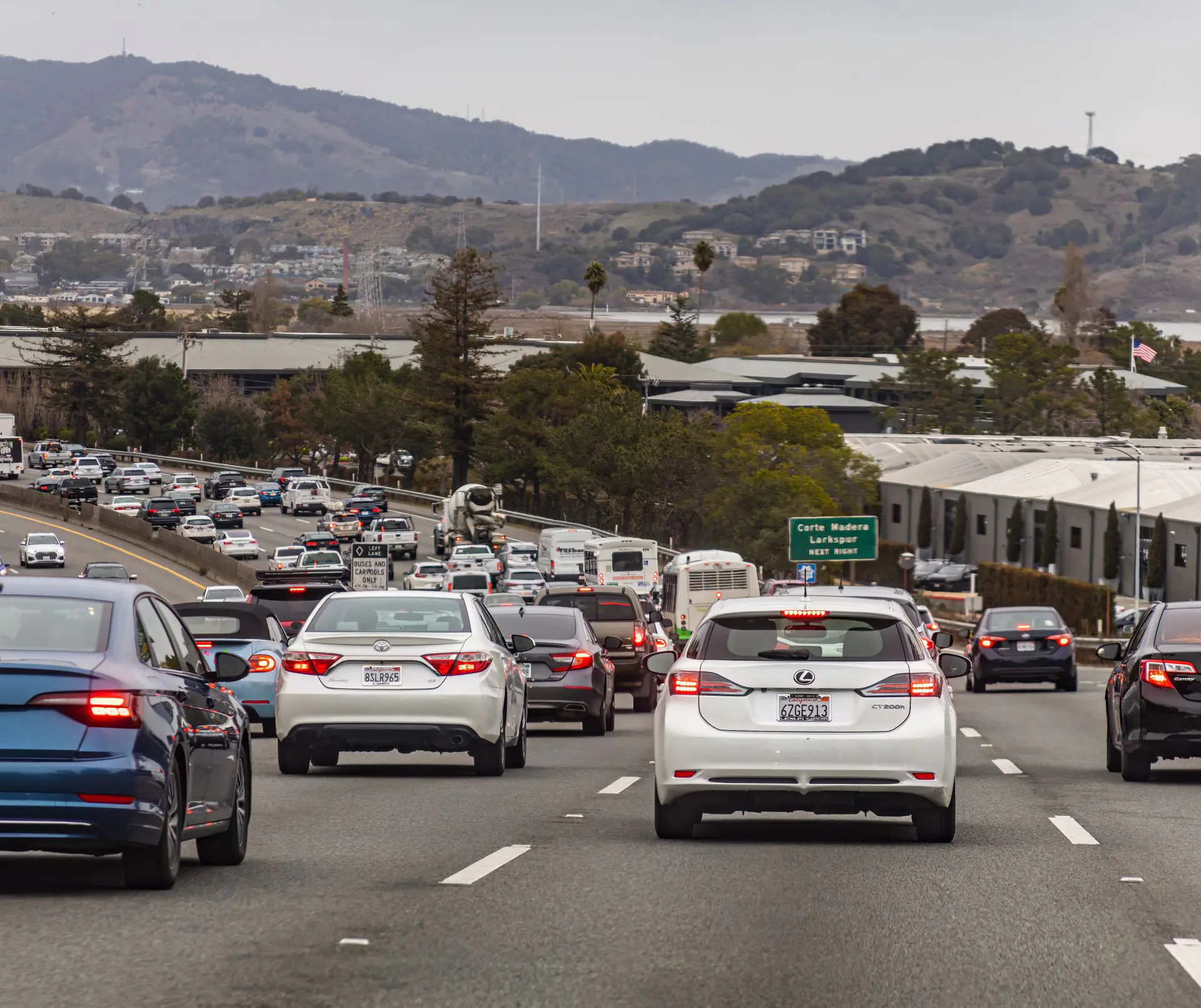
Photo by Robert So from Pexels
For more of the latest from the expansive government marketplace, check Government Market News daily for new stories, insights and profiles from public sector professionals. Check out our national contracting newsletter here.