

The state of California will invest $95.2 million to expand zero-emission vehicle (ZEV) infrastructure across the state.
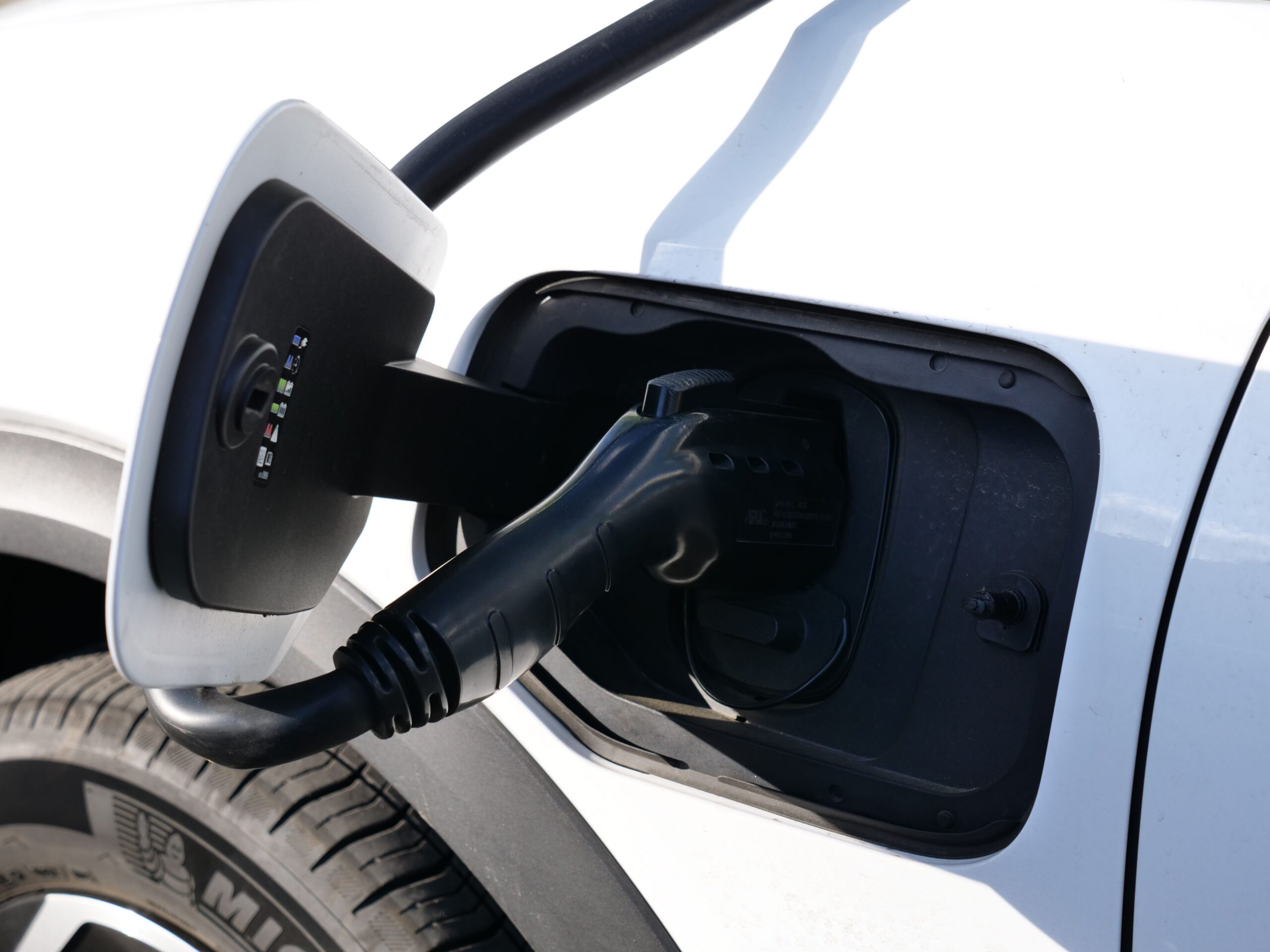
Projects receiving funding will prioritize EV charging and hydrogen refueling infrastructure, providing light-, medium- and heavy-duty ZEVs with greater, more reliable access to essential charging options.
The California Energy Commission (CEC) recently approved the funding, providing direct support for projects in the current fiscal year while projecting future allocations through 2028 and 2029. The investment represents the state’s latest effort to promote clean EV expansion, building on recent announcements to provide instant rebates for residents buying their first ZEV through the MyFirstEV program.
The funding will be distributed across four core categories. These include:
- Light-duty EV charging infrastructure, including direct current (DC) fast charging and at- or near-home charging – $48 million.
- Medium- and heavy-duty ZEV infrastructure, targeting freight, port, public fleet and school bus infrastructure – $30.2 million.
- Hydrogen refueling – $15 million.
- ZEV workforce training and development – $2 million.
The state is requiring that at least half of the program funds must directly benefit low-income residents and those located within low-income and disadvantaged communities.
The latest push comes as part of a concerted effort to pivot from fossil fuel-based technologies and adopt clean alternatives in the transit and transportation sectors. California remains the leader in expanding EV and hydrogen refueling technologies. Since the Clean Transportation program began in 2009, the state has planned or installed more than 52,000 EV chargers and built over 100 stations for light-, medium- and heavy-duty fuel cell EVs.
“Tailpipe emissions from transportation account for roughly 50 percent of the pollution dirtying our air and harming the climate,” said California Energy Commissioner Nancy Skinner. “The faster California can build out ZEV infrastructure, giving drivers the confidence they need to get off of gas-powered vehicles, the quicker we can clean the air and improve public health.”
California currently has more than 216,000 publicly available and shared EV charging ports. Between the most recent investment in charging infrastructure and its previous purchasing support through the MyFirstEV program, California is making it easier for residents to buy ZEVs by making vehicles more affordable and ensuring charging infrastructure is readily available.
Photo by Giant Asparagus from Pexels
For more of the latest from the expansive government marketplace, check Government Market News daily for new stories, insights and profiles from public sector professionals. Check out our national contracting newsletter here.