

Wisconsin has announced more than $371 million in preliminary financial assistance for drinking water infrastructure projects in 80 communities, supporting water treatment improvements, pipeline replacements and efforts to remove harmful contaminants.
Gov. Tony Evers and the Wisconsin Department of Natural Resources (DNR) announced the funding through the state’s Safe Drinking Water Loan Program for Fiscal Year 2027.
The funding will help municipalities construct and upgrade drinking water infrastructure, including facilities designed to address contamination from per- and polyfluoroalkyl substances (PFAS) and manganese. Small and disadvantaged communities are among the program’s priorities.
The preliminary funding list will be finalized after a 30-day period during which municipalities may request a reevaluation of their project priority scores.
Among the projects identified for funding are:
- Grantsburg – $5.8 million: The village in Burnett County will construct a new water treatment facility to address manganese contamination at Wells 1 and 2. The allocation includes approximately $4 million in principal forgiveness and $1.7 million in subsidized loans.
- Hazel Green – $1.7 million: The Grant County village will replace deteriorating and unreliable water mains at multiple locations. The allocation includes approximately $748,500 in principal forgiveness and $914,900 in subsidized loans.
- Marshfield – $11.2 million: The Wood County city will construct a new water treatment plant at its southside wellfield to remove PFAS contamination. The allocation includes $7 million in principal forgiveness and approximately $4.2 million in subsidized loans.
The Safe Drinking Water Loan Program provides municipalities with affordable financing for infrastructure projects intended to improve water quality and protect public health.
Principal forgiveness reduces the amount a municipality must repay, while subsidized loans provide financing at below-market interest rates.
Since the program began in 1998, the DNR and Wisconsin Department of Administration have provided nearly $2 billion in financial assistance to municipalities.
Funding for the latest round includes federal capitalization grants through the Drinking Water State Revolving Fund.
The federal contributions include $6.6 million in base Drinking Water State Revolving Fund funding, $42.6 million in supplemental funding through the Bipartisan Infrastructure Law and $13.2 million designated for emerging drinking water contaminants, including PFAS.
Wisconsin also authorized an additional $731.6 million in borrowing for its State Revolving Fund programs in the 2025-27 biennial budget. The financing supports both the Safe Drinking Water Loan Program and the Clean Water Fund.
The additional borrowing comes as supplemental federal infrastructure funding approaches the end of its authorized funding period.
The state also has expanded efforts to address PFAS contamination through separate funding initiatives.
In April, Evers signed two bipartisan laws designed to facilitate the release of $125 million previously approved for PFAS-related investments.
The DNR subsequently launched grant programs to support PFAS testing in private wells and public water supplies.
Separately, Wisconsin released approximately $10 million from its PFAS Trust Fund in September to assist communities affected by contamination associated with Tyco Fire Products’ Fire Technology Center in Marinette County.
That funding is intended to support drinking water treatment, contaminated well replacement and related testing.
The $371 million in preliminary Safe Drinking Water Loan Program assistance will be awarded to municipalities over the next year, with funds disbursed as eligible project costs are incurred.
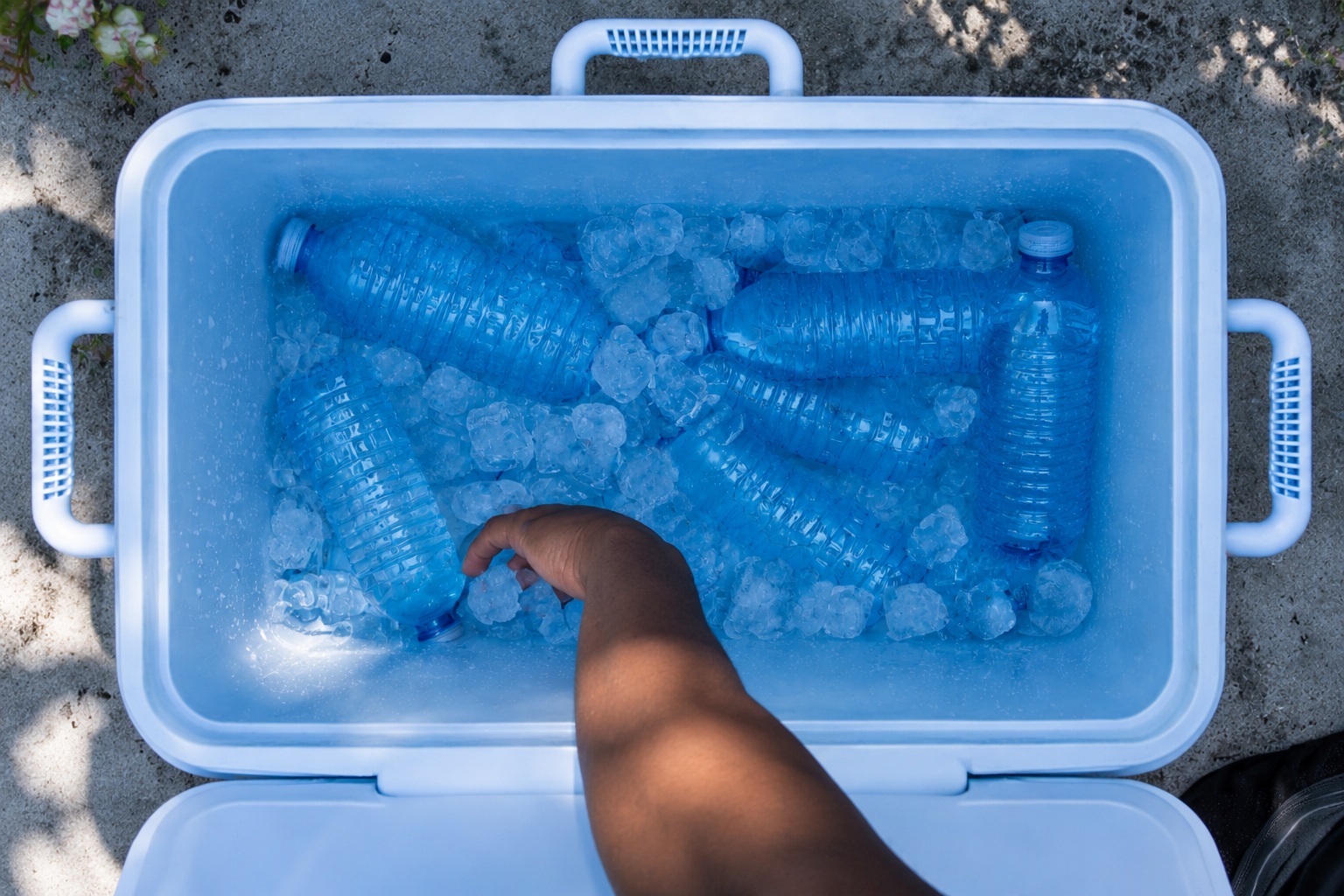
Photo by PNW Production from Pexels
For more of the latest from the expansive government marketplace, check Government Market News daily for new stories, insights and profiles from public sector professionals. Check out our national contracting newsletter here.