

The Department of Energy’s (DOE) Office of Nuclear Energy recently distributed $49.7 million across 10 university-led projects designed to develop nuclear safety training programs and curricula.
Officials anticipate that the nuclear energy sector will experience unprecedented job growth over the next 25 years. As the United States prepares for an influx of nuclear energy, it will need a qualified workforce to supplement the booming industry, according to federal officials. To meet that demand, the DOE launched the Nuclear Reactor Safety Training and Workforce Development Program (NRSTWDP) to provide up to $100 million to support nuclear safety training and curricula nationwide.
Nuclear energy sits at the forefront of effective power generation, accounting for roughly 20% of total annual electricity generation in the United States with significantly lower fuel costs compared to fossil steam. The nation produced around 815 terawatt-hours (TWh) in 2024 alone, which is only expected to rise as the federal administration continues to push a revitalization of the nuclear industrial base.
The NRSTWDP embraces partnerships between higher education institutions, industry and national laboratories. This indicates a dramatic shift to promote federal and higher education partnerships as the nation remains on track to position the nation as a global leader in nuclear energy. Scheduled to increase capacity from 100 gigawatts of electricity (GWe) to 400 GWe by 2050, the United States has signaled its intent to innovate reactor technologies and aggressively pursue rapid infrastructure expansion.
The program emphasizes collaborations with academic institutions within 50 miles of an active nuclear power plant. Ensuring that the nation embraces the next generation of nuclear industry workers is imperative as power plants extend their lifespan that stretches the need for long-term maintenance and sustainability. The program has three primary goals it seeks to achieve:
- Ensuring the nuclear fleet has a prepared workforce to maintain safe and efficient operation.
- Create or expand upon one or more industry-recognized nuclear reactor safety credential upon one or more industry-recognized nuclear reactor safety credentials.
- Create consortia to close gaps between skilled training needs and the current nuclear workforce.
The $49.7 million injection accounts for nearly half of the NRSTWDP’s reservoir, covering the first round of funding. The second round of funding is slated to open later this year.
The DOE awarded a combined $37.5 million to North Carolina State University and the University of Toledo to support demonstration and implementation initiatives.
The University of Toledo will use its $19.2 million share to support The Great Lakes Partnership to Enhance the Nuclear Workforce (GLP). The partnership will prioritize improving the current safety training pipelines for the reactor workforce, attract qualified professionals to the nuclear sector, modernize curricula and establish industry recognized nuclear reactor safety certifications.
North Carolina State University will allocate $18.3 million to the Consortium for Reactor Safety Training (CRεST). The consortium will develop solutions to give local communities a voice in discussions about nuclear energy while simultaneously educating and informing them.
The remaining $12.2 million will be divided up among eight universities to support training needs and curriculum development. Recipients include:
- Pennsylvania State University will address critical gaps in the nuclear industry workforce by creating an educational certificate program and associated certification.
- University of Tennessee at Knoxville will support industry recognized training and certification through an updated curriculum and instruction program.
- Purdue University will establish a curriculum on Nuclear Quality Assurance, System Integrity Management and Reactor Safety Analysis.
- University of Illinois, Urbana-Champaign will develop an innovative nuclear cybersecurity education capability.
- Washington State University will establish an education program to address workforce gaps in the nuclear energy sector. The Reactor Ready Training Program will ensure students receive the training they need for nuclear power plant operations, safety and other industry needs.
- University of Nebraska-Lincoln will create nuclear engineering courses and establish an industry recognized certification in nuclear reactor safety. The university will also promote community outreach and learning and internship opportunities.
- Rensselaer Polytechnic Institute will fund the RENEW partnership program to improve workforce training and safety education, offer innovative educational programs and support public awareness of the nuclear industry.
- Maine Maritime Academy will establish a Center for Education and Training of the Nuclear Merchant Mariner. The center will include a Nuclear Engineering Technology program, a reactor operator course approved by the International Maritime Organization and address the feasibility of a floating nuclear power plant.
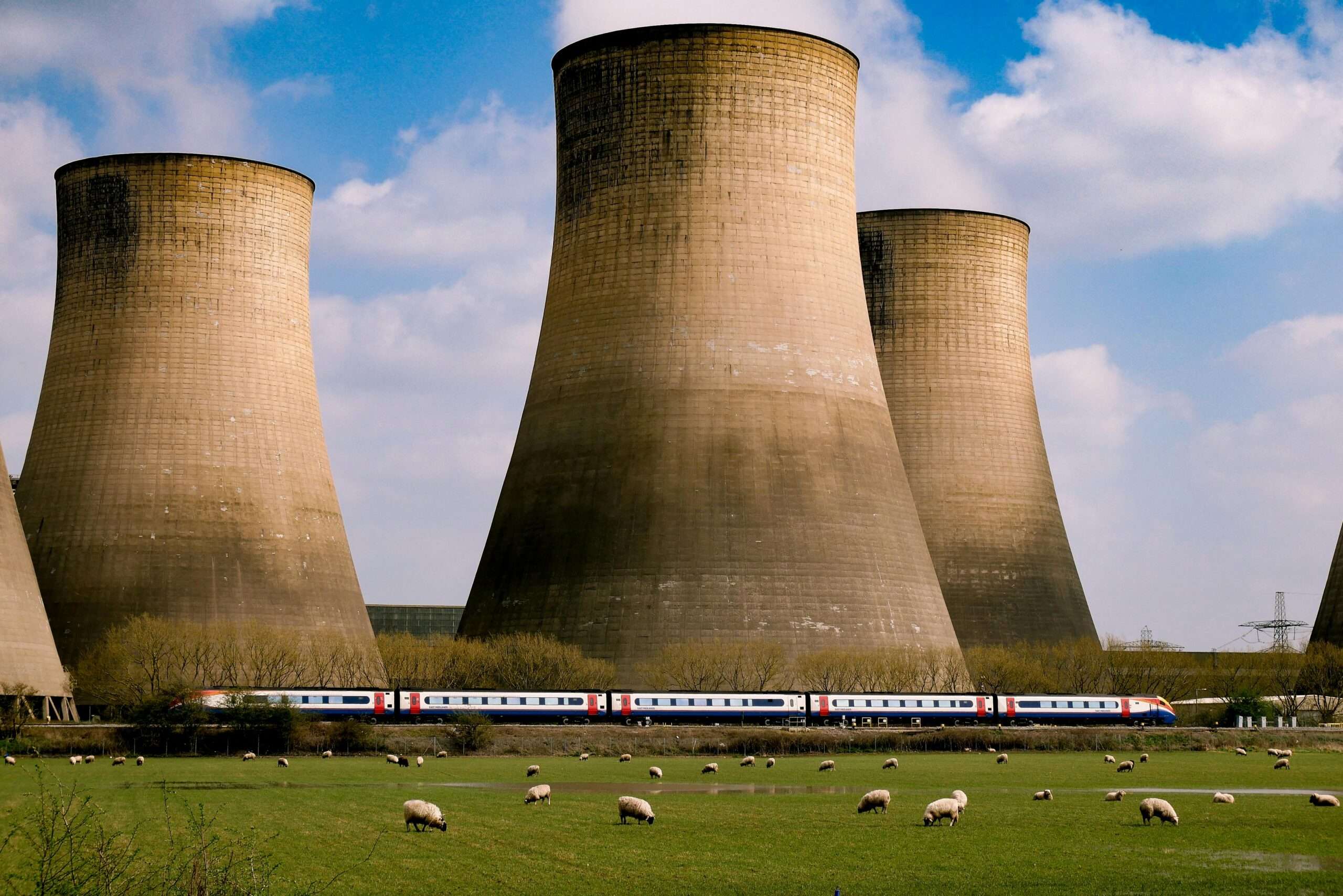
Photo by Alexandre Loureiro from Pexels
For more of the latest from the expansive government marketplace, check Government Market News daily for new stories, insights and profiles from public sector professionals. Check out our national contracting newsletter here.