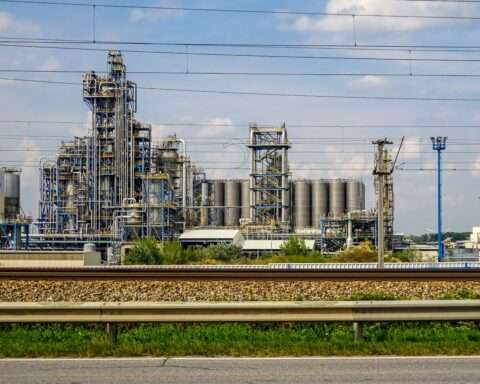


The White House is invoking federal authority to increase the production of domestic energy sources throughout the nation.
A series of presidential determinations issued in April authorize the U.S. Department of Energy (DOE) to expand domestic energy production and infrastructure in support of national defense needs, using powers under the Defense Production Act of 1950 (DPA).
The actions, signed by President Donald Trump, invoke Section 303 of the law, which allows the federal government to provide financial incentives, including grants, loans, loan guarantees and direct investments, to increase industrial capacity deemed critical to national security.
The determinations focus on the development, manufacturing and deployment of large-scale energy and energy-related infrastructure. According to the White House, the goal is to ensure reliable domestic energy supplies that can support defense manufacturing and broader industrial resilience.
The DOE is now authorized to use DPA authorities to accelerate projects that may otherwise face financing or development hurdles. These can include energy generation, fuel processing, grid infrastructure and associated supply chains tied to defense needs.
Administration officials framed the move as a response to growing demand for energy-intensive manufacturing tied to national security, as well as vulnerabilities in global supply chains. By prioritizing domestic production, the determinations aim to reduce reliance on foreign sources and strengthen the U.S. industrial base.
Analysts say the breadth of authorities invoked under the DPA could translate into a wide range of federal procurement and financing actions, even though specific programs have not yet been announced.
Before funding is deployed, the DOE is expected to establish program structures, define eligibility criteria and issue funding opportunity announcements or other solicitations outlining how projects will be selected and supported.
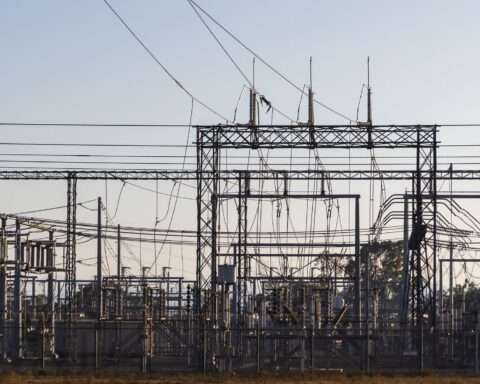
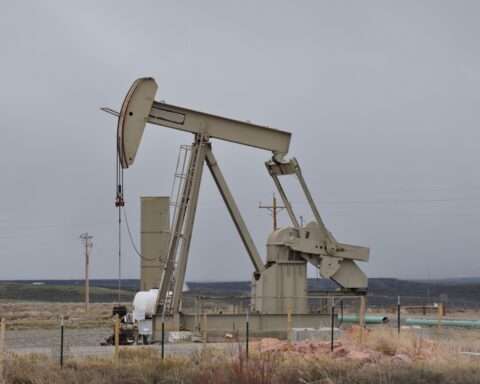
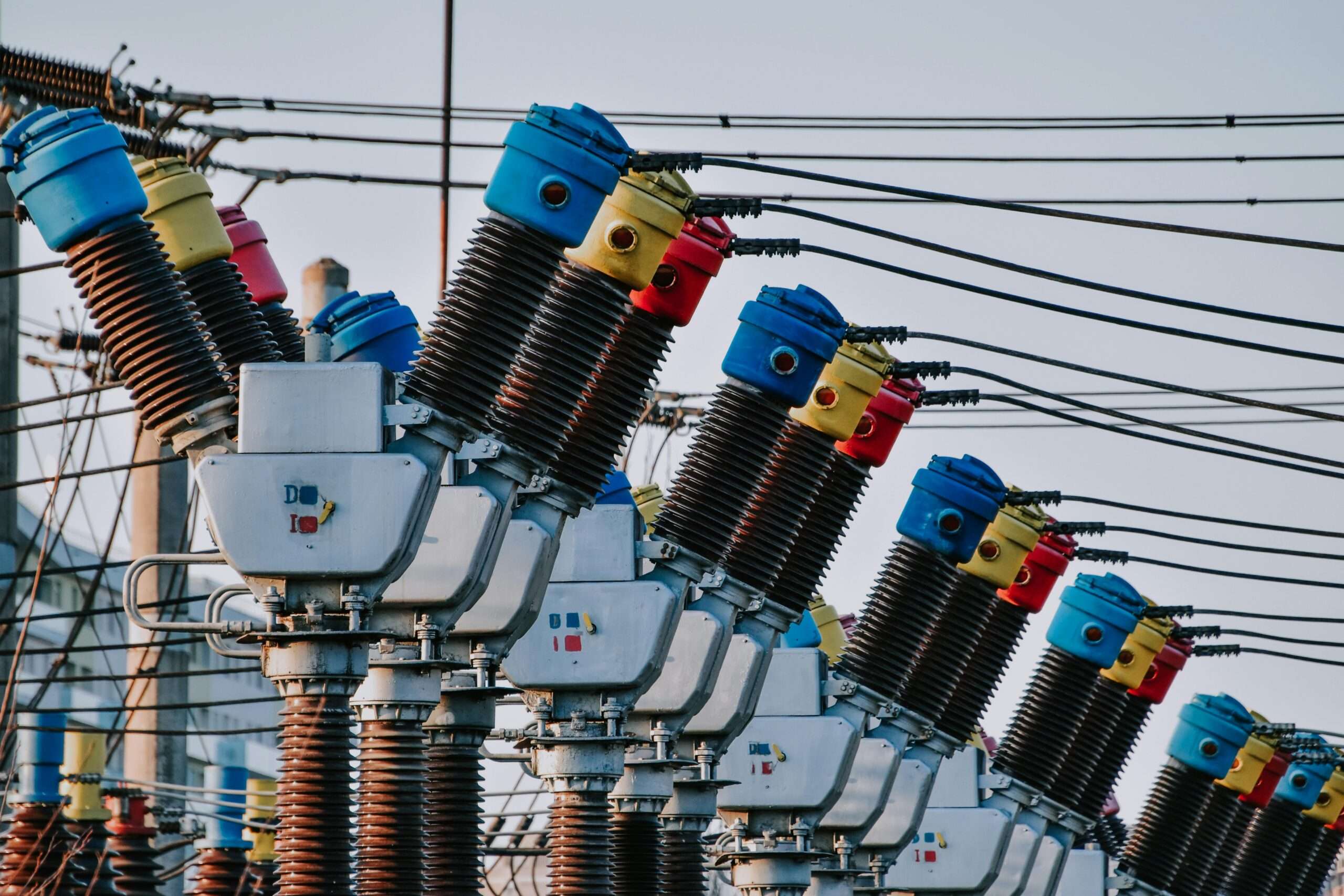
Potential measures could include long-term federal purchase agreements for coal and refined petroleum products, as well as incentives for natural gas and liquefied natural gas infrastructure, including pipelines, processing and export capacity. Additional actions could target grid infrastructure, including procurement of domestically manufactured transformers and related components, along with financing tools such as loan guarantees or credit enhancements for large-scale energy projects.
Congress has provided at least $4.4 billion for DPA Title III activities in recent years, with an additional $1 billion appropriated in recent federal spending legislation, giving agencies a distinct pool of capital to support qualifying projects.
While the announcements do not identify specific projects, industry analysts note that DPA-backed funding often serves as a catalyst for large-scale infrastructure development. The availability of federal financial support could help advance projects that align with defense priorities but require significant upfront capital.
Photo by Diana ✨ from Pexels
For more of the latest from the expansive government marketplace, check Government Market News daily for new stories, insights and profiles from public sector professionals. Check out our national contracting newsletter here.