

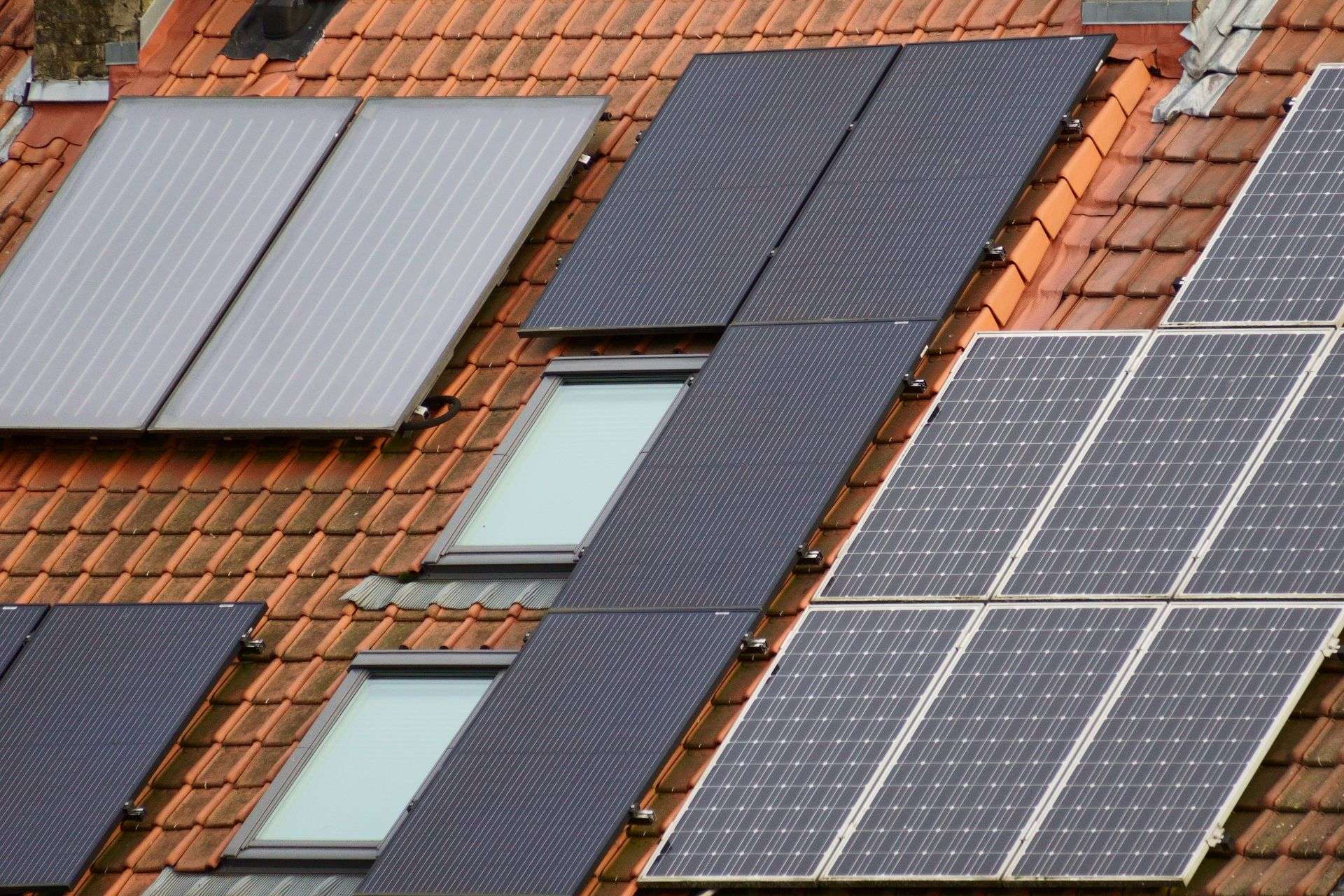
In August 2025, the Environmental Protection Agency (EPA) terminated the Solar for All (SFA) program, cutting billions in loans and grants to help install and expand rooftop solar panels for low-income households. Now a federal judge has deemed the cancellation unlawful, potentially clearing the way for the $7 billion program’s return.
The SFA program was initially cut as part of the federal government’s One Big Beautiful Bill Act, effectively stripping the EPA’s authority to administer funding through it. Suits against the cancellation were executed in October 2025, sparking efforts to salvage the affordable clean energy program.
Rhode Island U.S. District Judge Mary McElroy found merit in the plaintiffs’ argument that abruptly canceling the SFA program violated legislative and constitutional law – specifically the Administrative Procedure Act and the Constitution’s Presentment Clauses and Spending Clause. Vacating the program-wide cancellation paves the way for the program to resume availability in Rhode Island and at a national level.
The One Big Beautiful Bill Act was officially enacted on July 4, 2025, and included a provision to repeal the Greenhouse Gas Reduction Fund, putting $27 billion environmental and clean energy funding on the block. The federal government reclaimed all unallocated funds, initially stating that appropriated grants would not be touched. The EPA later pivoted to fully cutting the SFA program away and rescinding existing grants.
Backlash from states, counties and districts across the nation was swift. Harris County, Texas, was the first to file a lawsuit against the EPA. The county was one of the largest SFA recipients in 2024. A coalition of 22 states and the District of Columbia filed their own separate suit soon after.
The federal judge’s ruling directs the EPA to reinstate the program. However, the agency is expected to file an appeal.
The SFA program provided grants to help low-income and disadvantaged communities deploy or benefit from zero emission technologies and address greenhouse gas emissions. If reinstated, the initiative will help reduce utility bills and provide affordable clean energy for communities that need it most.
Photo by Budget Bizar from Pexels
For more of the latest from the expansive government marketplace, check Government Market News daily for new stories, insights and profiles from public sector professionals. Check out our national contracting newsletter here.