

Texas’ newly adopted 10-year transportation plan keeps billions of dollars in highway work moving across the state, led by major freeway reconstruction projects in Houston and Dallas and a cluster of newly listed projects in high-growth Collin County.
The Texas Transportation Commission adopted the 2027 Unified Transportation Program (UTP) in August, laying out a projected $138 billion in transportation investment over the next decade. TxDOT describes the UTP as an annually updated 10-year roadmap used to define, prioritize and assign available funding to transportation projects, but notes it is not a budget or a guarantee that every listed project will be built. The published highway project list represents only part of the plan, focusing on major mobility, connectivity and strategic priority projects.
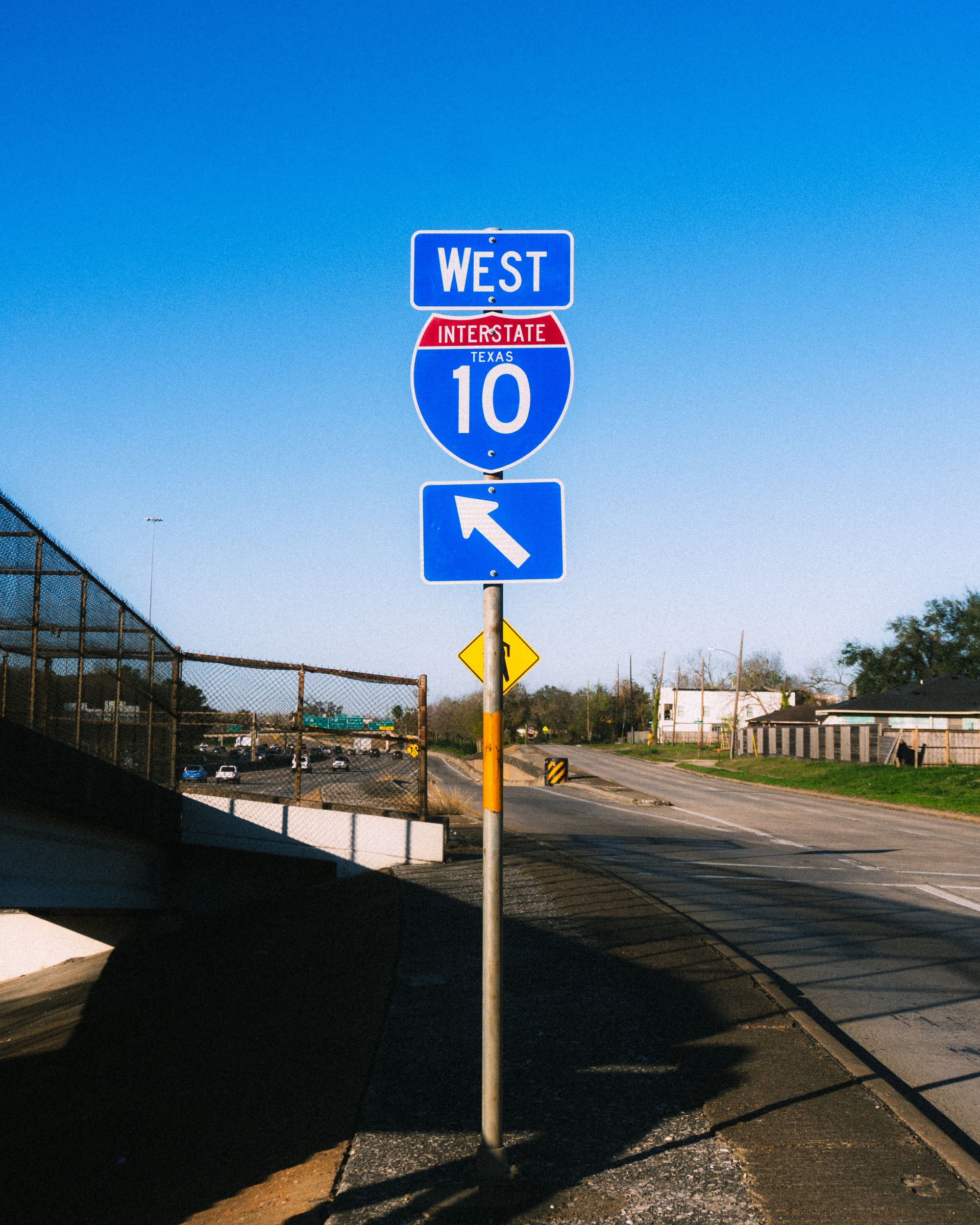
After two decades of expanding major routes into Houston, including the Katy Freeway and U.S. 290, TxDOT’s next major focus is the downtown interchange system. The largest project in the 2027 UTP is a $2.23 billion Houston District Interstate 45 project in Harris County, covering the Interstate 69 North and Interstate 10 East interchange area and a segment from McKee Street to east of Gregg Street.
The Houston project is part of the larger downtown freeway rebuild around I-45, I-10 and I-69. The project is listed in the Fiscal Year 2027-30 let-date range.
The second-largest project in the 2027 UTP is in Dallas. After major rebuilds of Interstate 635, Interstate 35E and Interstate 30 across North Texas, TxDOT’s next downtown Dallas focus is Interstate 345, where the plan lists a $1.65 billion reconstruction of the connector from I-30 to Spur 366/Woodall Rodgers Freeway.
Project descriptions call for the elevated freeway between downtown Dallas and Deep Ellum to be rebuilt below grade. The roughly 1.4-mile segment links I-45 to U.S. 75 through downtown Dallas and could create opportunities for future surface connections or deck parks.
Some earlier freeway megaprojects in Houston and Dallas added capacity through managed, high-occupancy vehicle (HOV) or tolled express lanes, including Houston’s Katy Freeway and State Highway 288 and Dallas’ LBJ Express. The largest 2027 UTP projects are framed more as reconstruction and interchange work, focused on remaking downtown freeway systems rather than building new tolled corridors.
This year’s update also shows a sharper focus on high-growth Collin County, led by more than $1 billion in newly listed U.S. 380 projects and related work around the corridor, including a Spur 399 project connecting FM 546B to U.S. 380. The projects reflect continued planning for one of North Texas’ fastest-growing suburban corridors.
Other major projects topping $1 billion include:
- Capital Express Central, Austin: Two Travis County I-35 projects total nearly $2.6 billion through central Austin. The work includes reconstructing I-35, adding non-tolled managed lanes, rebuilding ramps, intersections and frontage roads, and adding drainage, structures and shared-use paths.
- North Houston Highway Improvement Project (NHHIP), Houston: A $1.48 billion I-45 project at I-69 South is part of the broader downtown Houston freeway rebuild. The larger NHHIP is remaking the I-45/I-10/I-69 network around downtown, including major reconstruction, drainage work and interchange reconfiguration.
- U.S. 69 Lumberton-Kountze Relief Route, Southeast Texas: A $1.10 billion U.S. 69 project in Hardin County would build a new-location roadway diverging from U.S. 69. Regional planning materials describe it as a new four-lane divided roadway.
- I-10 east of downtown Houston: A $1.07 billion I-10 project runs from Magnolia Avenue to Thompson Road, along the corridor toward Baytown and East Texas. The UTP confirms the cost and limits, but the listed-project file does not describe the specific construction scope.
TxDOT’s longer-range planning documents also point to short-term changes in agency practices that could matter to vendors beyond the projects listed in the UTP. In Connecting Texas 2050, TxDOT identifies additional one- to five-year strategies that include updating roadway and bridge design manuals for resilience, evaluating variable speed-limit approaches, incorporating emerging-technology practices into design guides, building statewide bicycle and pedestrian data systems, pursuing mobility technology partnerships, integrating freight considerations into future interstate planning and developing district-level long-range transportation plans.
Photo by Eddie O. from Pexels
For more of the latest from the expansive government marketplace, check Government Market News daily for new stories, insights and profiles from public sector professionals. Check out our national contracting newsletter here.