


Arizona is accepting petitions for a new type of financing district that can underwrite roads, water lines and other public infrastructure needed for housing development. The State Affordability Infrastructure District (SAID) program allows those costs to be paid over time through bonds supported by district taxes, assessments or other revenue.
The SAID addresses any expense that can arise before the first home is built. A development may need roads, drainage systems and water and sewer facilities before home sales bring in revenue. Arizona officials say financing those improvements over time could allow more projects to proceed and lower housing costs, but the ultimate financial benefit to the homebuyer is still not totally clear.
Financing through a SAID does reduce the amount a developer must pay up front; it does not erase the infrastructure bill. If a district repays bonds through property taxes or assessments, homeowners are likely to pay those charges after buying homes there, in addition to their purchase prices. Whether a lower initial home price would outweigh those later payments will depend on each project’s prices and financing terms.
Gov. Katie Hobbs signed House Bill 2999 in June, creating the districts. They can finance public improvements that principally benefit land within their boundaries, including water and wastewater systems, stormwater facilities, roads, bridges and sidewalks. An eligible share of infrastructure outside a district can also be financed when it serves the district.
The concept has a familiar counterpart in Texas municipal utility districts (MUDs), which finance and provide utility infrastructure and services to defined areas. An Arizona SAID can finance water and sewer facilities, but its authority also covers roads and other public improvements serving a development. In both models, property within the district can carry charges that help pay for infrastructure after the developer sells the homes.
Florida community development districts and Colorado metropolitan districts offer other versions of development-related infrastructure finance. Their powers, approval processes and revenue sources differ. Arizona’s new law provides a statewide route for landowners to form a district through the Arizona Finance Authority.
The first submission comes from the owners of the proposed district’s land, often the parties assembling a development. Every fee-title owner within the proposed boundaries must sign the formation petition. The petition identifies the land, outlines a general infrastructure plan and supplies cost estimates and proposed financing limits.
The finance authority says a registered engineer must certify that estimated public infrastructure costs exceed $5 million. The formation package also calls for a statement from bond counsel on compliance with petition requirements. Engineers, attorneys and financial specialists may therefore have roles before a project reaches construction.
The authority is receiving petitions by email and arranging separate uploads for supporting exhibits. It checks filings for completeness while the affected city or county receives notice. If a complete petition meets statutory requirements, the authority’s executive director issues a formation order that is recorded with the district’s general plan.
The authority describes a 60-day substantive review period that begins once it finds a petition complete. A filing that requires corrections can take longer than 60 days from the date it was first submitted. The posted materials outline the review process, but do not set a closing date for new petitions.
Formation is followed by review of the infrastructure a district proposes to finance. Before improvements are constructed or acquired, the district board must commission a feasibility study describing the work, its location, estimated costs, schedule, benefited area and financing plan. The board submits that material to the finance authority before holding a public hearing on the project.
The district is a financing vehicle, but it does not sign the construction contract. Under the law, an owner contracts with the builder; the district can acquire the public infrastructure or reimburse eligible costs. Before construction begins, the owner must provide financial assurance that it can pay the full contract price.
Depending on the project, the district can use proceeds from general obligation, assessment or revenue bonds, along with other permitted funding. Taxes or assessments on district property may provide the revenue to repay debt. The bonds are obligations of the district, payable from pledged sources, rather than debts of the state, city or county.
The law does not itself permit additional homes on a parcel or give the district zoning authority. Its potential to increase supply rests on a narrower proposition: financing infrastructure could make some sites practical to develop that would otherwise remain stalled. That is a testable claim as landowners begin submitting projects, rather than a result the state can establish at launch.
Infrastructure financing is one approach states are pursuing to increase housing production and, thus, housing affordability in a tight housing market. Oklahoma enacted a law this year allowing local governments to create districts where developers fund initial infrastructure and recover costs through charges within the development. Tennessee enacted an infrastructure development district law in 2025, while a New Hampshire law allowing municipal assessment districts for improvements serving new development took effect in September.
Other states are putting public money toward the same infrastructure barrier. Oregon established a housing infrastructure financing program in 2025 with an initial $10 million in lottery bond funding. Nevada created an account intended to use up to $50 million in bonds for infrastructure associated with attainable housing in improvement or assessment districts, with the stated aim of lowering home prices and buyer assessments.
A second approach to housing affordability being used by some states changes land-use and approval rules. States have examined zoning changes that allow more types of homes or greater density, along with ways to reduce development delays. Those policies address what can be built and how quickly it can be approved; Arizona’s SAID law instead addresses how eligible public infrastructure can be financed.
A third approach states are using provides more direct financial help, including low-interest development loans, housing tax incentives and homebuyer assistance. These programs can attach affordability conditions or target particular buyers in ways that infrastructure district financing does not necessarily do. The National Conference of State Legislatures identifies financing, construction costs and development rules as separate parts of the housing affordability problem.
Arizona’s program begins with landowners proposing districts and the infrastructure they want to finance. Those petitions, followed by project studies and financing plans, will show where the tool is used and what charges are assigned to property in each district. They will also provide the basis for judging its affordability claim: whether homes become available that otherwise would not have been built, and what buyers pay for them over time.
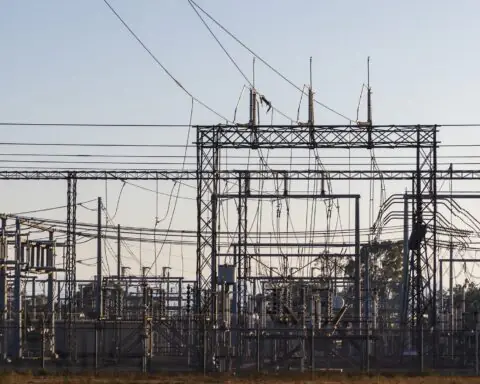
Photo by Paco Montoya from Pexels
For more of the latest from the expansive government marketplace, check Government Market News daily for new stories, insights and profiles from public sector professionals. Check out our national contracting newsletter here.