

The federal government is driving technological innovation after adding a dozen new teams to its National Science Foundation Regional Innovation Engines (NSF Engines) network.
The NSF operates at the forefront of innovation, pioneering the nation’s efforts to unlock new solutions to modern challenges. NSF Engines serve as one of the agency’s most effective investments in foundational research. The latest awards round went to 12 teams across 20 states, bringing the program’s total number of operating engines to 21.
These teams are composed of regional organizations – including universities, nonprofits and private industry – dedicated to transforming America’s innovation infrastructure and securing the nation’s positions as a global leader of cutting-edge technologies. Each engine functions as part of an interconnected web, leveraging the strengths of other hubs to reinforce domestic supply chains, close capability gaps and streamline development.
The teams chosen as part of the NSF Engine network include:
- NSF BRIDGES Engine in Alabama and Tennessee – HudsonAlpha Institute for Biotechnology. Use locally grown resources to transform domestic biobased manufacturing in rural economies.
- NSF Critical Materials Crossroads Engine in the Kansas City Region – The University of Missouri-Kansas. Research methods to onshore and sustain critical materials production capacity.
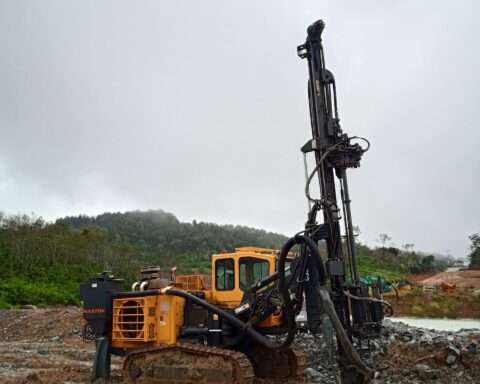
- NSF Critical Mineral Accelerator Engine in Alaska – The University of Alaska Fairbanks. Integrate advanced mining technologies, AI-enabled exploration systems and novel biomining approaches to access critical mineral reserves.
- NSF FAST Engine in Oregon – Oregon State University. Use AI to accelerate semiconductor chip design, improve manufacturing performance and shorten product development cycles.
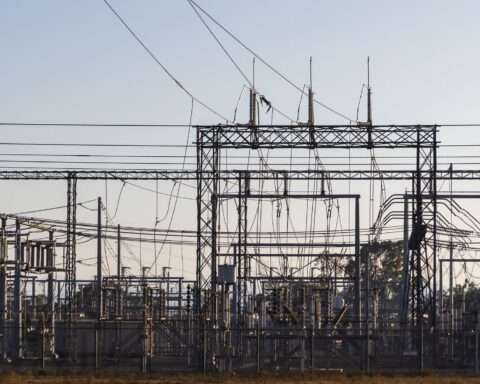
- NSF Grid Modernization Engine in the Carolinas – The University of North Carolina at Charlotte. Advance critical grid technologies to bolster energy security and meet rapidly increasing energy demand.
- NSF IMPACT Engine in Indiana – Indiana University. Connect Indiana’s world-class orthopedic industry, top universities and health data resources to bring musculoskeletal innovations to market.
- NSF NEO-SMART Engine in Northeast Ohio – Case Western Reserve University and 70 regional partners. Strengthen national advanced materials manufacturing by developing and integrating new feedstock, next-generation reprocessing technology, AI and machine learning for materials design.
- NSF Quantum Technologies Engine in Connecticut – The University of Connecticut. Accelerate the commercialization of quantum technologies for national defense, biotechnology and financial services.
- NSF RETI Engine in West Virginia and western Pennsylvania – West Virginia University, the University of Pittsburgh, Carnegie Mellon University and the U.S. Research Impact Alliance. Build a RETI coalition to advance hardware, software and AI-enabled technologies to manage efficient storage and reliable distribution of grid energy.
- NSF RuralSTAMINA Biomanufacturing Engine in Iowa and Nebraska – Iowa State University. Use agriculture expertise, infrastructure and biomass resources to develop fuels, medicinal chemicals and industrial materials through innovations in biomanufacturing.
- NSF Seafood Engine in New England – The Northeastern Regional Association of Coastal Ocean Observing Systems. Reduce the national seafood deficit and strengthen every level of the seafood supply chain through advanced technologies.
- NSF STELLAR Engine in the Rochester/Finger Lakes Region of New York – The University of Rochester. Advance Science, Technology and Engineering of Lasers and Laser Applications Research (STELLAR) technologies for manufacturing, defense, communications and healthcare.
Established as part of the NSF Engines Cohort 2 round of approved research teams, the NSF will fund each team with a $15 million investment over a two-year period. If the recipients generate impactful results with well-documented milestones, they may receive up to $160 million each over the next ten years.
The program launched in 2024 with an initial $135 million investment. Since then, these engines have received more than $2 billion in matching funds from private industry, philanthropy and state and local governments to advance their work. Topics for development and application have a wide range of uses, prioritizing research and development efforts that:
- Enhance energy grid security.
- Improve critical mineral mining extraction.
- Accelerate quantum computing technologies.
- Support advanced chipmaking processes.
- Develop next-generation AI.
- Reinforce agriculture and food production.
- Improve disaster preparedness.
- Innovate energy storage solutions.
By fusing private and public industry expertise and investment, the NSF can extract and support groundbreaking results in specialized research and development fields. While these engines are a relatively new program, they stand on the shoulders of decades of innovation sponsored by NSF research.
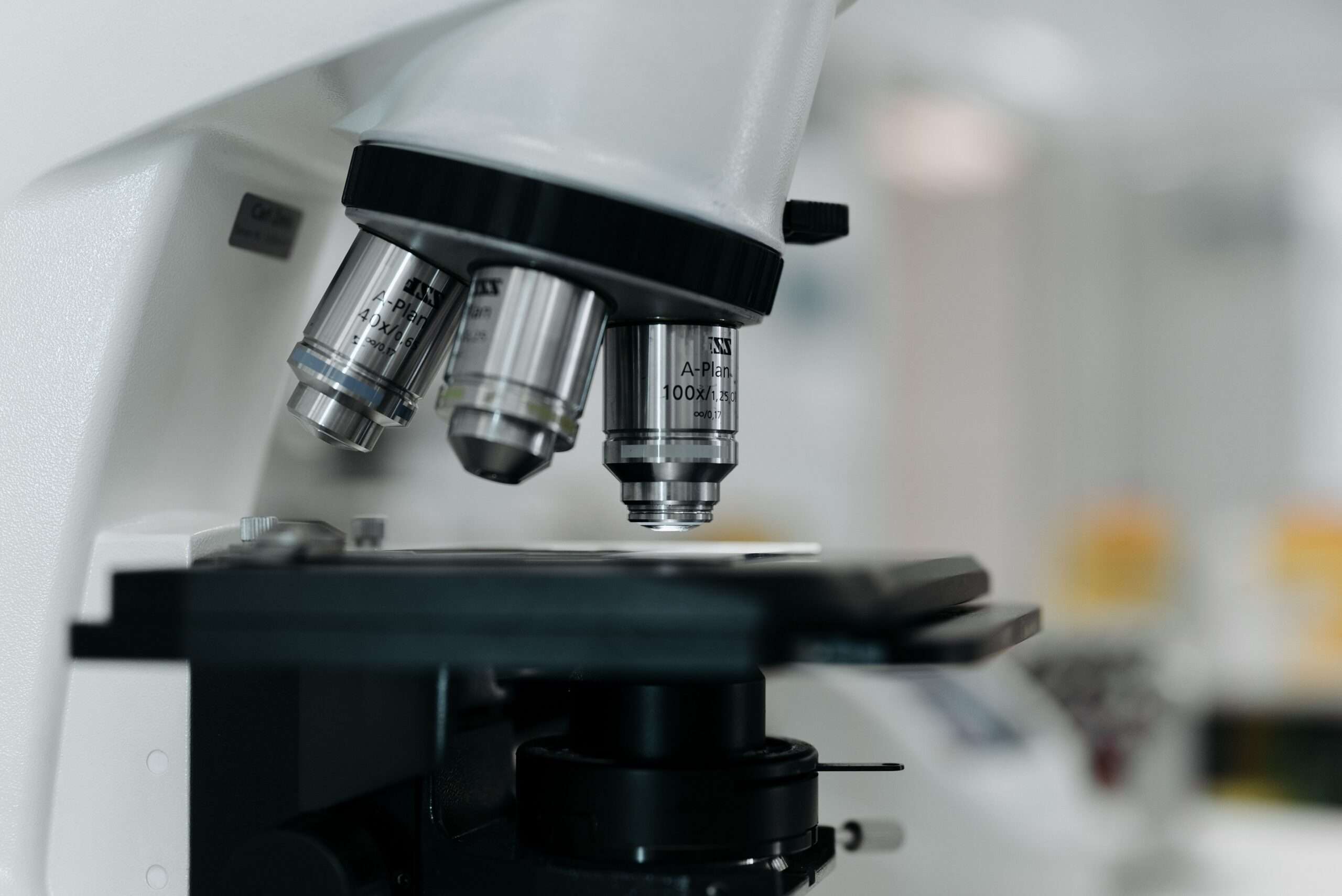
Photo by Pavel Danilyuk from Pexels
For more of the latest from the expansive government marketplace, check Government Market News daily for new stories, insights and profiles from public sector professionals. Check out our national contracting newsletter here.