

The United States Department of Agriculture (USDA) has awarded $65 million to support natural resource conservation on private lands through innovative research, development and policies.
A total of 34 investments will be delivered through the Conservation Innovation Grants (CIG) program. These allowances will put funding back into the pockets of organizations that need them most, answering the call to improve water quality, soil health and wildlife habitat. Results from the program directly contribute to improving production on farms, ranches and private forests.
The awards will be delivered across two focus areas: Classic and On-Farm Trials. The Classic topic prioritizes early-stage development and piloting of natural resource conservation solutions.
On-Farm Trials funding seeks to incentivize innovative conservation approaches by coordinating with agricultural producers. Awards will help provide technical assistance and payments to mitigate risks associated with implementing conservation practices, systems and approaches.
The following are a selection of the largest amounts awarded to recipients:
The Regents of the University of Idaho will receive $5 million as part of a seven-state coalition seeking to conduct around 300 on-farm nutrient management trials in healthy production systems. The project will analyze nitrogen, phosphorus, potassium and sulfur management practices, including proven fertilizer technologies. The results will help determine how effective these technologies are at influencing crop efficacy and inform the states on how to better utilize fertilizers to enhance production.
The American Farmland Trust will receive nearly $5 million to expand a demonstration trial network into a Soil Health Management Systems (SHMS) Network. The organization will work with 14 states and more than 20 partners to demonstrate and evaluate biochar applications integrated within full SHMS transitions. The funding will help producers adopt innovative solutions to better support water-limited, high-disturbance production systems. These solutions may include:
- Cover crops.
- Living mulches.
- Reduced disturbance.
- Diversified rotations.
- Livestock integration.
- Agroforestry.
- Improved nutrient, manure and water management.
The University of Illinois will allocate its $4.9 million share to conduct roughly 1,000 on-farm precision experiments (OFPE) and analyze the resulting data alongside weather, remote sensing and other field characteristics information. Coordinating with 27 states, the initiative will run optimization algorithms utilizing gathered data to create a decision tool for site-specific nitrogent application management.
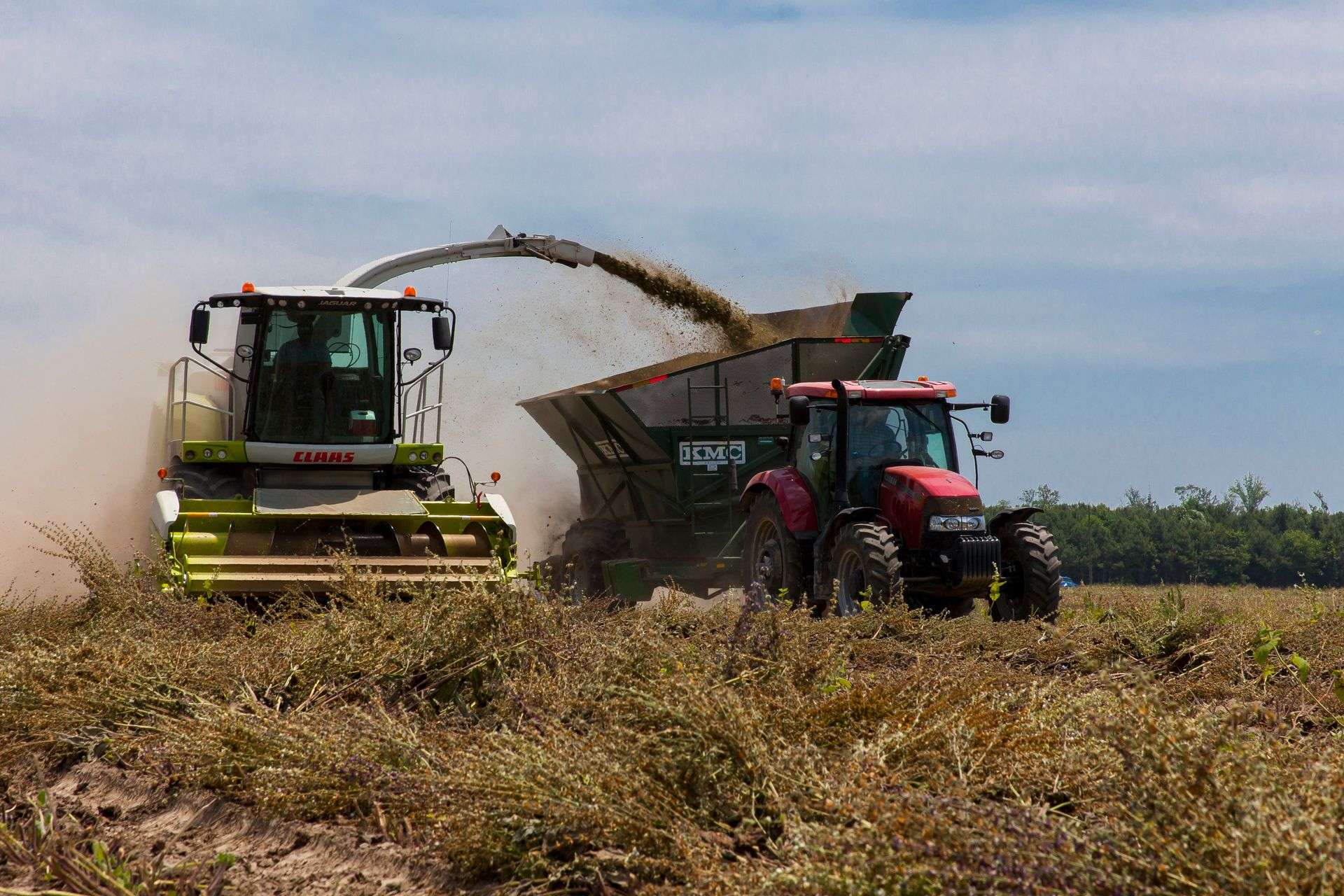
Photo by Mark Stebnicki from Pexels
For more of the latest from the expansive government marketplace, check Government Market News daily for new stories, insights and profiles from public sector professionals. Check out our national contracting newsletter here.