

The U.S. Department of Transportation (DOT) has released a new National Roadway Safety Strategy that outlines the federal government’s priorities for reducing traffic deaths through 2028. The framework emphasizes roadway infrastructure improvements, commercial vehicle safety, advanced vehicle technologies and continued support for projects designed to make roads safer nationwide.
The DOT is calling for collaboration across six of its agencies to align on projects that prioritize three basic pillars: safer people, safer roads and safer vehicles.
Infrastructure projects will be key in reaching the department’s goals. The strategy outlines the types of initiatives that best promote its safety goals, including proven roadway redesigns, high-risk corridor improvements and congestion reduction. Officials are also calling for grade separations at rail crossings, improved nighttime lighting, work zone safety improvements and traffic incident management.
According to the DOT, evidence-based engineering will be central to determining where those investments are made. National Highway Traffic Safety Administration (NHTSA) data shows that more than half of all traffic deaths occur on arterial roads, even though they account for only about 10 percent of the nation’s public road network. More than half of roadway fatalities also occur at night, despite only about a quarter of travel taking place after dark. The department said those and other safety trends will help identify high-risk locations where infrastructure improvements can have the greatest impact.
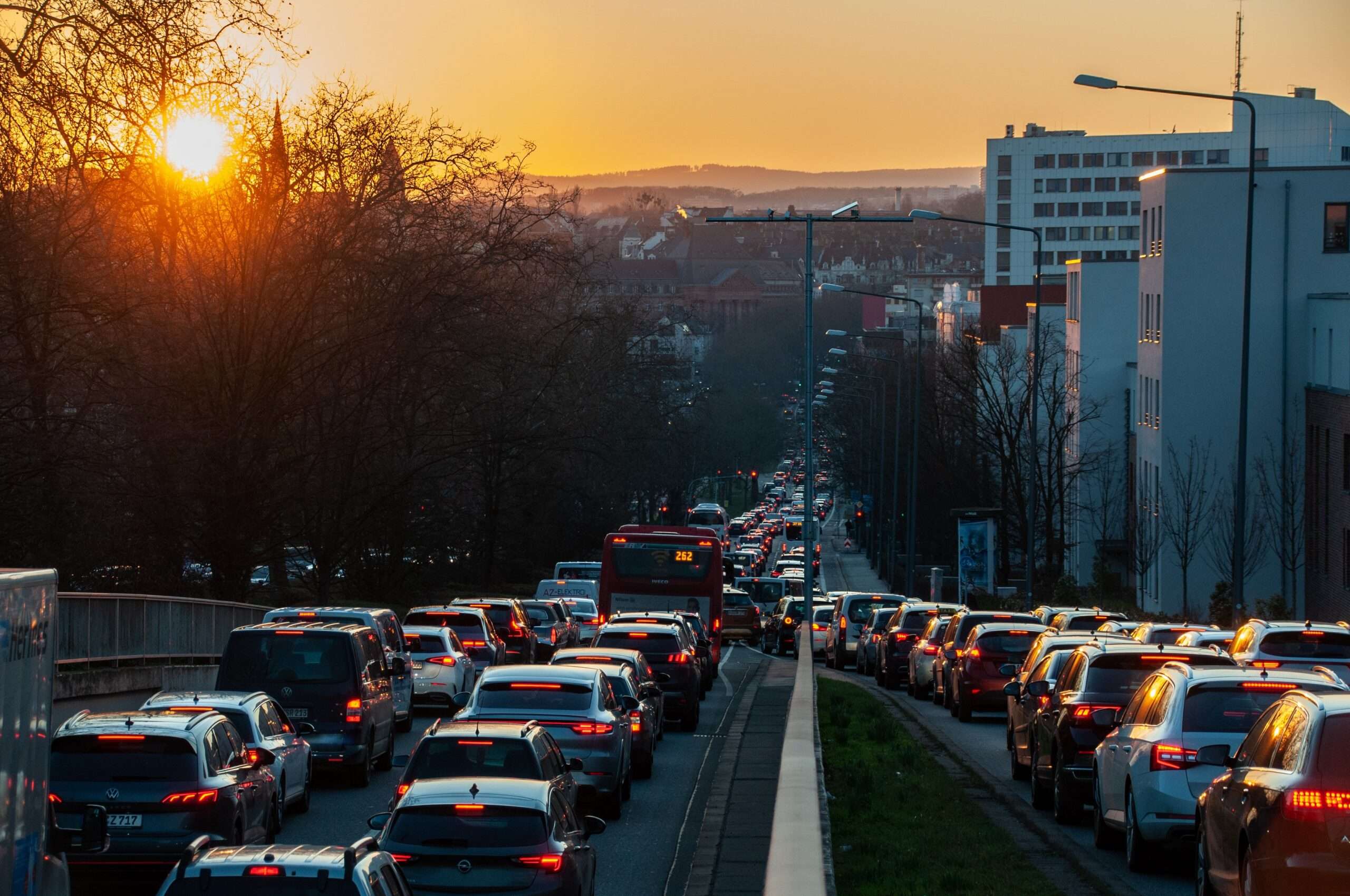
The department also treats safer roads as faster roads, citing crashes as a leading cause of unexpected backups. Those backups produce additional collisions, which the DOT estimates account for about 20 percent of all crashes. That reasoning makes incident response a safety investment rather than a congestion one.
Intersections draw similar attention, representing more than a quarter of roadway deaths each year. The technology the DOT suggests for them is lidar-equipped adaptive signal control, which reads conditions at an intersection then adjusts signal timing as traffic changes. On a broader scale, the department commits to supporting deployment of Intelligent Transportation Systems (ITS) as well as Transportation Systems Management and Operations (TSMO) programs.
Freight presents a different problem, according to the strategy. Commercial vehicles move the nation’s goods across the same roads the DOT is redesigning, but the department says unsafe trucking operations undercut those gains. More than 5,300 people died in large-truck crashes in 2024. The new strategy responds with a mix of physical infrastructure and enforcement, giving commercial trucking more emphasis than past federal safety plans.
Truck parking is the infrastructure half of that response. The DOT frames the national shortage as a fatigue problem rather than a convenience one. Drivers must either stop short of a full shift to secure a space or keep driving while searching for one. Inadequate parking also pushes trucks onto shoulders, ramps, vacant lots and side streets. The department commits to expanding availability through its existing funding programs, though no dollar figure is set for that effort.
Enforcement covers the rest. The DOT plans to tighten compliance standards while expanding investigations of high-risk carriers along with what it calls deceptive business entities, including operations that dissolve then reincorporate to shed a poor safety record.
Rail crossings are a separate focus. The DOT points to grade separations, stronger design and new technology at locations where roads meet rails, framing the work as a way to improve safety while keeping traffic moving on both networks. The Federal Railroad Administration (FRA) administrator said grade crossings along with rail rights-of-way account for most rail-related casualties, identifying FRA grant programs as the mechanism for improvements.
Work zone safety draws a similar commitment. The DOT attributes more than 800 deaths a year to work zones, listing enforcement, lighting, positive protection devices, physical barriers, worker equipment and better coordination of road work as effective measures to combat that. The department plans to combine those with improved nighttime visibility and additional training in incident management.
Rural communities also get dedicated attention in the new strategy. Rural roads carried 31 percent of vehicle miles traveled in 2024 but accounted for 41 percent of roadway deaths. The DOT plans to close that gap by routing tools, training and technical assistance to those areas through its operating administrations as well as its Rural Opportunities to Use Transportation for Economic Success (ROUTES) initiative.
Post-crash patient care falls under the same priority. The department says about 40 percent of people who die from crash injuries were still alive when responders arrived. It commits to supporting 911 call-taking protocols along with pre-hospital blood transfusion capability through the Safe Streets and Roads for All grant program.
The strategy takes a different approach to vehicles, focusing on federal standards rather than construction. The DOT notes that more than 284 million vehicles are on U.S. roads, so new safety technology reaches drivers slowly as older cars are replaced. The department plans to update its crash testing to use advanced test dummies, revise federal vehicle safety and fuel economy rules to measure the results a vehicle achieves rather than require specific equipment, then issue a national strategy with updated guidance for automated vehicles.
The DOT said the activities described in the strategy are steps it intends to take by December 2028. The document does not create new funding programs or attach dollar figures to any of the priorities it lists. Instead, the department plans to carry out the work through existing grant programs, agency rule-making and enforcement, with the strategy acting as an indicator of where federal safety priorities are expected to focus in the coming years.
Photo by wal_172619 from Pixabay
For more of the latest from the expansive government marketplace, check Government Market News daily for new stories, insights and profiles from public sector professionals. Check out our national contracting newsletter here.