


San Diego County recently received a $99.5 million state grant to advance construction plans for the upcoming $210 million Behavioral Health Wellness Campus. The county plans to break ground in 2028 through a public-private partnership (P3) agreement.
Once completed, the campus will provide 210 treatment slots and offer a full array of health services to manage mental health and substance abuse. Creating a site for proactive prevention will enable the county to make meaningful impacts on rampant substance use disorders in the community and provide adequate mental health care for vulnerable populations.
Among the planned structures for the campus, the county will build a Crisis Stabilization Unit (CSU) to offer immediate mental health support and treatment services. These offerings will set the state for short-term crisis intervention, mental health assessment, medication assistance, therapy and peer support in a calming, supportive environment. The facility will include a dedicated space for law enforcement drop-off.
The county will also build a dedicated Mental Health Rehabilitation Center (MHRC) to offer long-term support and rehabilitative services. With the goal of reducing or preventing hospitalizations, the MHRC will help patients achieve greater self-sufficiency and independence through programs that improve skills, strengthen support networks and promote stability. These programs and services will center around psychiatric evaluation, medication management, therapy, crisis stabilization, rehabilitative skill-building and more.
The campus will feature a 24-hour Social Rehabilitation Facility (SRF) dedicated to individuals with serious behavioral health needs that need additional support short of hospital-level treatment. Primarily staffed by peers and clinical staff, the facility will provide services for emotional support, counseling, support groups, skill-building, self-care and transportation.
The planned Adult Residential Substance Use Disorder Treatment Facility (ARSUDTF) will create a living environment designed for people recovering from drugs or alcohol reliance. The facility will offer a structured, therapeutic environment to promote stability and prevent inpatient hospitalization or repeated detox admissions. Services will include medically monitoring, withdrawal management, physician oversight, nursing support, counseling, relapse prevention and rehabilitative and skill building support services.
The final major structure included in the planning document will be an Outpatient Community Mental Health Clinic (OCMHC). The clinic will provide dedicated office space to treat and manage ongoing mental health or co-occurring conditions. Services will include behavioral health screening and assessment, therapy, medication management, crisis intervention, outreach services and case management.
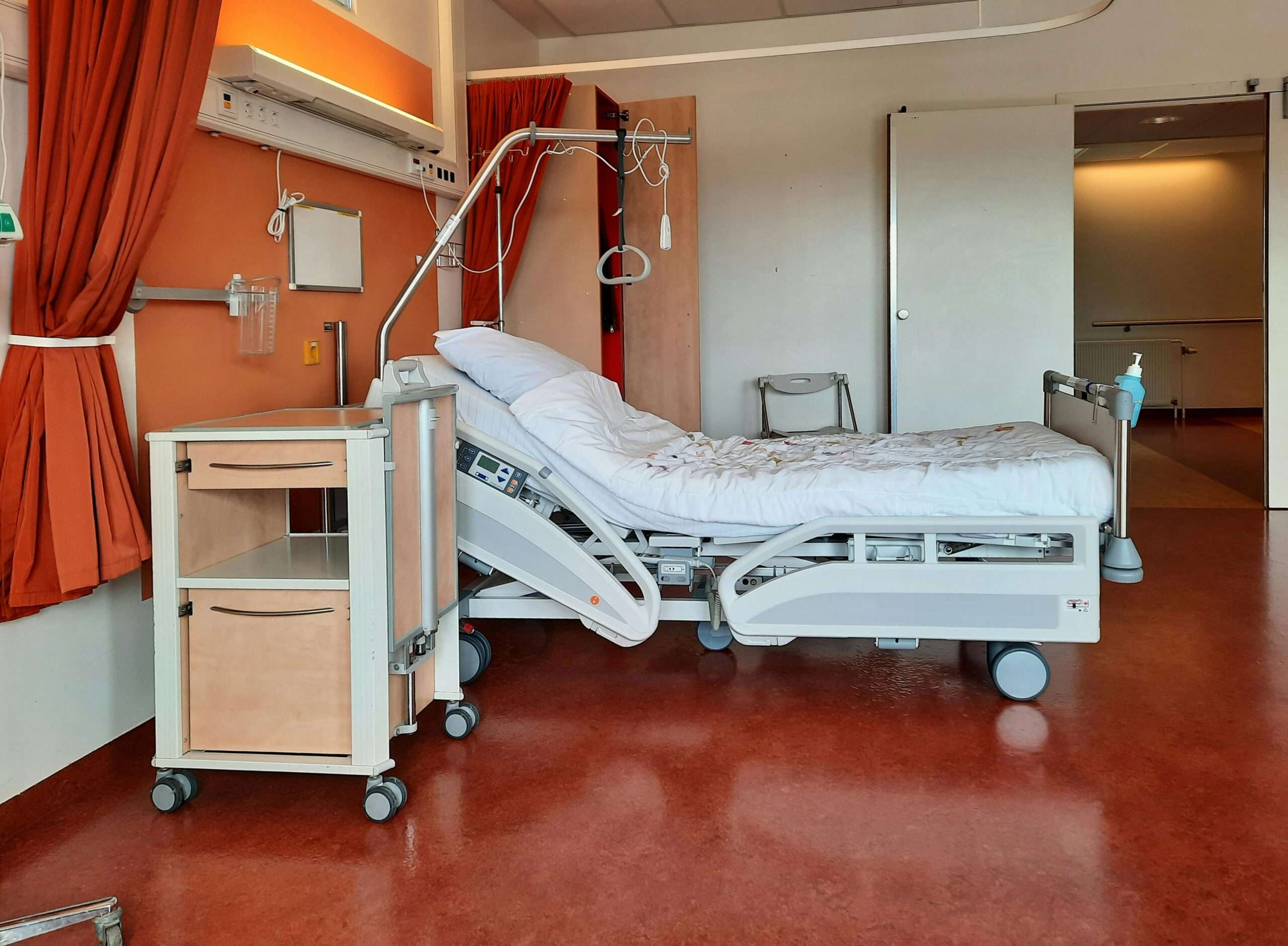
Photo by Timothy Huliselan from Pexels
For more of the latest from the expansive government marketplace, check Government Market News daily for new stories, insights and profiles from public sector professionals. Check out our national contracting newsletter here.