


Federal officials have given formal backing to a long-discussed plan in Mississippi to address flooding along the Pearl River in the Jackson area, a decision local leaders called a milestone in efforts to reduce flood damage to homes and infrastructure in Hinds and Rankin counties.
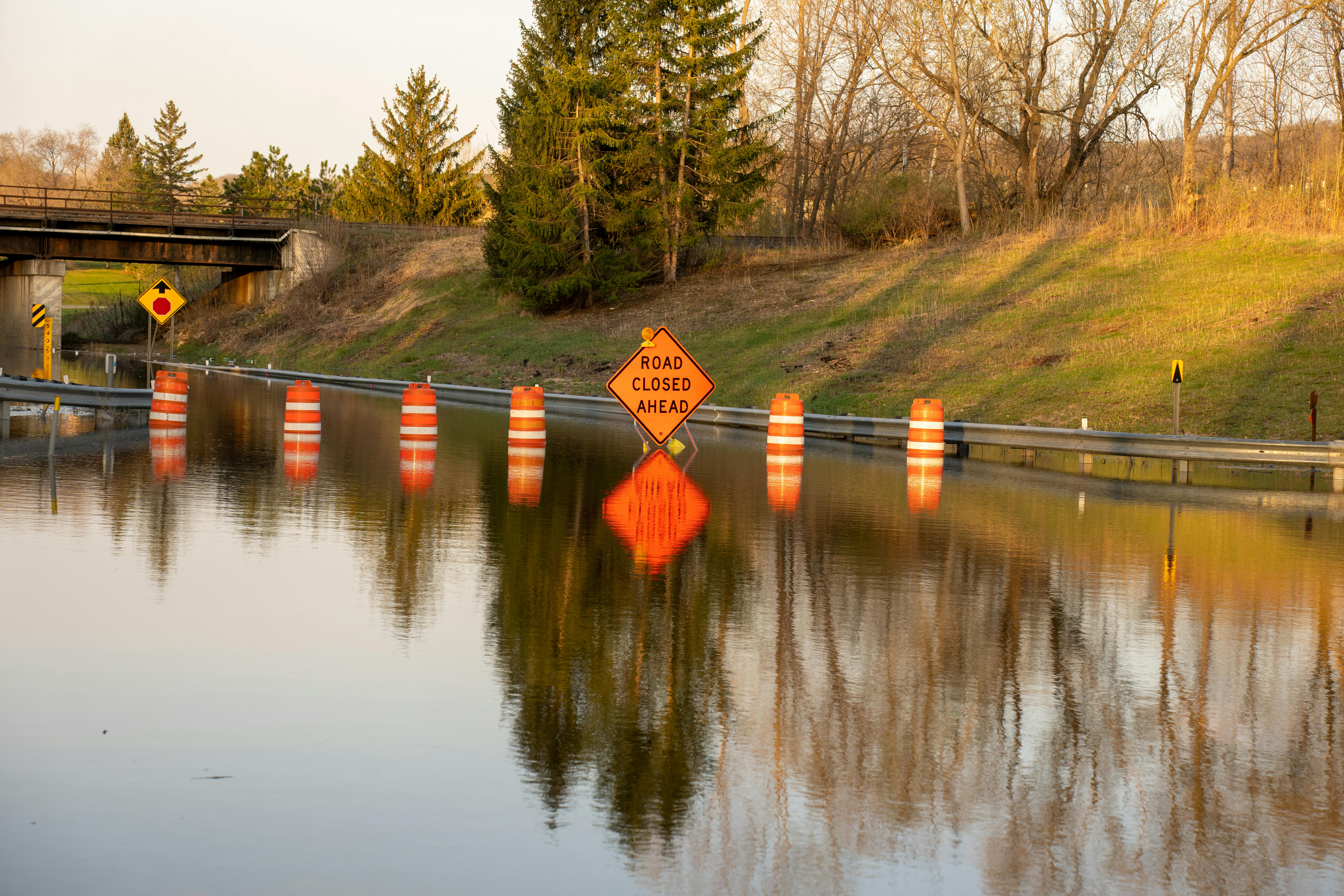
The Jackson area has seen recurring floods for over a century, including major events in 1979, 1983, 2020 and 2022, which have forced thousands from their homes, damaged roads and bridges and, most recently, contributed to a shutdown of the city’s main water treatment plant, leaving tens of thousands without access to safe drinking water.
Pearl River watershed flood control measures date back to the early 1900s, and after years of study, debate and public input, Assistant Secretary of the Army for Civil Works Adam Telle issued a memorandum directing the Corps to implement the Pearl River Basin Flood Control Plan. The Corps selected a preferred option based on Alternative D1, a configuration that combines traditional flood mitigation features with river improvements that supporters say could spur recreation and economic opportunities for communities impacted by recurring high water.
The plan calls for widening portions of the river, constructing a weir south of Interstate 20, excavating existing riverbanks and adding four levees. Under this approach, the project would result in a roughly 1,200-acre lake along the Pearl River between Hinds and Rankin counties, and advocacy groups highlight potential for expanded waterfront access, parks and trails as part of the broader revitalization.
Officials have estimated the cost of the preferred design at roughly $850 million to $918 million, though figures vary depending on scope and cost assumptions. The Corps’ latest draft analysis puts the initial project cost in the $873 million to $918 million range, with a fully funded total of more than $1 billion. Congress has already allocated about $221 million in federal funding, which would cover a portion of the expense, but local and state governments would be responsible for the remaining share. Some local estimates have been lower, near $450 million, reflecting differences in calculations.
Local leaders are celebrating the long-awaited flood plan as a major advance in public safety and regional resilience. They point to similar waterfront improvements in other cities that increased property values, attracted more private investment and provided new community amenities.
However, the project has drawn criticism from environmental groups and downstream communities concerned about potential ecological impacts and water flow changes. Opponents have argued that creating a reservoir and altering the river’s course could disrupt wildlife habitat, affect water quality and raise water levels for communities south of Jackson. Some critics have also questioned whether nonstructural alternatives, such as elevating or flood-proofing at-risk structures, received adequate consideration given lower cost estimates for those approaches.
Photo by Tom Fisk from Pexels
For more of the latest from the expansive government marketplace, check Government Market News daily for new stories, insights and profiles from public sector professionals. Check out our national contracting newsletter here.