


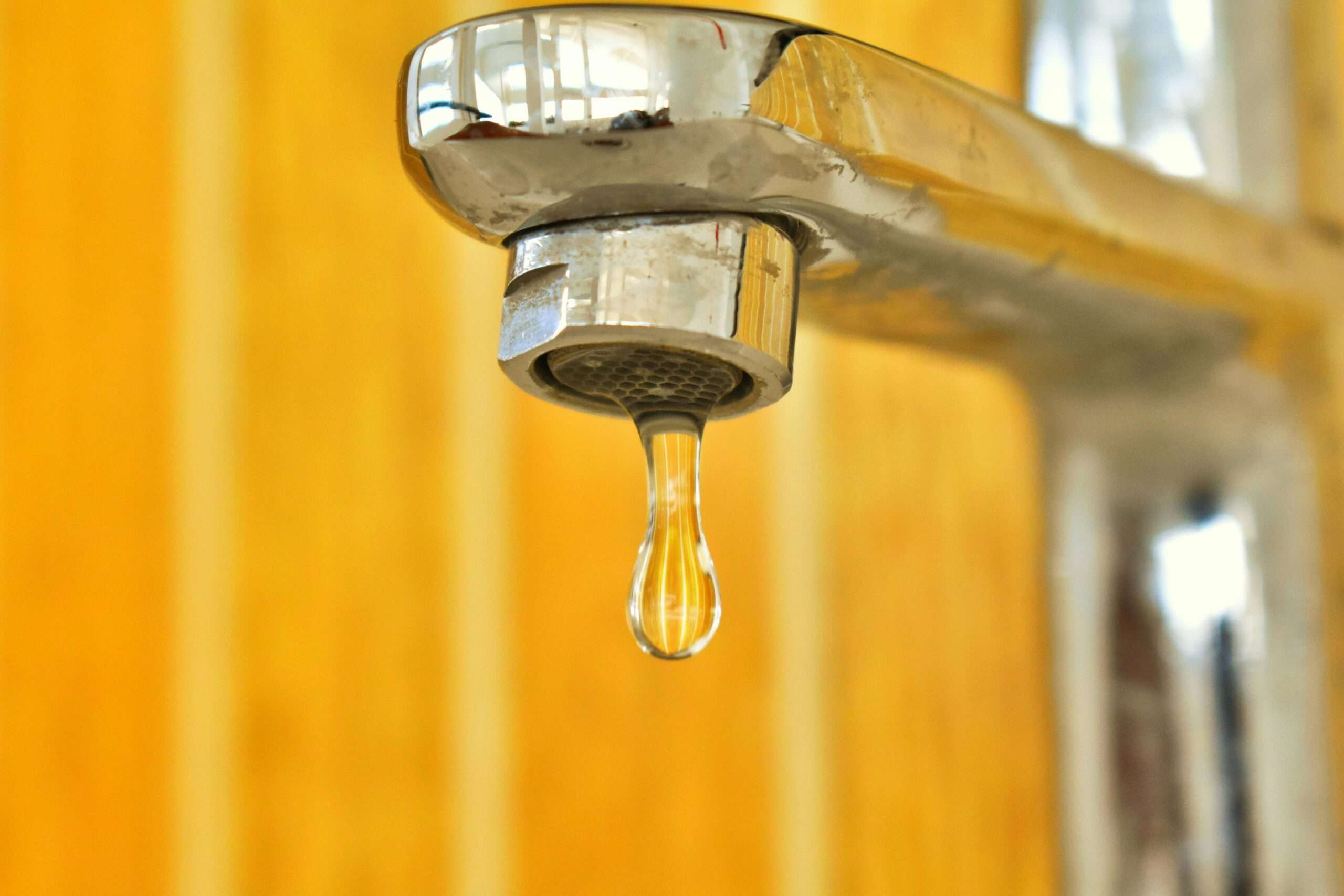
The Environmental Protection Agency (EPA) is making $1 billion available in new funding to states to address harmful per- and polyfluoroalkyl substances (PFAS) in drinking water but issuing two proposed rules aimed at rescinding Safe Drinking Water Act regulations set under the Biden administration.
Funding is being made available through the EPA’s Emerging Contaminants in Small or Disadvantaged Communities Grant, bringing the total funding for the program to $5 billion available through this program over five years.
Priority will be given to communities that need it to identify and address PFAS — also known as forever chemicals — and reduce exposure through drinking water, the EPA said.
The EPA’s proposed rule changes follow an announcement made a year ago expressing the agency’s intentions to roll back SDWA regulations.
The first rule would rescind limits for four types of PFAS in the drinking water regulations: PFHxS, PFNA, PFBS and HFPO-DA, commonly known as GenX. The agency plans to continue regulating PFOA and PFOS, but will delay enforcement to 2029, EPA said.
The EPA also announced a proposed rule that would allow certain eligible water utilities to apply for a two-year compliance delay on meeting drinking water standards for PFOS and PFOA, giving them until 2031 if they meet certain requirements.
The EPA said the new timeline is more practical for water utility companies to comply with, though opponents of the proposed rules said the EPA was delaying enforceable safeguards and reopening protections for PFAS.
The two proposed rules will go through a 60-day public comment period. The EPA will hold a public hearing on July 7.
Photo by Nithin PA from Pexels
For more of the latest from the expansive government marketplace, check Government Market News daily for new stories, insights and profiles from public sector professionals. Check out our national contracting newsletter here.