

The Metropolitan Transportation Authority (MTA) in New York City has moved its plans for the Interborough Express (IBX) forward, announcing the next steps for the substantial project. The authority will bid for stakeholder feedback from the Brooklyn and Queens communities to inform the project’s next stage through public workshops. The authority anticipates releasing a draft corridor design in late 2026.
The IBX is a historic $5.5 billion project that will connect the NYC Brooklyn and Queens boroughs, providing underserved communities with direct light-rail service. The project has been in planning circulation for years, only officially moving into the design phase in August 2025. The design phase is projected to last two years.
The series of public forums will allow the community to learn more about the project and engage through interactive in-person workshops. Communities will provide responses covering priorities for stations and train design, hear project updates and ask questions regarding the planning and implementation process.
Expected to serve more than 160,000 riders each weekday, the line will provide connections to other critical transit options such as subway lines, bus routes and the Long Island Rail Road. The project isn’t just to expand the city’s transit opportunities – the plan promotes an environmentally friendly approach to reducing NYC’s carbon footprint.
Reliance on vehicles is one of the most impactful producers of greenhouse gas (GHG) emissions in the city. Out of the 48 million metric tons of GHG emissions expelled in 2024, 12.6 million were caused by transportation – 8 million being directly contributed by passenger vehicles. The IBX will play a significant role in further lowering that number, setting NYC on track to achieve its 2050 emissions reduction goals of 12 million metric tons across its three primary sectors.
According to the MTA, the IBX may reduce passenger car travel by about 21.8 million miles per year, reducing GHG emissions by thousands of metric tons in the process. In addition, by having less cars on the road, the project will reduce overall traffic congestion and noise levels.
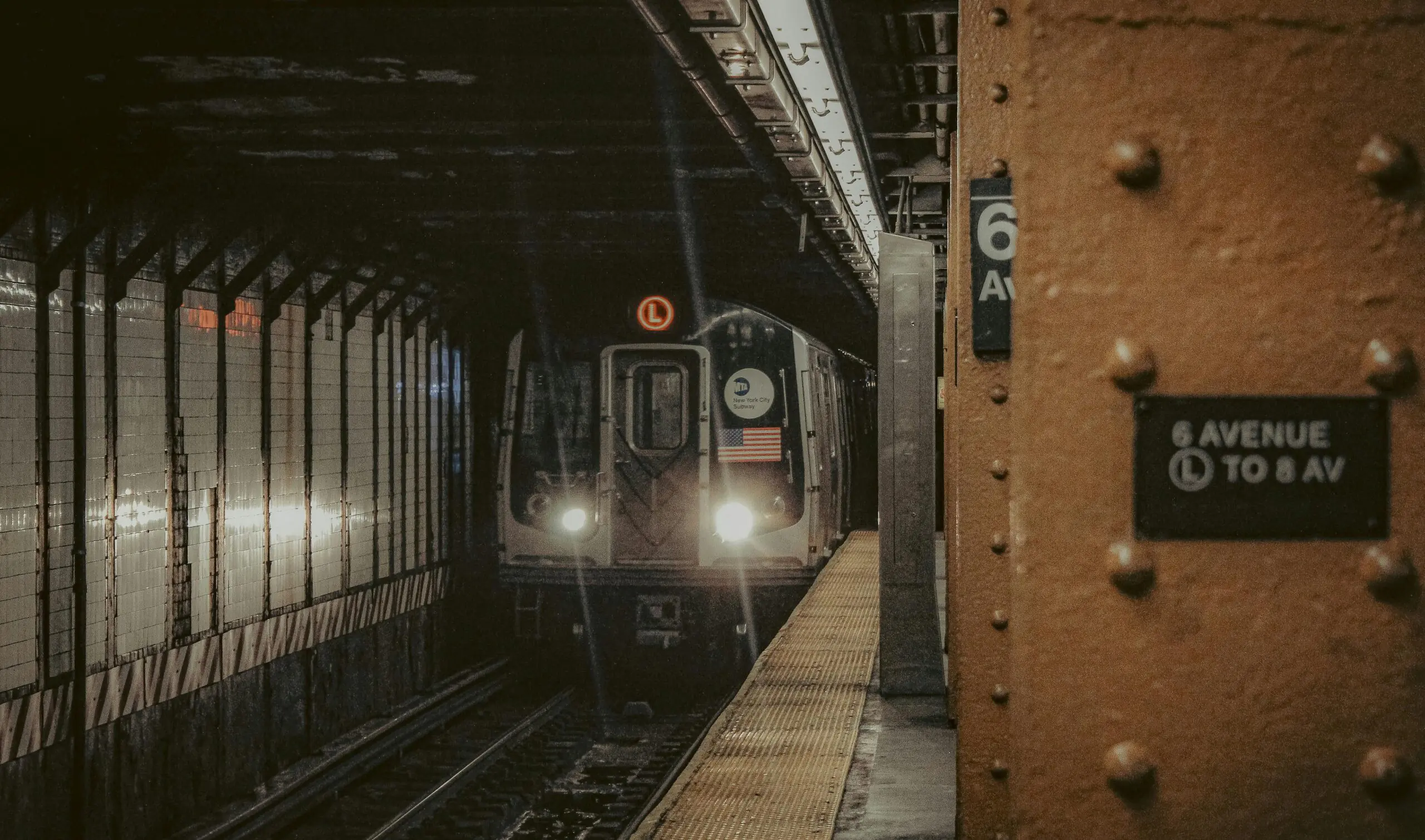
Photo by Taylen Lundequam from Pexels
For more of the latest from the expansive government marketplace, check Government Market News daily for new stories, insights and profiles from public sector professionals. Check out our national contracting newsletter here.