


Colorado lawmakers have finalized a new plan to inject billions of dollars into services, projects and initiatives statewide. Gov. Jared Polis signed Colorado’s $46.9 billion budget for the 2026-27 fiscal year earlier this month, finalizing an annual spending plan while shifting funding to protect core services including K-12 education, Medicaid and public safety.
The final budget is set to go into effect July 1, after months of negotiations at the Capitol. The “Long Bill” reflects the state’s effort to manage rising costs and slower revenue growth while continuing long-term investments in infrastructure, housing, transportation and economic development.
To help close the deficit and achieve a balanced budget, lawmakers shifted money from several state cash funds into the general fund and reduced spending across agencies. Lawmakers say economic pressures — including weaker-than-expected tax revenue, rising Medicaid expenditures, inflation-driven health care costs and the loss of pandemic-era federal support — all contributed to the need for this year’s budget cuts.
Gov. Polis said that despite tough choices, this budget will focus on Coloradans’ priorities. Total funding for public schools is set at $10.19 billion, an increase of more than $200 per student. Lawmakers also approved a separate school finance measure creating additional “positive factor” funding that districts must use for teacher pay increases, retention efforts, smaller class sizes and expanded career and technical education programs.
Despite rising Medicaid costs, the program will see an increase of more than $2 billion in this year’s budget. Human services programs, particularly disability and home-based care services, continued to face cost pressure as demand for long-term support services outpaced available funding. Lawmakers also set aside $11.3 million for Denver Health to support health care through the state’s largest safety net hospital. Polis said the new budget is intended to put Medicaid on a sustainable path and maintain access to critical services.
Public safety and corrections agencies account for more than $2 billion in combined spending under the 2026-27 budget, including prison operations, community corrections, state patrol functions and wildfire response efforts. The Long Bill includes $60 million for Colorado’s competency system, which funds court-ordered mental health evaluations and restoration services for defendants found incompetent to stand trial.
Transportation funding under the Colorado Department of Transportation (CDOT) totals about $2.3 billion in the 2026-27 budget, with the largest share directed toward highway maintenance and construction projects, followed by smaller investments in transit, rail and multimodal transportation.
Beyond these major areas, the budget also includes a range of investments across other state programs, including:
- Funding for higher education institutions and financial aid programs
- Investments in early childhood programs and child care assistance
- Staffing and operational support for state courts, probation and the judicial system
- Workforce and labor programs, including job training and employment services
- Wildfire mitigation, state parks and natural resources management
- General operating costs across state agencies, including employee compensation and IT systems
Lawmakers said the budget process was shaped by Colorado’s constitutional balanced-budget requirement and the Taxpayer’s Bill of Rights, which limits how quickly state revenue can grow. Legislative leaders described the FY 2026-27 process as one of the more difficult recent cycles, driven by rising Medicaid costs and slower-than-expected revenue growth that forced trade-offs across agencies. The final package also reflected significant differences between the governor’s initial proposal and the budget ultimately approved by the Joint Budget Committee.
The budget reflects continued pressure on state finances as lawmakers work within constitutional limits while balancing competing demands for education, health care and public safety. Officials said future budget cycles are likely to face similar constraints if revenue growth remains slow and Medicaid costs continue to rise.
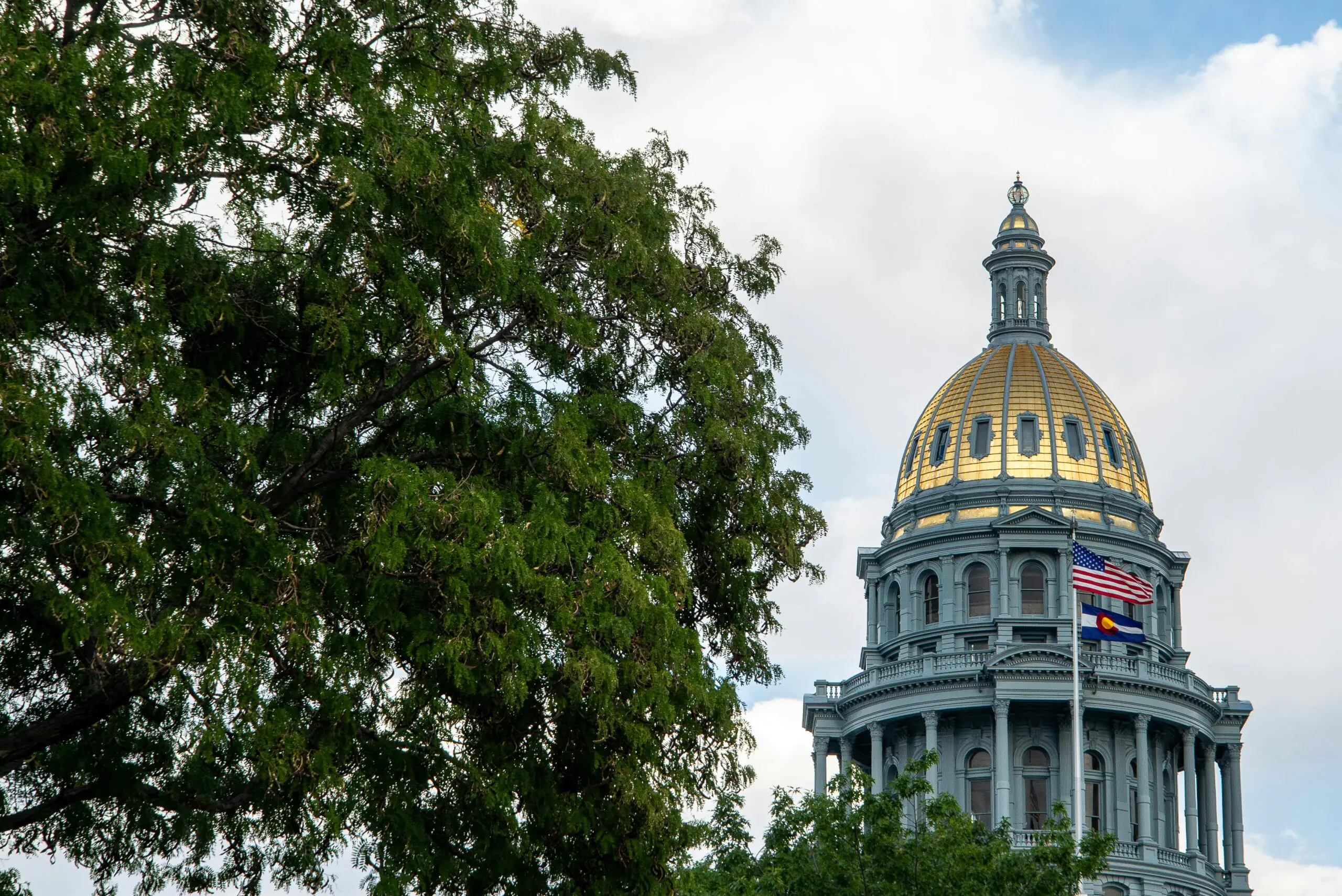
Photo by Andrew Patrick Photo from Pexels
For more of the latest from the expansive government marketplace, check Government Market News daily for new stories, insights and profiles from public sector professionals. Check out our national contracting newsletter here.