

Michigan’s lawmakers have allocated $22.1 million from the recently approved state budget to rehabilitate and add on to Ferris State University’s Allied Health Sciences Building. Along with matching funds from the university, the total cost is estimated at $29.5 million.
The funding supports a project to renovate 67,000 square feet of the facility and expand it by 20,000 square feet. Officials say that updating the 43-year-old facility with the most energy-efficient HVAC and lighting systems will provide substantial savings over the life of the equipment.
Ferris State’s Allied Health program has been operating at capacity and often has waitlists for students enrolling in programs such as nursing, dental hygiene, public health, nuclear medicine technology, diagnostic medical sonography, radiography, medical laboratory sciences, health information technology, health information management and healthcare systems management.
According to the university’s capital outlay proposal, some students seeking admission to the dental hygiene and diagnostic medical sonography programs currently face delays of two to three years because of limited instructional and clinical space. The renovation is intended to increase capacity, modernize laboratories and simulation areas and create larger lecture and collaborative learning spaces.
The project will also update the nursing simulation lab to better reflect modern healthcare settings and support interdisciplinary training among nursing, pharmacy, radiography and medical laboratory science students. In addition, the building’s community dental hygiene clinic, which serves uninsured patients, Medicaid recipients, veterans and other vulnerable populations, will receive upgrades to improve accessibility and patient care.
University officials say the expanded facility will help Ferris produce more graduates for healthcare occupations that continue to face workforce shortages across Michigan. The College of Health Professions enrolls more than 1,300 students, and the university says 92% of its graduates remain in Michigan after graduation, helping meet healthcare staffing needs in both rural and urban communities.
The project is expected to take about two years to complete and is designed to expand training capacity in healthcare programs that continue to face workforce shortages across Michigan.
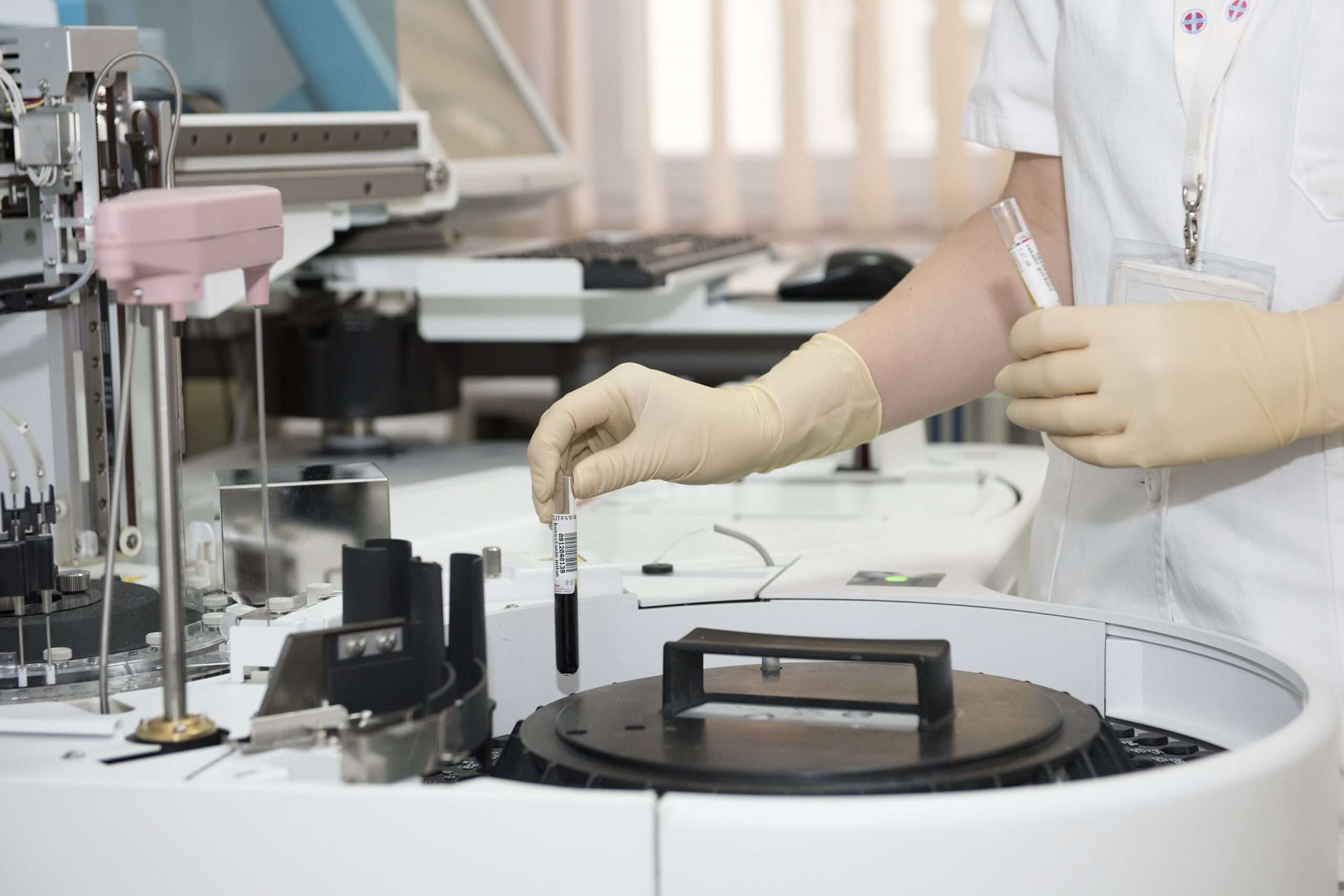
Photo by Darko Stojanovic from Pixabay
For more of the latest from the expansive government marketplace, check Government Market News daily for new stories, insights and profiles from public sector professionals. Check out our national contracting newsletter here.