


The federal government has unveiled a trove of new funding designed to reimburse states for maintaining infrastructure and services related to federal lands. Earlier this month, the U.S. Department of the Interior (DOI) announced this year’s distribution of $733 million through the Payments in Lieu of Taxes (PILT) Program.
The program recognizes that communities containing large amounts of federal land still must provide services such as firefighting, law enforcement and road maintenance even though those lands are exempt from local property taxes. Since the program began in 1977, Interior has distributed $13.4 billion to counties and other local governments that contain federal lands that are not subject to local property taxes.
The program provides payments to nearly all 50 states, as well as the District of Columbia, Puerto Rico, Guam and the U.S. Virgin Islands. Payments are calculated using a formula that considers population, the amount of federal land within a county and certain revenue-sharing payments.
Eligible federal lands include areas such as national parks and lands managed by the U.S. Forest Service and the Bureau of Land Management. PILT payments are separate from other federal revenue-sharing programs tied to activities such as oil and gas leasing or timber harvesting.
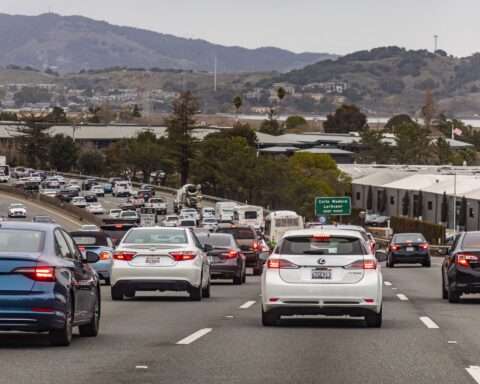
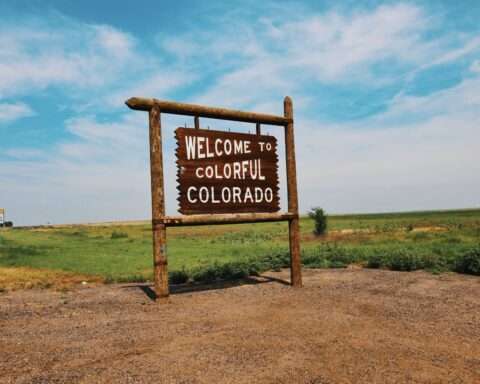
States with large amounts of federal land often receive larger PILT payments. California received $79.9 million this year, followed by New Mexico with $55.9 million. Colorado, Utah and Montana each received more than $53 million.
PILT payments are required by law and are intended to reduce the financial impact federal lands can have on a state or local government’s ability to collect property taxes.
Photo by Michael Quinn Grand Canyon National Park, CC BY 2.0 https://creativecommons.org/licenses/by/2.0, from Wikimedia Commons
For more of the latest from the expansive government marketplace, check Government Market News daily for new stories, insights and profiles from public sector professionals. Check out our national contracting newsletter here.