

The State of Michigan has announced an $89 million investment to clean up critical rivers and waterways in a joint initiative between the Michigan Department of Environment, Great Lakes and Energy (EGLE) and the Michigan Department of Natural Resources (DNR).
Reclaim the Rivers will provide targeted funding to address contamination in the Detroit River, Kalamazoo River and other waterways located in Michigan. Projects selected for the initiative will use funding to address pollution, revive healthy fish and wildlife populations and support habitat restoration.
The funding will be divided up across three primary investment categories:
- $50 million to remove polychlorinated biphenyls (PCBs) from the Detroit River.
- $25 million for restoration projects in the Kalamazoo River watershed.
- $14 million for various other statewide river restoration initiatives.
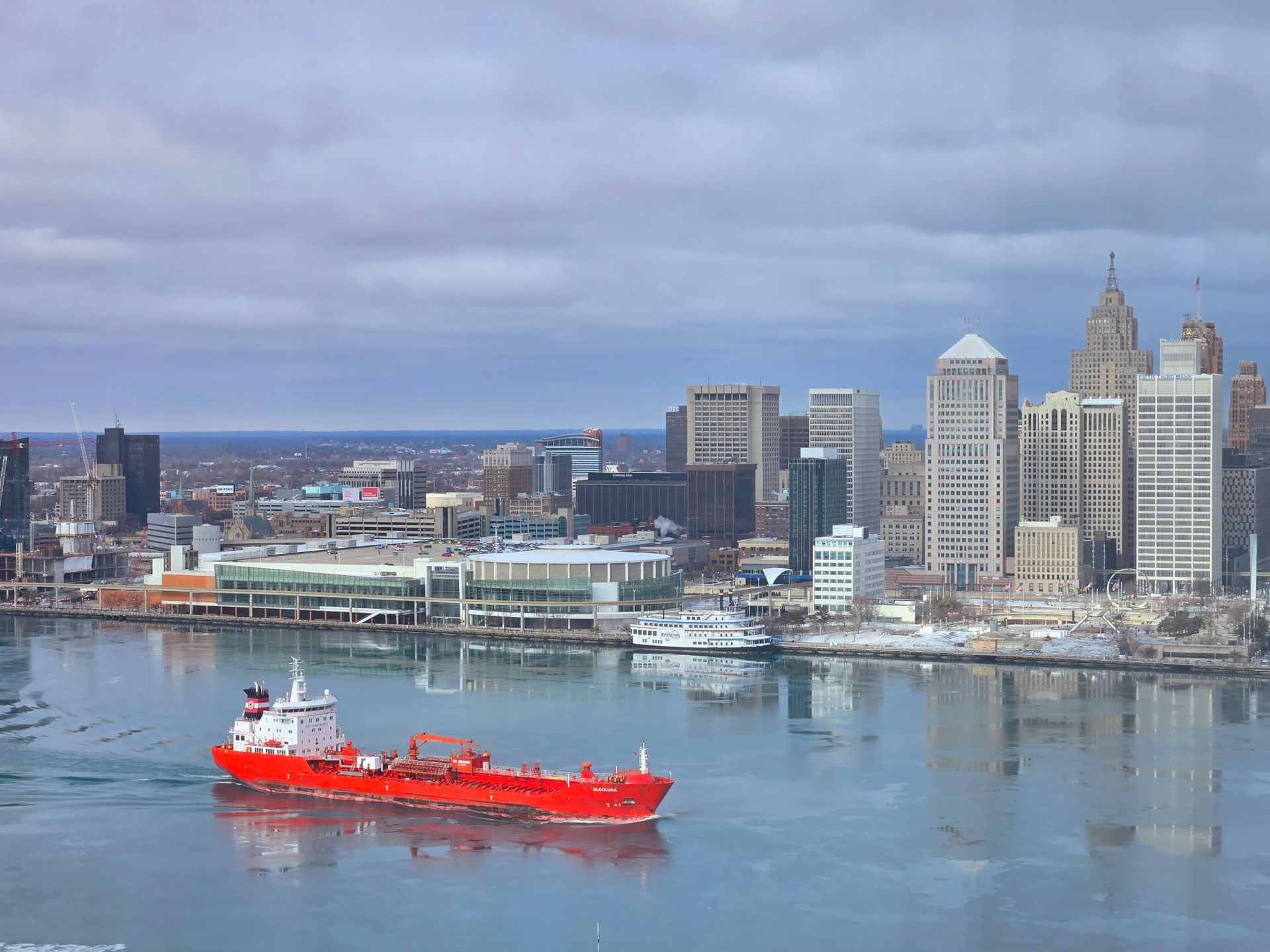
The $50 million dedicated for Detroit River recovery and restoration will predominantly support PCB clean up. In addition to restoring the environment, cleanup will help attract new public and private funding to expand recreation and public access to the waterway. Priority projects will include:
- Sediment cleanup.
- Restoring fish and wildlife habitats.
- Expanding boating access.
- Improving Bell Isle and other public lands.
- Completing gaps in the Iron Belle Trail.
In a similar note, the $25 million slated for the Kalamazoo Watershed will enable recipients to implement various sediment, habitat and riverfront projects. These include planned dam removals, stream restoration, boating access expansion, land protection and fishery strengthening.
The remaining $14 million will go toward restoration projects across the state. These will typically consist of dam removal, stream and wetland restoration, fish and wildlife habitat enhancements and supporting efforts to reduce fish consumption advisories.
Over the course of several decades, Michigan has contended with disproportionate environmental contamination affecting its major waterways. PCBs represent a fraction of the chemicals that have been introduced to Michigan bodies of water since the mid-20th Century, as other chlorinated hydrocarbon byproducts, pesticides and various toxic compounds have been introduced over time. EGLE updated its list of PCB Total Maximum Daily Load (TMDL) impaired waterways in 2026 to include roughly 70 new contaminated sites alone.
These rivers serve as the lifeblood for some of the state’s most populated communities – with the Detroit and Kalamazoo rivers serving as economic and environmental cornerstones. However, decades of industrial contamination have severely impacted the health and safety of these essential waterways.
Reclaim the Rivers will take a significant step in emboldening ongoing recovery and restoration efforts. Projects will address pollutants – including PCBs, polycyclic aromatic hydrocarbons (PAHs), mercury and more – while restoring habitat, improving waterfronts, expanding boating and fishing access and enhancing parks and trails.
Photo by Kevin Early from Pexels
For more of the latest from the expansive government marketplace, check Government Market News daily for new stories, insights and profiles from public sector professionals. Check out our national contracting newsletter here.