


The Federal Aviation Administration (FAA) is seeking public and industry feedback to inform future investments in spaceport development and airspace access for spaceflights. Responses are due within 60 days of the notice’s publication in the Federal Register.
The agency recently released a Request for Information (RFI) revolving around two key issues standing between America and success in the global commercial space transportation industry. The first seeks insight into locations for new spaceport development. The second prioritizes information surrounding how the FAA should allocate priority airspace for critical space-launch routes.
While the U.S. has already established itself as a global pioneer in spaceflight innovation and progress, the FAA endeavors to push the boundaries and usher in an era of space transportation. The agency plans to reach 10,000 launches by 2035 – an ambitious goal requiring new investments in space infrastructure and technologies.
Currently, 83 percent of U.S. launches come from three sites: Cape Canaveral Space Force Station, Kennedy Space Center and Vandenberg Space Force Base. Increasing the number of annual FAA-licensed launches requires more sites to provide capacity for launch and reentry demands. The FAA anticipates making more than 1,000 launches and reentries per year by 2030.
Facilitating that advancement requires more information on funding mechanisms and how to better utilize public-private partnerships (P3) to expand and sustain spaceport development and operations. The questions featured in the RFI will help compile actionable, informative responses to prominent challenges in the space transportation industry. These include:
- What makes a good, new, viable spaceport site. Key factors include safety, geography, access to roads and utilities, ability to launch over open water, limited overflight of other countries, and room for future growth.
- Why some existing commercial spaceports are underused and what the government could do to make them more useful.
- Previously discussed locations, including sites in Florida, Georgia, Puerto Rico and offshore launch platforms, as well as any other possible locations.
- How “critical space launch corridors” in airspace should work. The goal is to support faster, more frequent launches while minimizing disruption to regular air travel and maintaining safety.
Feedback will help guide and inform future space transportation policies and initiatives, aligning with the administration’s efforts to branch out into broader space-centric initiatives. The White House has expressed significant interest in the industry since taking office, most recently publishing an updated National Space Transportation Policy on Aug. 20. Both topics headlining the RFI were included as notable components in that release, further highlighting the federal government’s intent to play a pivotal role in spaceflight innovation and progress.
Achieving 10,000 launches and reentries by 2035 appears to be a recent shift in priorities for the FAA and U.S. Department of Transportation (USDOT). The FAA Aerospace Forecast report published earlier this year only projected up to nearly 500 commercial launches and reentries by 2035.
The increased focus on space operations reflects a driving impulse for cutting-edge development and market domination. The federal government has placed heavy insistence on leveraging P3s to make breakthroughs in associated space development, leaning on the private sector to unlock new advancements in spacefaring technology and infrastructure.
Resulting efforts to modernize existing or build new spaceports would likely require billions of dollars in investment. The FAA is still developing feasible funding solutions to fund these projects, building off industry expertise to refine and streamline the space operations and develpment process.
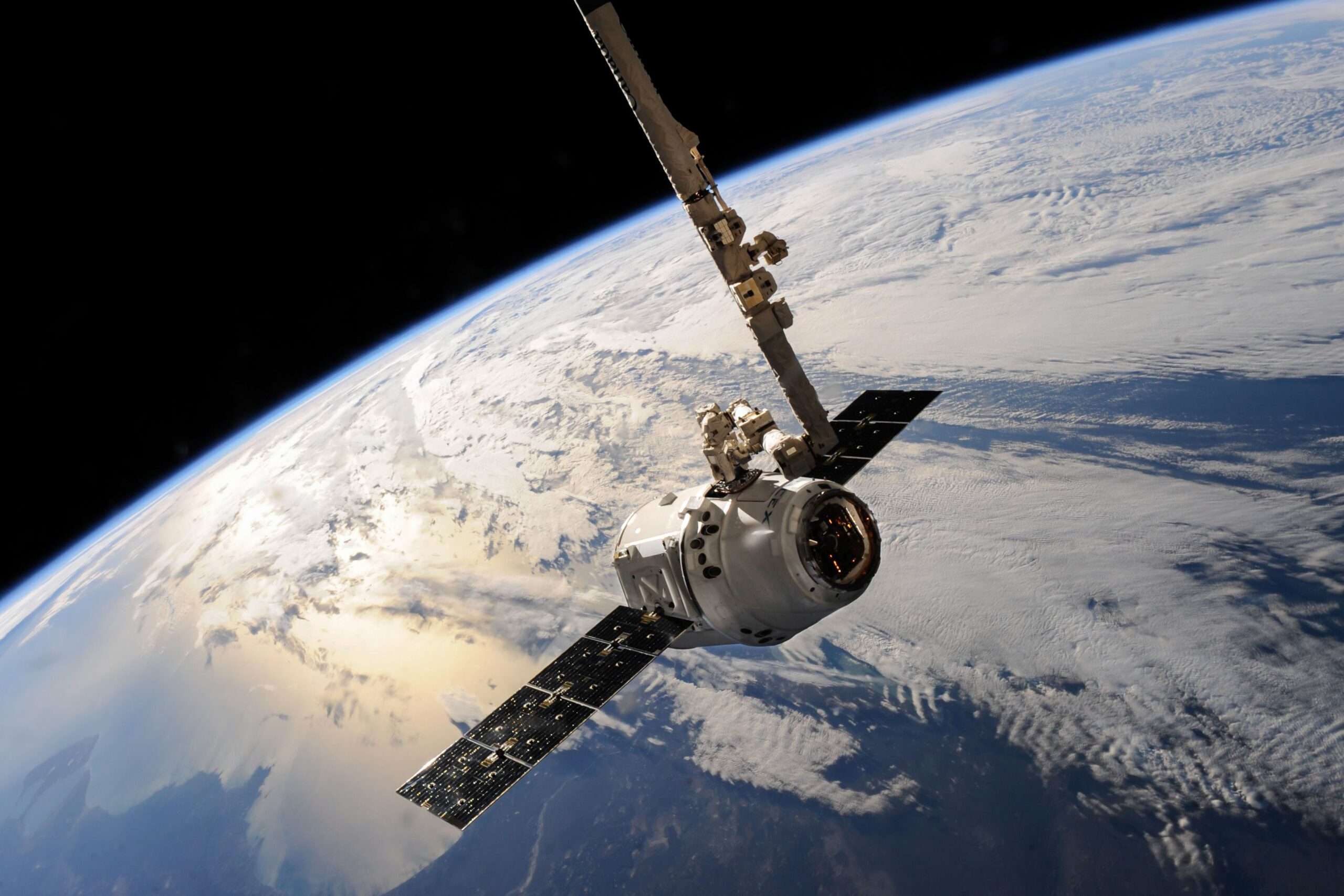
Photo by SpaceX from Pexels
For more of the latest from the expansive government marketplace, check Government Market News daily for new stories, insights and profiles from public sector professionals. Check out our national contracting newsletter here.