

Tulsa city officials have cleared a major procedural hurdle to begin spending $47 million in voter-approved housing funds, opening the door to a significant expansion of below-market homes as the city works to address longstanding affordability challenges.
Voters approved $75 million for housing initiatives as part of the Improve Our Tulsa 3 sales tax package in 2023, but the funding remained unavailable while city leaders finalized a plan for how the money would be distributed. The city has now signed an agreement allowing $47 million of those funds to move forward through the Tulsa Housing Impact Fund (THIF), with the Housing Partnership Network managing administration.
The $47 million represents the portion of Tulsa’s $75 million voter-approved housing allocation that will be administered through the impact fund. These dollars will support several programs, including housing grants, investment financing, site acquisition and preservation initiatives. The remaining funds are reserved for infrastructure and administrative costs.
The THIF is structured as a public-private financing pool that combines city housing dollars with investment from philanthropic and private partners. Through the fund, loans and other financing tools can be used to attract additional capital and support new housing developments across the city. Officials say they have already secured roughly $30 million in private commitments.
City leaders say the initiative supports Tulsa’s broader housing strategy, which calls for bringing 6,000 new affordable housing units online by 2028. The impact fund is expected to help accelerate both the construction of new housing and the preservation of existing units.
The funding comes at a critical time for Tulsa. Housing studies have estimated the city faces a shortage of roughly 13,000 housing units, a gap that has strained affordability and limited options for many residents. Rising housing costs in recent years have put additional pressure on working families and the local workforce.
Construction could begin as early as this summer or fall. In the coming months, the Housing Partnership Network and city officials will finalize loan structures and program conditions before opening applications to developers. The organization will host a developer education session March 19 with more details on how to apply for funding.
The agreement represents a key milestone as Tulsa moves from planning to implementation in its effort to expand the city’s housing supply. Officials say leveraging public funding alongside private investment is expected to help stretch the initial allocation and support a larger number of housing projects over time.
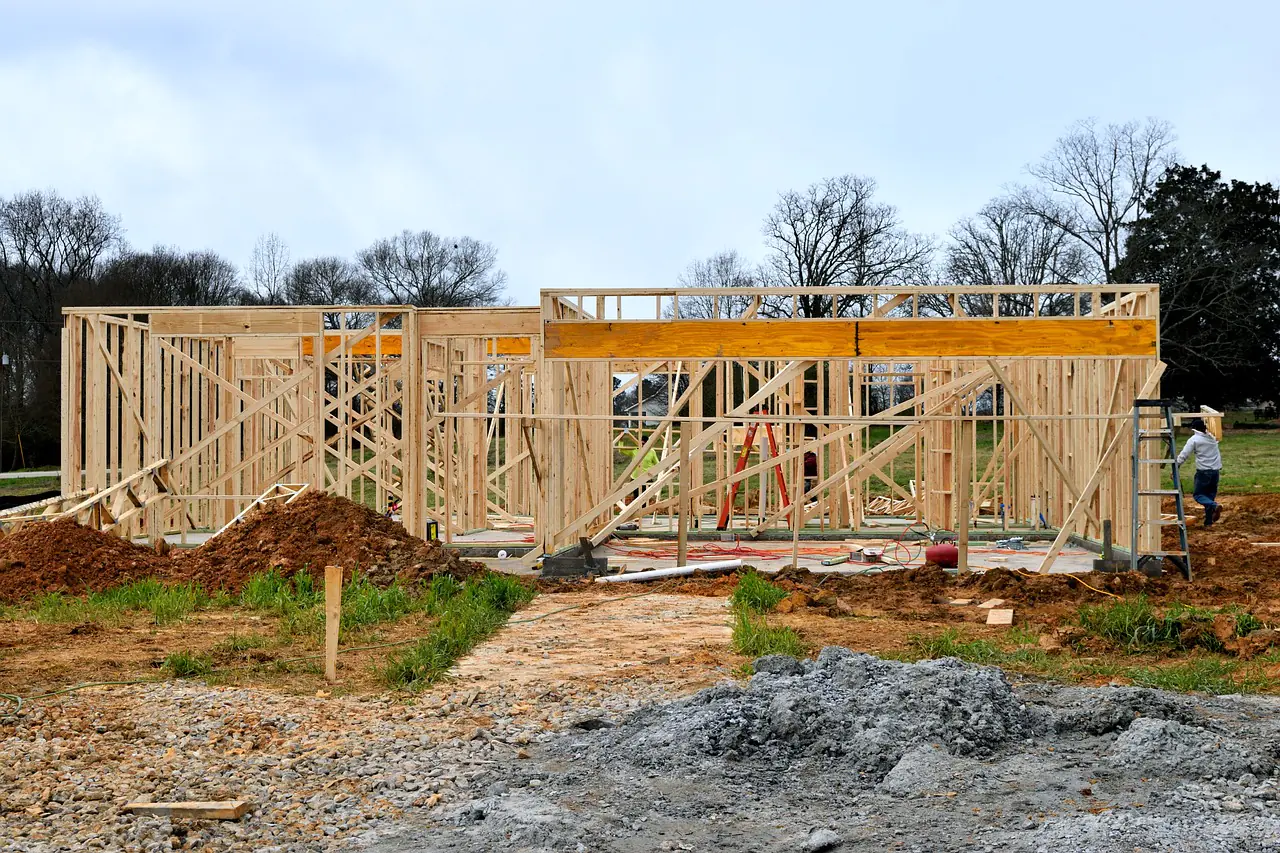
Image by Paul Brennan from Pixabay
For more of the latest from the expansive government marketplace, check Government Market News daily for new stories, insights and profiles from public sector professionals. Check out our national contracting newsletter here.