

The city of Tucson and Tucson Electric Power (TEP) have drafted an Energy Collaboration Agreement (ECA), marking a significant milestone in progressing the city’s clean energy initiatives.
The ECA would provide a collaborative framework targeting shared priorities in energy reliability, affordability, resilience, workforce development and long-term community engagement over the next 25 years. The agreement is now available for public review and feedback before it can be finalized. Should it be implemented, the ECA would help:
- Efficiently coordinate planning and infrastructure work.
- Reduce unnecessary costs and disruptions.
- Enhance communication and transparency.
- Support economic development and neighborhood well-being.
With both Tucson and TEP serving the same communities, the organizations determined the optimal way to advance clean energy goals and combat climate change was through a defined structure prioritizing collaboration, coordination and communication. TEP would contribute $2 million annually to the city throughout the agreement’s 25-year duration, increasing by 2% every other year. The utility company would ultimately end up paying $56.2 million in total to support the clean energy efforts.
The energy landscape is in constant flux, requiring both the city and utility provider to adapt alongside the advent of new technologies, changing regulations and communication expectations. To account for evolving needs, both the city and TEP would review the agreement at least biannually and revise it as needed.
To accomplish these goals, the ECA would center on six priority areas:
- Support policies that promote cost-effective construction and maintenance of TEP’s local energy grid, building toward reliable and affordable energy.
- Strengthen community resilience measures for extreme heat and weather events.
- Promote practical, cost-effective clean energy solutions that lead to long-term sustainability.
- Ensure that energy programs and assistance resources are accessible to all.
- Support paths to energy-related careers and future workforce needs, providing ample economic opportunity.
- Prioritize transparency and accountability through regular updates on progress and collaboration efforts toward shared goals.
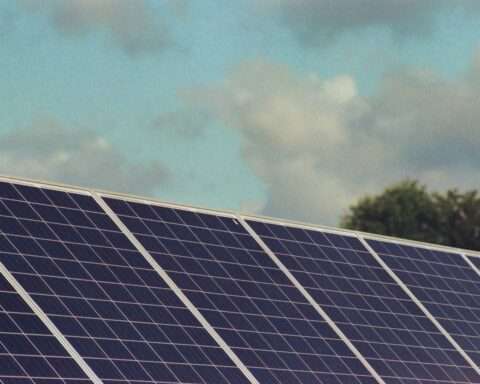
The agreement includes several potential actions would advance and achieve the organizations’ mutual energy goals. These include efforts to reduce greenhouse gas emissions (GHG) by expanding the use of distributed energy resources including rooftop, business and utility scale solar projects, battery energy storage systems (BESS) and microgrid community resiliency hubs. Additional plans would include expanding electric vehicle (EV) infrastructure, increase fleet electrification and exploring emerging clean energy technologies among other solutions.
To better support vulnerable communities and increase resiliency, both parties would invest in creating an inventory of critical municipal infrastructure and establishing resilience hubs with solar and BESS technologies at select locations. Additional measures would include creating cooling centers, shade structures, tree canopy expansion and prioritizing ongoing emergency preparedness coordination for climate change-driven extreme weather.
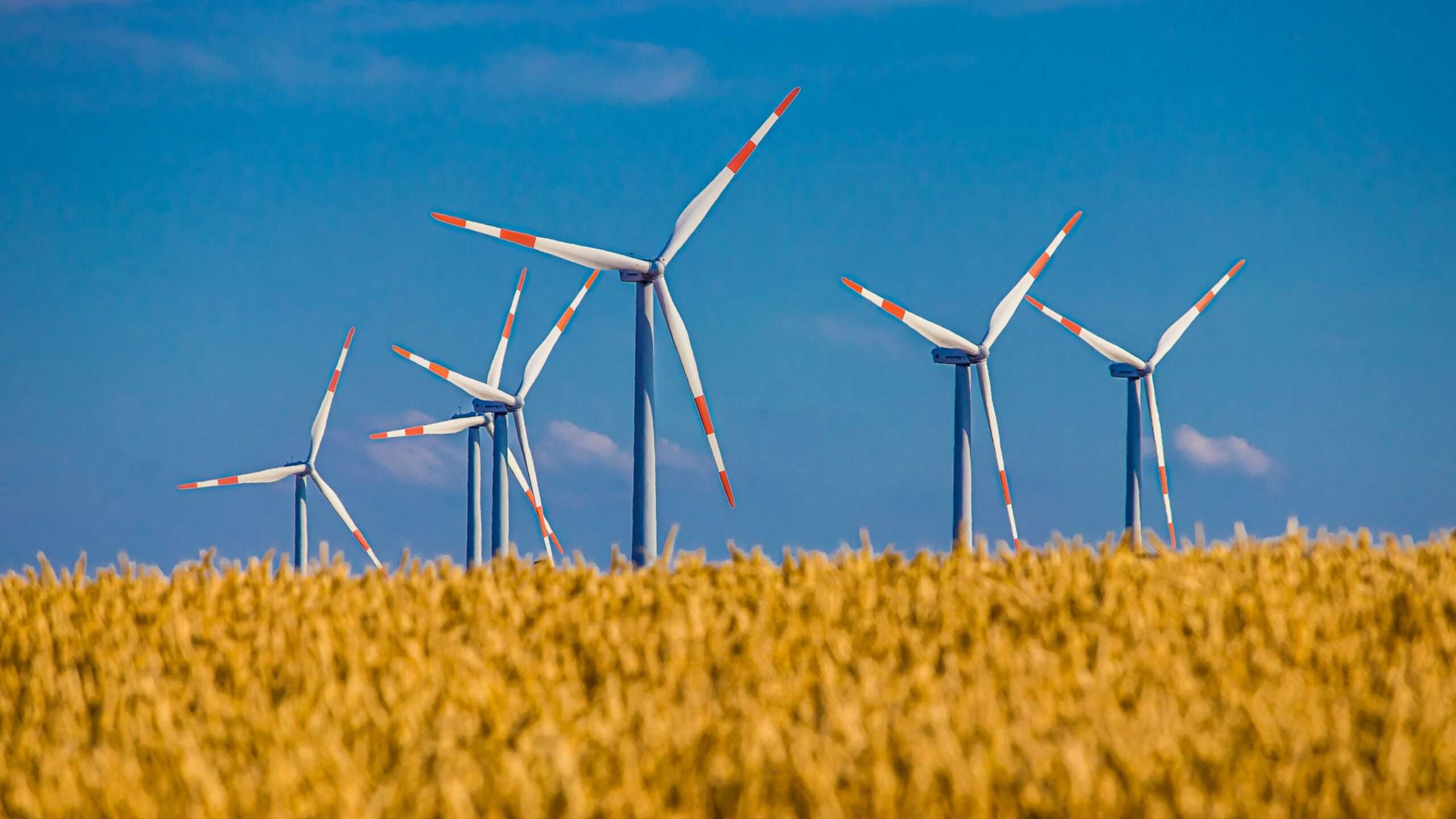
Image by Alexander Droeger from Pixabay
For more of the latest from the expansive government marketplace, check Government Market News daily for new stories, insights and profiles from public sector professionals. Check out our national contracting newsletter here.