

Officials with the Port of Galveston in Texas have released a 2026 update to its port-wide Master Plan, charting a course to build infrastructure and guide growth. The $2.4 billion plan entails several ambitious goals to meet rising demand, including docking seven ships by 2045.
A total of eight long-term goals compose the plan’s foundation, guiding capital investment and strategic direction. These include:
- Reaffirming the port’s role as a driver of economic growth, trade and community benefit.
- Ensuring that future development aligns with the port’s mission and statutory obligations.
- Guiding short- and long-term capital investments over the next decade and beyond.
- Aligning a shared vision among port leadership, stakeholders, Galveston and community partners.
- Strengthening financial capacity, operational resilience and long-term sustainability.
- Establishing a clear framework for future planning, permitting, funding and infrastructure decision-making.
- Unlocking long-term development potential.
- Maintaining compliance with federal, state and city regulatory requirements.
The port has an extensive amount of work before it to achieve its objectives by 2045, centering its focus on four geographic areas: West Port, Mid Port, East Port and Pelican Island. The plan outlines the need to balance port investments through a diversified portfolio while investing in critical development, especially on Pelican Island.
Additional focuses will include parallel and external infrastructure investments, including roadway, bridge, rail, regional access improvements and potentially more connections between Interstate 45 and port facilities. The port will further supplement these initiatives by modernizing policies, operations and infrastructure to emphasizing resilience.
Pelican Island is slated for massive expansion, with the port planning to add more than 100+ acres for shipyard and liquified natural gas (LNG) fueling in the short-term vision. Long-term planning includes various infrastructure projects such as:
- Bridge improvements.
- A general cargo terminal.
- Expanding areas to support opportunities in Gulf Coast production, emerging markets and advanced manufacturing.
Likewise, Galveston Island has its own round of projects slated for the next two decades, chief of which is the construction of three new cargo berths and additional parking lots. The port also plans to repair and replace bulkheads, add 160 to 170 acres for terminals, install a centralized gate, on-dock rail access, consolidate existing rail yards, build warehousing to serve general cargos and allow for flexible lot configuration.
The port will also make accommodations for commercial development. Cruise growth is projected to generate ample demand for retail, hotel and multifamily rental spaces in the coming years. New facilities will be needed to meet the demand, including adding up to 600,000 square feet of retail space by 2040. Other associated initiatives will include:
- Urban development, parks and pedestrian access and walkways across the waterfront.
- Between one to two limited-service hotels.
- One full-service hotel.
- Adding between 200 and 300 multifamily units every 3-5 years.
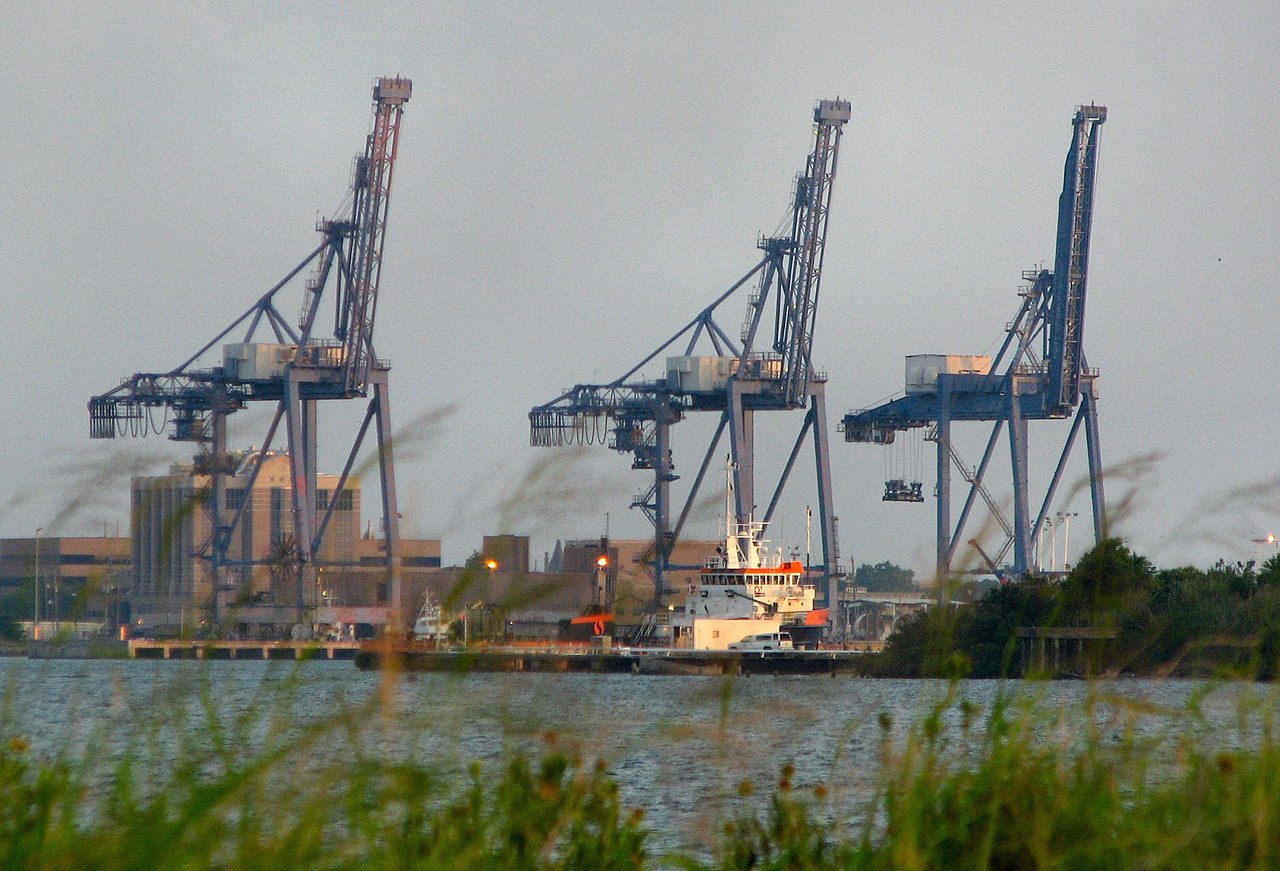
Photo by Nsaum75 at English Wikipedia, CC BY-SA 3.0 <http://creativecommons.org/licenses/by-sa/3.0/>, from Wikimedia Commons
This story is a part of the weekly Texas Government Insider digital news publication. See more of the latest Texas government news here. For more national government news, check Government Market News daily for new stories, insights and profiles from public sector professionals.