

The U.S. Department of Energy (DOE) is inviting state, local and Tribal governments to apply for the 2026 Waste to Energy and Materials Technical Assistance Program, providing technical assistance to turn waste into useful resources. The program provides no-cost support in converting waste streams into energy, materials and critical minerals.
The DOE’s Alternative Fuels and Feedstocks Office (AFFO), formerly known as the Bioenergy Technologies Office, and the National Laboratory of the Rockies (NLR) first launched the initiative in 2021 as part of an effort to help officials make informed decisions to develop projects around environmental burdens like food waste, trash or industrial byproducts. While the program does not provide funding, the DOE offers data and case studies on waste resources, along with guidance on infrastructure, planning and economic analysis.
States, counties, municipalities, Tribal governments, entities representing multiple municipalities and entities such as airport authorities or utilities are eligible to apply. Both active projects and early-stage planning efforts are eligible for support.
This year’s program has expanded its scope to assist with additional waste materials. Three types of waste will be addressed:
- Organic wet waste: food waste, wastewater sludge, manure, fats, oils and greases
- Nonrecycled municipal solid waste: paper, cardboard, tires, electronics, metal and plastics
- Industrial waste and byproducts: metallurgical residues, mining wastes and wastewater streams
The DOE says the program is intended to help communities make informed decisions using data and analysis. It also connects federal experts with local governments, often laying the groundwork for projects that later involve private-sector partners.
Past participants include a mix of large cities, counties and state agencies working on a range of waste challenges. For example, Los Angeles, Phoenix and San Antonio have taken part alongside smaller communities such as Eagle County, Colorado, and Butte County, California. State-level entities, including the Connecticut Green Bank and the Alaska Energy Authority, have also participated in evaluating technologies and infrastructure needed to convert waste into energy or materials.
The application window closes on May 30, with selections expected from July to August. Selected communities will receive customized technical guidance based on their resource recovery needs.
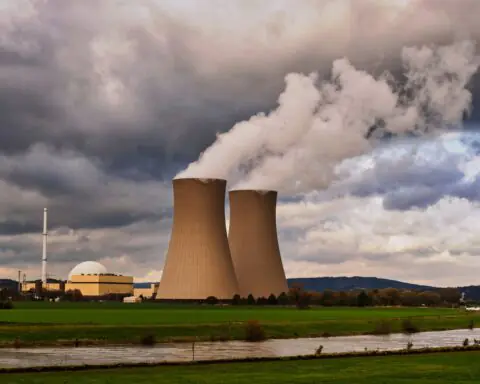
Photo by Anastasiya Badun from Pexels
For more of the latest from the expansive government marketplace, check Government Market News daily for new stories, insights and profiles from public sector professionals. Check out our national contracting newsletter here.