

The University of Texas (UT) Board of Regents has approved Stephen F. Austin (SFA) State University’s strategic plan, campus master plan and a new residence hall, laying the foundations for a decade of physical development and growth.
The campus master plan is a 10-year comprehensive document steering the university’s infrastructure development and expansion. This includes dozens of projects across the SFA campus, each designed to serve the needs of a rapidly growing student body with modern structures and amenities.
For the academic side of construction, SFA will build a science building; art building; facilities services, operations and academic building and renovate the McKibben Building; agriculture building and social work building. Additional work will consist of expanding the Boynton Music Building, the long-term military science and aviation sciences facility and building greenhouses.
The university’s athletics and recreation side will feature several new facilities, including tennis, baseball and softball venues. SFA will build a south operations venue, renovate and build an addition for Johnson Coliseum Norton HPE, Shelton and the student recreation center and build a field services recreation support facility. The plan includes building a loop trail and challenge course, recreation fields for intramural and competitive sports, a fieldhouse building, a football stadium, soccer stadium, indoor practice field and a track and field space.
Additional work to enhance the student experience will include building an auditorium and welcome center, four new student housing developments and renovating the R.W. Steen Library. SFA plans to build three new garages alongside a university police and will execute several transportation initiatives to modify, extend and realign streets and provide more accessibility and parking for campus students, faculty, staff and visitors.
On top of the other areas of focus, SFA will implement several landscape initiatives to beautify and expand greenspace across campus. These projects will target the Wilson Mall, Central Quad, Central Mall Area, Aikman Mall, Austin Plaza and College Mall. Additional work will include extending Raguet Mall, enhancing the Student Center Mall, incorporating open space for Steen, improving the Steen Hall Courtyards, build the Lumberjack Quad and Stadium Plaza and install gateway signage.
The university’s 2026-2036 Strategic Plan was developed in tandem with the campus master plan, aligning their guidance to best support SFA’s academic vision, operational priorities and future physical environment. The strategic plan outlines five pathways for success, featuring measures to help the university achieve each goal for the betterment of the university and its student body. These pathways include:
- Student Experience.
- Academic Programs.
- Research and Creative Activities.
- Innovation.
- Workplace Culture.
For the Student Experience pathway, SFA plans to enhance student recruitment and enrollment and increase financial literacy and aid. Additional strategies include improving student support and retention and enriching campus life and social engagement.
Support for Academic Programs will revolve around three strategies: investing in high-growth programs, elevating career readiness through real-world experiences and fostering cross-program innovation. Strategies to advance the universities Research and Creative Activities will include:
- Promoting a culture of student research and creative achievement.
- Enhancing research infrastructure and faculty support.
- Cultivating interdisciplinary centers of excellent.
- Amplifying visibility and community impact.
SFA’s efforts to elevate the Innovation sector of its priorities will start with partnering with businesses and industries to create new student experiential and service learning opportunities. The university will further capitalize on these efforts by establishing itself as a central hub to address critical needs in the east Texas region and leveraging the economic and population growth within the Texas Triangle.
The final target category – Workplace Culture – revolves around the university’s internal efforts to empower and retain faculty and staff. Measures featured in the plan to achieve these ends include improving employee recognition, enhancing opportunities for professional growth and committing to clear, consistent, transparent communication and institutional shared governance.
Aside from the two plans, the UT System Board of Regents also approved adding the Lumberjack Crossing student housing project to its Capital Improvement Program. Construction is expected to kick off in 2026 on the four-story building. The project will house up to 336 students, featuring double-occupancy rooms with suite-style bathrooms, accessible accommodations, lounge and study spaces, staff offices and student collaboration areas. The 100,000-square-foot building will also include a new chiller and supporting infrastructure for the central plant.
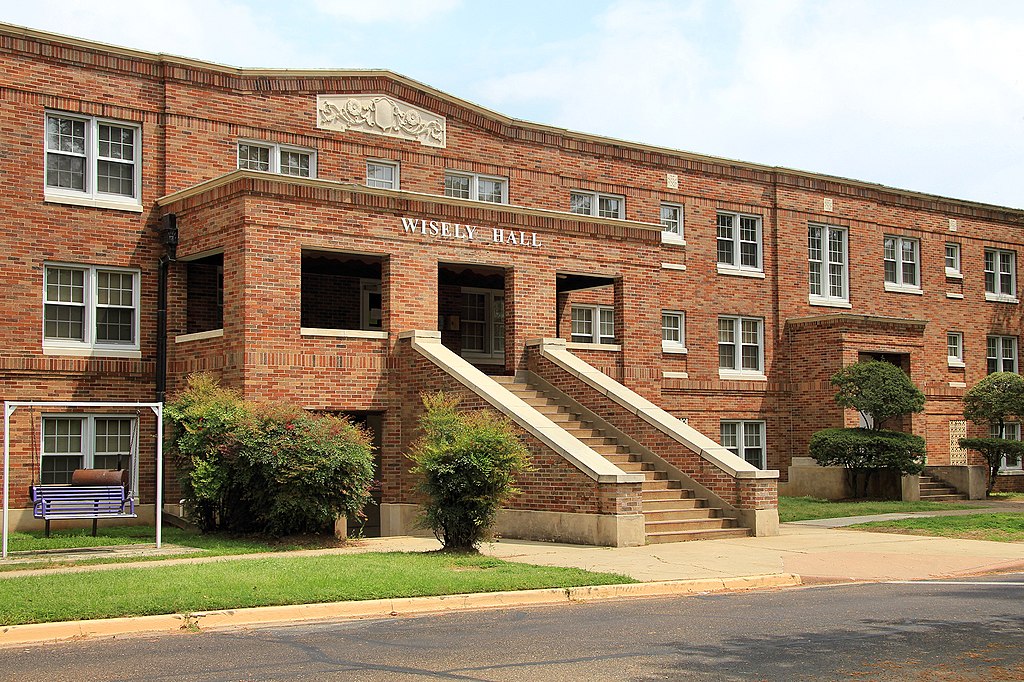
Photo by Larry D. Moore, CC BY 4.0 <https://creativecommons.org/licenses/by/4.0>, from Wikimedia Commons
This story is a part of the weekly Texas Government Insider digital news publication. See more of the latest Texas government news here. For more national government news, check Government Market News daily for new stories, insights and profiles from public sector professionals.