

The South Carolina Department of Environmental Sciences (SCDES) has released its updated State Water Plan, paving the way for reliable, secure water resources over the next five decades.
Gov. Henry McMaster issued an executive order in 2024 initiating development on the South Carolina State Water Plan. The WaterSC Water Resources Working Group (WaterSC) was established that same year to unify stakeholders and provide input on the water plan, collaborating with state agencies to ensure the long-term security of critical water resources. SCDES collaborated with Water SC alongside River Basin Councils (RBCs) to build the plan, accounting for projected population growth and future challenges to energy supplies, agriculture needs, ecosystem health and economic development.
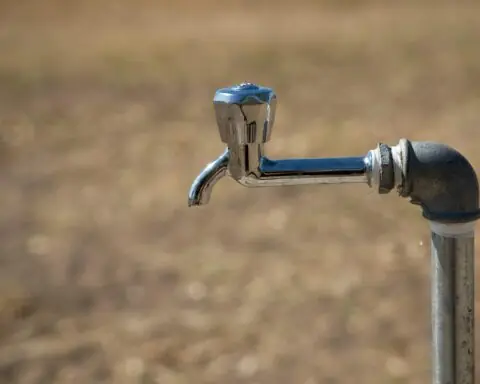
These three entities provided recommendations to carve out a sustainable, long-term action plan to guide policy, preserve existing resources, combat drought conditions and encourage equal access for all residents to essential water sources. While the state currently has ample water supplies, officials anticipate that by 2070 that booming populations and changing weather conditions will lead to shortages.
SCDES included a roadmap to build an adaptive system for water management and update water policies, building off recommendations provided by WaterSC and RBCs. Notably, the updated policy framework would integrate management of groundwater and surface water sources, which have historically been regulated separately. The framework will also prioritize beneficial water usage while safeguarding natural systems and institute flexibility in response to major weather events and environmental conditions.
Informed by its collaborators, SCDES listed five priorities for future water planning and conservation efforts:
- Supporting continuous water planning alongside patterns to refine basin plans, align priorities and track progress.
- Expanding education and outreach across public events, media, social platforms, schools and legislative engagement to improve public understanding of water usage and conservation.
- Improving data and modeling technologies to inform decision-making processes.
- Implementing broader planning considerations to ensure future updates better connect water quantity with water quality, ecology and community resilience.
- Ensuring that there is ample stable funding for implementation.
WaterSC opted for largely collaborative approaches to answer future water crises. Water planning will play an essential role in the state’s ongoing efforts to dynamically adapt to new conditions. The group called for the Legislature to sustain funding for ongoing river basin planning, statewide data collection, model updates and research and implementation grants. The state should also continue coordinating with neighboring states to share critical data, jointly monitor ecosystems and conduct regional planning.
Special attention should be paid to strengthening the state’s drought response systems and supporting water resource reuse, implementing new measures to reinforce water resiliency and bolster water availability. To further guide these efforts, WaterSC recommends the state periodically review water permitting processes to ensure the healthy and responsible management of available resources. Additional efforts should be made to improve and expand statewide water education prioritizing efficiency, conservation and responsible use.
RBC recommendations touch on similar notes to WaterSC, with particular focus on improving drought readiness. The councils detailed plans calling for:
- Updating drought plans every five years.
- Adding drought surcharges.
- Coordinating messaging across utilities.
- Encouraging citizens to report drought impacts.
- Building a statewide environmental monitoring network.
- Discouraging pricing structures that reward higher water use.
Data will play an essential role in ensuring the state is prepared to manage water resources for the long-term. This includes prioritizing real-time data and improved forecasting tools to connect water quality and quantity, taking measures to integrate water quality into future plans. Additional measures include establishing climate-informed modeling and a refined groundwater model; executing studies on sedimentation, low-flow pinch points and water reuse; and building more weather stations, climate sensors and streamflow gages.
The RBCs note that, while the current planning process for water management works, it should be improved for long-term sustainability. Changes to strengthen the planning process revolve around four points:
- Keep membership representative.
- Create a statewide RBC network.
- Plan long-term funding.
- Invest in public outreach and education.
RBC officials stress the need to update water laws and policies. Recommendations include applying reasonable-use standards to all large surface water withdrawals, reviewing old permits and registrations, creating recurring funding for implementation and tying new permits to basin plans.
Photo by Bl∡ke from Pexels
For more of the latest from the expansive government marketplace, check Government Market News daily for new stories, insights and profiles from public sector professionals. Check out our national contracting newsletter here.