


Officials with the Mountain Regional Water Special Service District in Park City, Utah, are planning a roughly $50 million expansion of the Signal Hill water treatment plant, backed in part by $38 million in federal financing from the U.S. Environmental Protection Agency.
The EPA’s allocation for the project comes from the Water Infrastructure Finance and Innovation Act (WIFIA) loan and grant program, which funds water and wastewater infrastructure projects nationwide. In addition to federal funding, Summit County authorized up to $43 million in revenue bonds last year to support the project. Officials say the upgrades will help accommodate population growth and the influx of visitors to the area’s three Olympic ski venues, which are expected to host events again during the 2034 Winter Olympics.
The project will increase treatment capacity from about 2.6 million gallons per day to roughly 5.5 million gallons per day, enough to meet water demand equivalent to about 24,000 residents. Work will include expanding treatment processes and related infrastructure at the Signal Hill facility. Construction is expected to begin in late 2026 and wrap up around 2028.
When the plant was built about a decade ago, it was intended primarily as a backup supply capable of serving roughly 3,000 customers during shortages. District officials say rapid growth in the Park City area has turned what was once considered a last-resort facility into an integral part of the region’s water system.
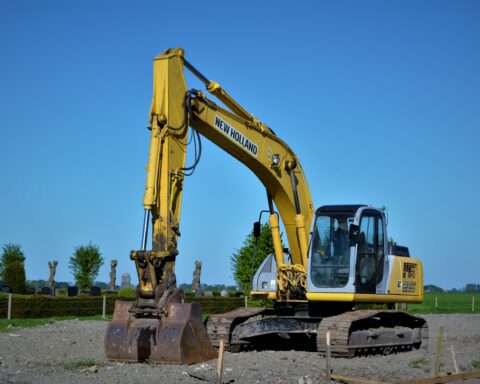
Image by u_nnjglrk13q from Pixabay
For more of the latest from the expansive government marketplace, check Government Market News daily for new stories, insights and profiles from public sector professionals. Check out our national contracting newsletter here.