


The Interstate Bridge Replacement (IBR) Program – a landmark project to replace an aging, critical connection point along Interstate 5 between Oregon and Washington – has revealed a preliminary $13.6 billion price tag. The cost represents a huge jump from the projects previous estimate in January 2023, covering a 126% increase from the original $6 billion estimate. Construction is expected to begin later this year.
While the updated price tag represents a startling jump in the project’s overall cost, the bi-state oversight committee has not yet officially released their official report on the project. The committee has stressed that the final cost for the replacement bridge has not yet been finalized and is subject to change. The $13.6 billion estimation was sourced through a public records request from the state.
The replacement bridge will be designed as a modern, seismic-resistant structure that will offer enhanced, reliable mobility across state lines. The existing bridge is replete with outdated elements, including narrow lanes, a lack of safety shoulders and poor sight lines, leading to an increase in crashes and unsafe driving conditions. The primary challenges facing the five-mile corridor:
- Congestion.
- Safety.
- Earthquake vulnerability.
- Impaired freight movement.
- Inadequate bicycle and pedestrian pathways.
- Limited public transportation.
The replacement bridge will be a fixed-span bridge of 116 feet vertical navigation clearance, effectively replacing the Columbia River and North Portland Harbor bridges. The bridge will feature three through lanes and at least one auxiliary lane in each direction. Plans include incorporating safety shoulders to increase safety and reliability.
Additional design features will include the addition of a safe, wide shared-use path for non-motorized travelers and the implementation of bus-on-shoulder service for transit users. The states will also work to extend the light rail from Portland Expo Center to Vancouver’s Evergreen Boulevard, add three transit stations, link regional transit systems and develop new public transit options.
The project vision calls for the inclusion of a new arterial bridge from Hayden Island to Marine Drive, providing local access to the islands. Finally, the states will modify seven interchanges within five miles and make nearby improvements to enhance local connectivity.
The IBR Program submitted a Navigation Impact Report to the U.S. Coast Guard after signing agreements with the four river users that will be most affected by the project. Approval of the report would put the project one step closer to obtaining a bridge clearance permit and beginning construction.
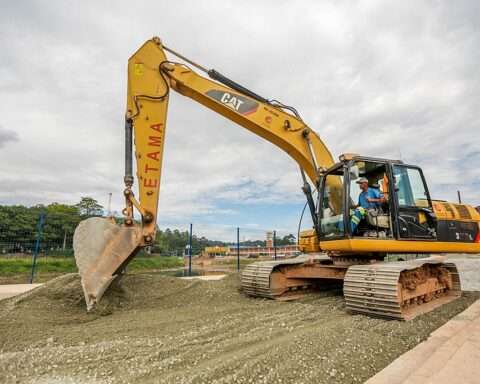
Photo by Brett Sayles from Pexels
This story is a part of the weekly Government Contracting Pipeline digital news publication. See more of the latest government contracting news here. For more national government news, check Government Market News daily for new stories, insights and profiles from public sector professionals.