

The University of Missouri (MU) has advanced an initiative to build an over $1 billion nuclear research reactor – NextGen University of Missouri Research Reactor (MURR) – after forging a major $2.3 million consulting agreement for the design and licenses phases.
The new contractor will join the NextGen MURR Consortium – a public-private partnership (P3) group dedicated to bringing the project vision to life. Noted as the largest capital project in the university’s history, the 20-megawatt (Mw) research reactor will expand MU’s capacity and capabilities in its ongoing fight against cancer.
The reactor will build on MU’s existing research reactor, which functions as the nation’s sole producer of several medical isotopes used in cancer treatments. To date, the university has already secured $200 million for the new facility, supported by dedicated funding through the state budget.
As the newest member of the consortium, the contractor will oversee deliverables and advise on project schedule, budget performance, risk and aid to achieve regulatory milestones. The team anticipates receiving full approval for its construction documents from the Nuclear Regulatory Commission in the near future.
The consortium anticipates moving forward with the construction phase soon after receiving the green light for its construction permit. The NextGen MURR project represents a significant leap forward in MU’s efforts to break fresh ground in the cancer research and treatment sector. With the significant expansion to university research capabilities, officials anticipate that the reactor will pioneer life-saving breakthroughs and produce essential resources needed to facilitate recovery from cancer.
Private companies will have the opportunity to collaborate with the consortium once a construction contract is set out for bidding. When the project was first gaining traction in 2023, MU officials speculated that it would take between eight and 10 years to complete. Once completed, the reactor will serve as a hub for nuclear science and medicine innovation for the foreseeable future, enabling research and treatment for more than a dozen cancers.
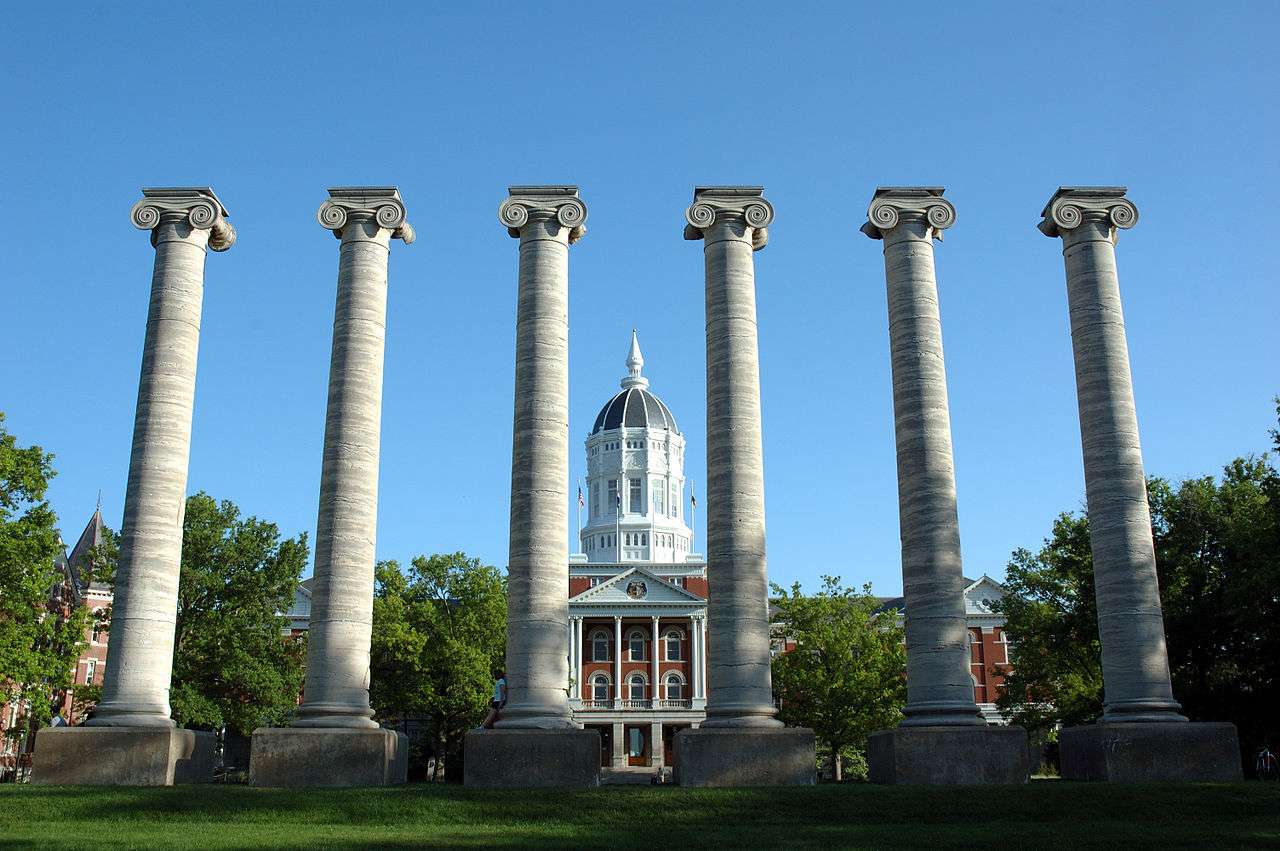
Photo by AdamProcter, CC BY 3.0 https://creativecommons.org/licenses/by/3.0, from Wikimedia Commons
For more of the latest from the expansive government marketplace, check Government Market News daily for new stories, insights and profiles from public sector professionals. Check out our national contracting newsletter here.